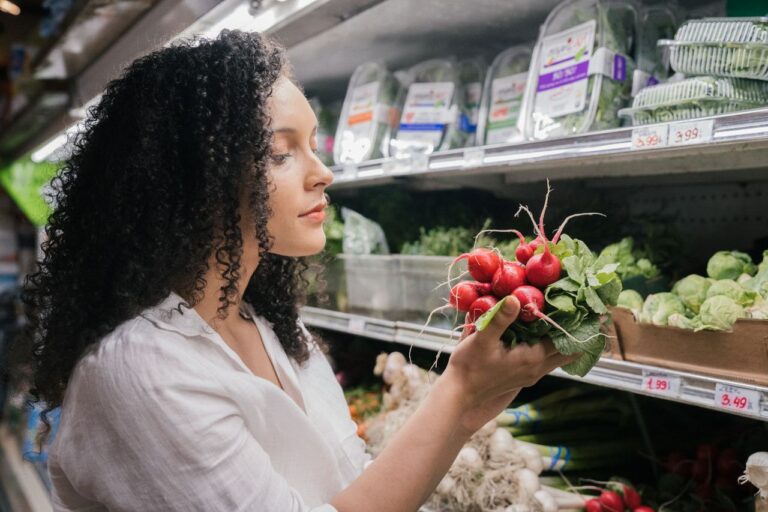
With grocery bills still high, fuel taking a bigger bite out of household budgets, and worries about supply problems making headlines, some families are paying closer attention to what they keep in their pantries.
Tensions involving Iran have added to those concerns, particularly around energy prices and the cost of transporting goods. If fuel becomes more expensive, businesses may eventually pass some of those costs along through higher prices on groceries and everyday household products.
This doesn’t mean people are emptying store shelves or buying months’ worth of supplies. For many, it simply means picking up an extra bag of rice, another bottle of cooking oil, or a few more household necessities during their usual shopping trips.
Having a small reserve at home can come in handy if prices rise again or a product becomes difficult to find. Here are some of the items people are adding to their shopping lists.
Rice and Beans
Rice and beans are affordable, filling, and easy to keep in the pantry for months. A few bags of rice and packages of dried or canned beans can provide the base for several meals, especially on days when fresh ingredients are running low.
Related: 7 Things Many Goodwill Shoppers Get Completely Wrong
Flour, Sugar, and Baking Staples
Flour, sugar, pancake mix, baking powder, and syrup are useful pantry items for anyone who cooks or bakes at home. They can go into breakfast, homemade bread, desserts, and plenty of everyday recipes.
People who bake regularly might find it helpful to pick up an extra bag of flour or container of sugar during a routine grocery trip. Having these basics on hand also means fewer trips to the store when you want to make something from scratch.
Related: The Thrift Store Section Most Shoppers Walk Right Past
Coffee
Coffee might not be the first thing people think of when putting together an emergency pantry, but regular coffee drinkers know how unpleasant it can be to run out. With coffee prices already putting pressure on shoppers, some are buying an extra bag or keeping instant coffee as a backup.
Reddit users have also brought up coffee as one of the everyday items they don’t want to be without. If you drink it every morning, keeping an extra container in the cupboard can save you from paying a higher price later.
Related: Has Goodwill Lost Its Way? Shoppers Are Questioning the Rising Prices
Pasta and Tomato Products
Pasta is one of those pantry foods that makes it easy to put dinner together without much planning. A few boxes can last a long time, and canned tomatoes, tomato paste, and pasta sauce give you several ways to prepare a meal.
These ingredients also pair well with rice, canned vegetables, and other pantry staples. They’re handy to have around during weeks when you’re trying to use what you already have instead of making another trip to the grocery store.
Related: 14 Grocery Items Shoppers Are Giving Up Because Prices Are Too High
Cooking Oils and Fats
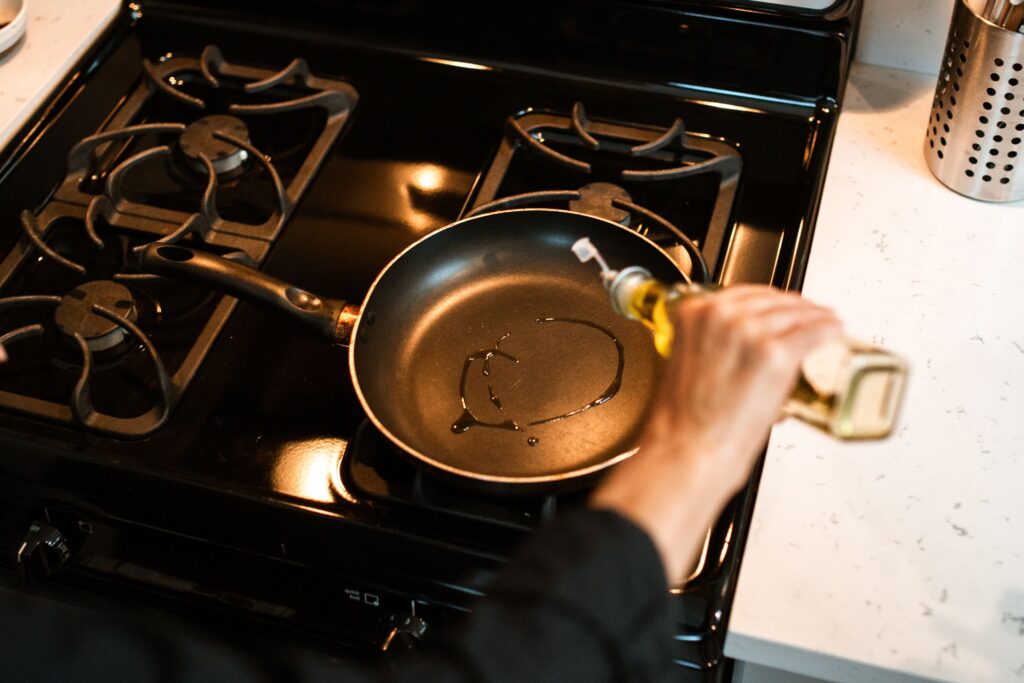
Cooking oil is easy to forget about until you’re halfway through preparing dinner and realize the bottle is nearly empty. Vegetable oil, olive oil, shortening, and lard all have uses in everyday cooking, from frying and baking to preparing dressings and sauces.
Some shoppers are picking up an extra bottle while prices are manageable, particularly if they use oil regularly. Just keep your purchases within reason, since cooking oils can lose their freshness if they sit around too long.
Related: 14 Odd, But Useful Olive Oil Hacks That Actually Work
Shelf-Stable Protein
Meat can take up a large part of the grocery budget, especially when prices are high. Canned tuna, chicken, and salmon, along with peanut butter, offer protein options that can sit in the pantry without taking up freezer space.
These products are also useful for quick lunches, sandwiches, and simple dinners. Keeping a few extra cans around gives you more meal options on days when fresh meat isn’t available.
Dehydrated Foods
Dehydrated onions, peppers, potatoes, fruit, and other dried ingredients can stay usable much longer than fresh versions when stored properly. They’re handy for soups, stews, casseroles, rice dishes, and other recipes that call for vegetables or fruit.
A few bags or containers won’t take up much pantry space, and you can use them as needed without worrying about fresh produce spoiling in the refrigerator. They’re a practical addition for anyone who wants ingredients on hand for future meals.
Water Filters and Emergency Supplies
Recent storms, power outages, and other disruptions have reminded people how quickly basic supplies can become difficult to get. Water filters, flashlights, batteries, and solar lanterns are among the items some households are adding to their emergency kits.
A personal water filter can be useful in situations where access to clean drinking water is limited. You don’t have to buy everything at once; picking up a few useful supplies during regular shopping trips can help you put together a kit over time.
Seeds and Gardening Supplies
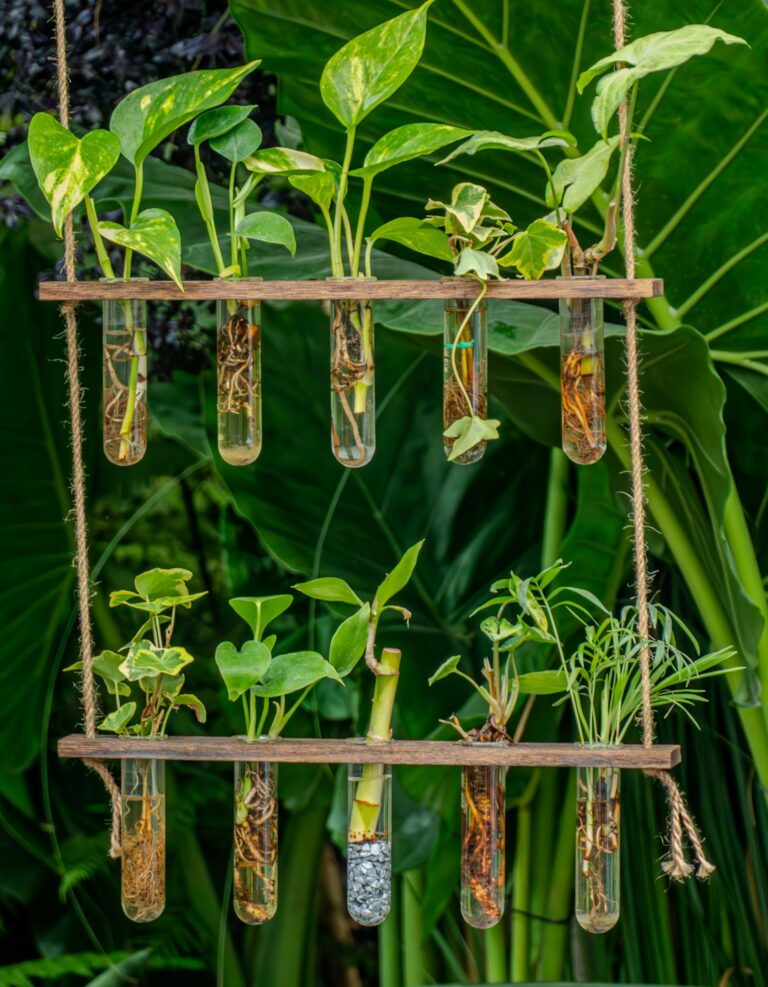
Some households are looking at their yards and gardens as a way to grow a portion of their own food. Vegetable and herb seeds, garden soil, containers, and basic tools are getting attention from people who want to have fresh ingredients close to home.
Tomatoes, beans, squash, and herbs are popular choices because they can provide food without requiring a large garden. Growing your own produce won’t replace regular grocery shopping, but even a few containers or a small garden bed can supply fresh ingredients during the growing season.
Hygiene and Household Basics
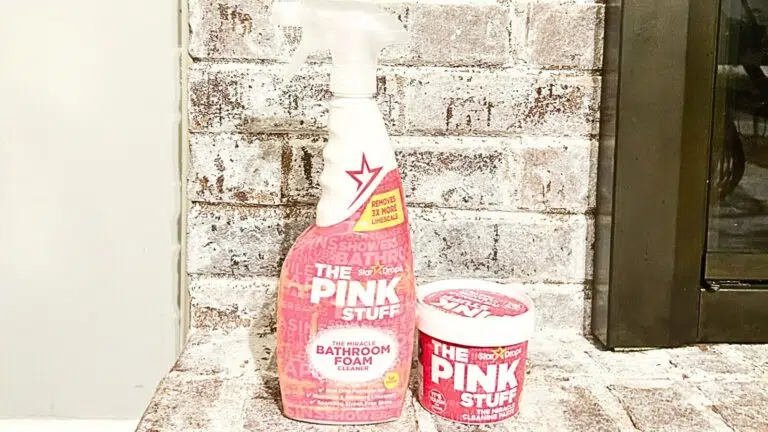
Toilet paper, soap, toothpaste, laundry detergent, and feminine hygiene products are items most households need to replace regularly. Keeping an extra package or bottle at home can save you from making an unexpected trip to the store.
Past shortages have shown how quickly everyday necessities can disappear when shoppers start buying them in large quantities. A package of toilet paper or another bottle of soap takes up relatively little room and can be useful to have on hand.
Fuel and Backup Cooking Supplies
Some households are preparing for power outages and higher fuel costs by keeping backup cooking supplies at home. Propane tanks, butane stoves, generators, and firewood may come in handy during an extended outage, depending on where you live and the equipment you own.
Fuel needs careful handling and storage, so follow local safety rules and the manufacturer’s instructions. There’s no reason to keep more than you can safely store or reasonably use.
Stocking Up Without Going Overboard
Building a small stockpile doesn’t mean filling every closet or buying more than your household can use. Start with the foods and supplies you already purchase, such as an extra bag of rice, another package of toilet paper, or a few cans of protein during your next grocery trip.
Spreading those purchases over several weeks can make it easier on your budget than buying everything at once. The idea isn’t to guess exactly what will happen with prices, but to have a little extra at home if something you regularly buy becomes more expensive or harder to find.