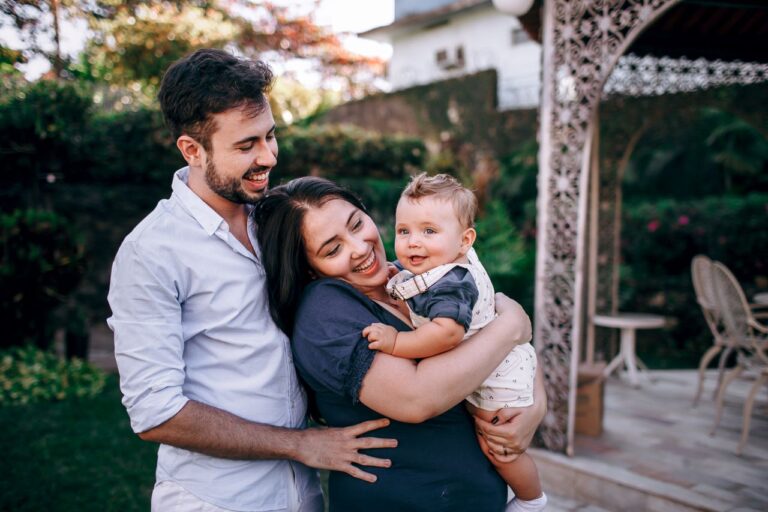
Have you ever noticed your dog staying close when you’re having a bad day, acting excited when you’re happy, or becoming uneasy when something feels off? Dogs pay close attention to their owners, picking up on facial expressions, body language, smells, sounds, and small behavioral changes that people might not even notice.
A recent study published in iScience offers another look at how dogs respond to human emotions. Researchers used brain scans and found that dogs process facial expressions differently depending on whether a person looks happy, angry, afraid, or sad.
Your dog may be paying closer attention to your feelings and behavior than you realize. Here are 10 things dogs may pick up on.
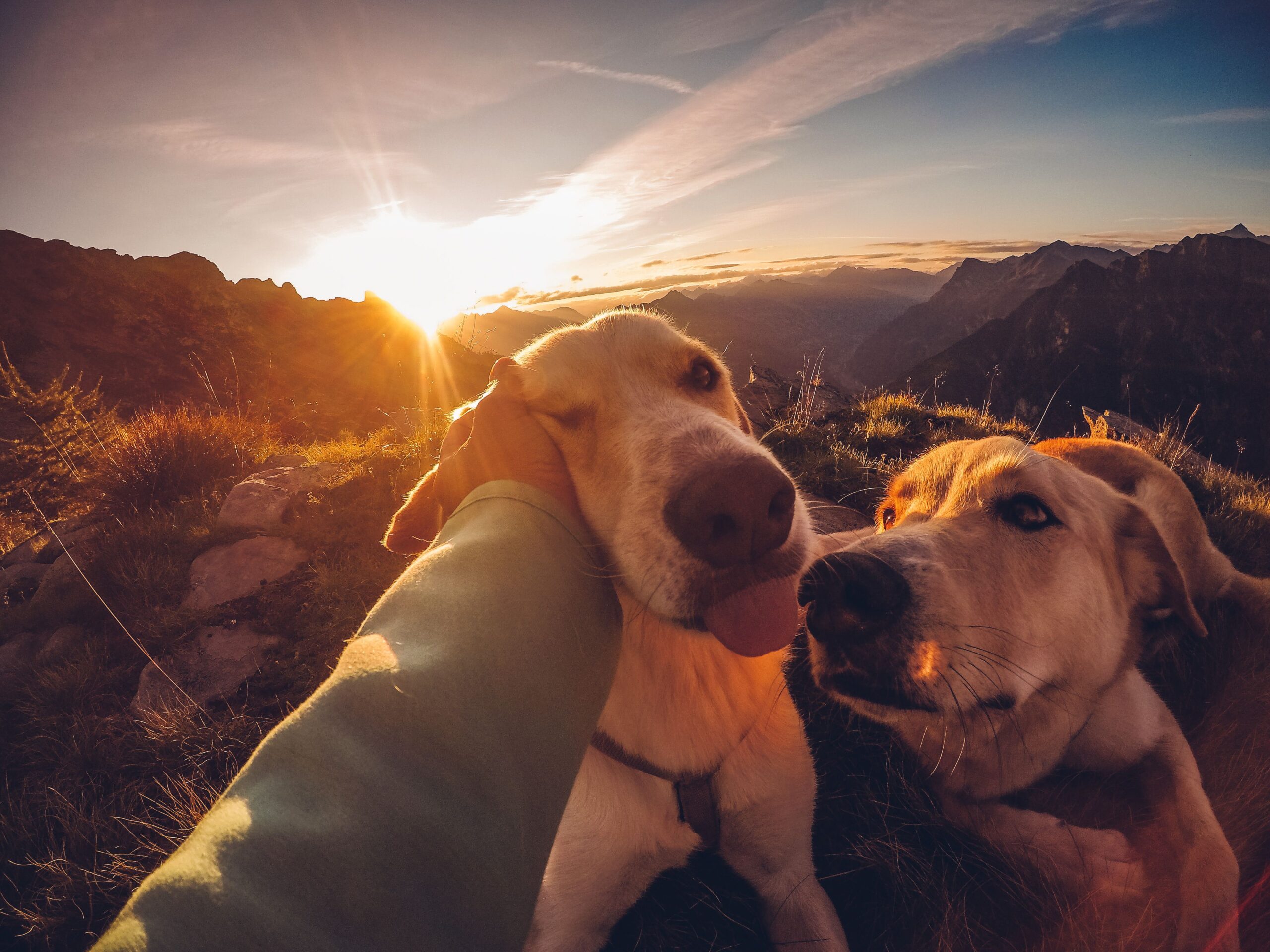
When You’re Happy
Dogs can recognize signs of happiness through your facial expressions, voice, and body language. Seeing a smiling, excited owner may also activate parts of their brain linked to positive feelings and rewards.
When You’re Sad
Your dog may notice when your usual smile turns sad, or your behavior becomes quieter. Some dogs respond by staying close, resting beside their owners, or seeking physical contact.
When You’re Angry
A furrowed brow, tense posture, raised voice, or sudden movement can tell your dog that something is wrong. Dogs pay close attention to these signals, so they may become cautious or move away when you’re upset.
When You’re Afraid
Fear can affect the way you stand, move, speak, and react to your surroundings. Your dog may pick up on these changes and become more alert or uneasy, especially if it senses that you’re uncomfortable.
When You’re Stressed
Your dog may notice stress through changes in your voice, breathing, movements, and daily behavior. Some dogs respond by staying nearby, while others may become restless or show signs of anxiety themselves.
When Something About a Person Is Different
Have you ever seen your dog react differently to someone it has just met? It may be picking up on that person’s movements, scent, voice, facial expressions, or body language rather than judging whether someone is a good or bad person.
Changes in Your Body
A dog’s sense of smell is far more sensitive than ours, allowing it to detect odors that people cannot notice. Changes in body chemistry can affect the way someone smells, which is why specially trained dogs can learn to recognize certain medical conditions or physical changes.
Related: 12 Dog Breeds With Expensive Grooming, Food, and Medical Needs
When a Seizure May Be Happening
Some dogs can recognize changes that happen before or during a seizure, and specially trained seizure-response dogs can help their owners during these events. Not every dog can predict a seizure, so a pet’s unusual behavior should never replace medical care.
Changes in Blood Sugar
Diabetes alert dogs can be trained to recognize scent changes associated with blood sugar fluctuations. They may alert their owners when they detect these changes, giving the person time to check their levels and follow their care plan.
When the Weather Is Changing
Your dog may notice signs of an approaching storm before you do. Distant thunder, changing winds, unusual smells, and other environmental signals can alert dogs that the weather is about to change.