Saving money on groceries doesn’t have to mean filling your cart with foods your family doesn’t like simply because they’re cheap. Often, you can lower the bill by changing how you shop for the same foods you’re already buying.
A little planning, comparing prices, and cutting down on waste can make a noticeable difference over time. Here are 10 ways to spend less without completely changing what’s on the dinner table.
1. Grab a Basket Instead of a Giant Cart
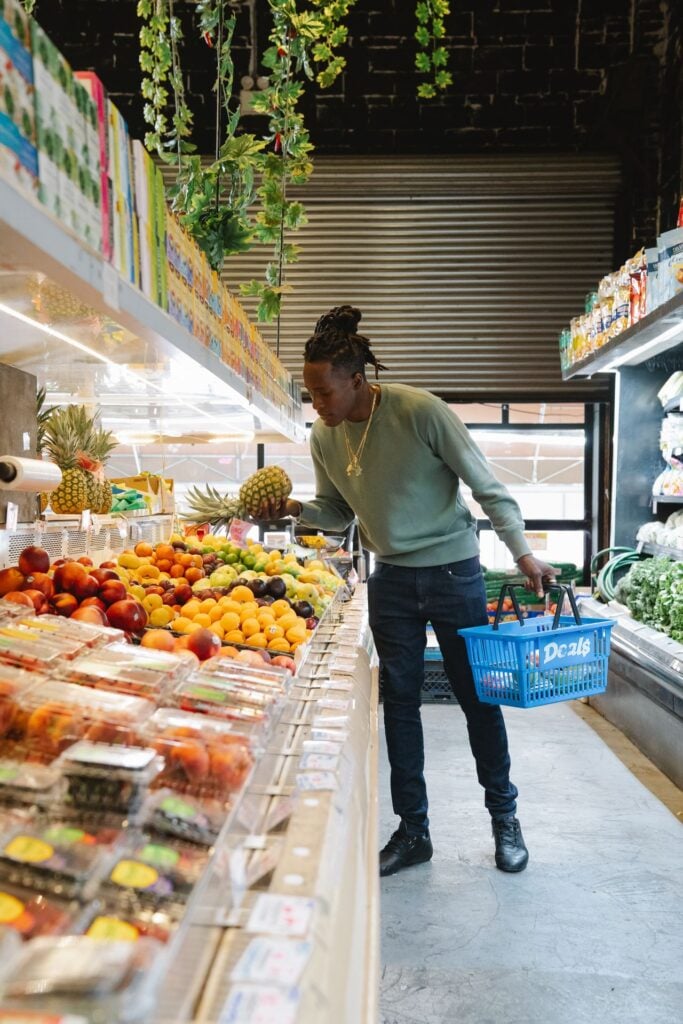
If you’re making a smaller grocery run, grab a basket instead of automatically reaching for a full-size cart. Having less room can make it easier to stick with what you came for rather than filling the extra space with snacks, drinks, and other unplanned purchases.
2. Try the Store-Brand Version
You don’t have to give up your favorite foods, but you may not need to pay extra for the name printed on the package. Try store-brand versions of pantry staples, dairy products, frozen foods, and other regular purchases and keep buying the cheaper alternatives you genuinely enjoy.
3. Check Your Kitchen Before Making Your List
Look through the refrigerator, freezer, and pantry before deciding what you need for the week. Build your grocery list around what’s actually missing so you don’t come home with another jar of pasta sauce only to discover three already sitting in the cupboard.
4. Buy Whole Produce Instead of Paying for Prep
Pre-cut fruit, chopped vegetables, and salad kits are convenient, but that convenience can come with a higher price. Buying the whole version and doing the chopping yourself lets you keep eating the same fruits and vegetables without paying someone else to prepare them.
5. Buy Produce When It’s in Season
You don’t have to stop buying fresh produce to save money, but it helps to be flexible about which fruits and vegetables go into the cart. Seasonal produce is often more abundant, giving you opportunities to enjoy foods you like when they’re available at better prices.
6. Don’t Grocery Shop Hungry
A quick snack before leaving home could save you from a cart full of things that suddenly looked irresistible in aisle five. Shopping when you’re not hungry makes it easier to stick with the foods you planned to buy instead of adding snacks and convenience foods on impulse.
7. Plan Meals Around Foods You Actually Like
A money-saving meal plan isn’t very useful if nobody wants to eat what’s on it. Start with meals your household already enjoys, check which ingredients you have, and plan several dinners that make use of overlapping ingredients.
8. Know When Buying More Actually Saves Money
Compare unit prices rather than assuming the largest package or bulk option is automatically the cheapest. When something you regularly eat really is cheaper in a larger quantity or goes on a good sale, stock up only on an amount you know you’ll actually use.
9. Shop Alone When You Can
Going grocery shopping with other people can mean more requests and more unplanned things finding their way into the cart. Shopping alone when possible makes it easier to follow your list, move through the store quickly, and leave with what you intended to buy.
10. Freeze Food Before It Goes to Waste
Bread, leftovers, meat, and many other foods can often be frozen before they reach the point where you’re considering throwing them away. Freezing extras while they’re still good protects the money you’ve already spent and gives you food for another meal later.