Before online shopping changed the way we buy almost everything, department stores were places where people could easily spend an entire afternoon. A trip to the mall might mean picking up clothes, looking at appliances, grabbing lunch, and checking out the holiday displays before heading home with several shopping bags.
For many families, these stores were part of everyday life. Kids met friends at the mall, parents bought school clothes and household items, and holiday shopping became an annual tradition. Some stores were huge downtown landmarks with beautiful architecture and elaborate window displays. Others were neighborhood favorites where shoppers knew exactly where to find their usual brands.
Over the years, many of these chains disappeared because of bankruptcies, mergers, changing shopping habits, and competition from online retailers. Some were replaced by other brands, while others left behind empty storefronts.
Still, people remember them. Often, it’s less about the merchandise and more about the memories tied to those stores.
Here are some of the department stores many shoppers still miss.
Lord & Taylor
For generations, Lord & Taylor was associated with classic department store shopping. Its Fifth Avenue flagship in New York became famous for its elaborate holiday windows, elegant displays, and the Bird Cage restaurant, where shoppers could stop for lunch during a long day of shopping.
The company lasted for almost 200 years before its traditional retail presence faded away. For longtime customers, seeing Lord & Taylor disappear felt like losing one of the last links to an older style of shopping.
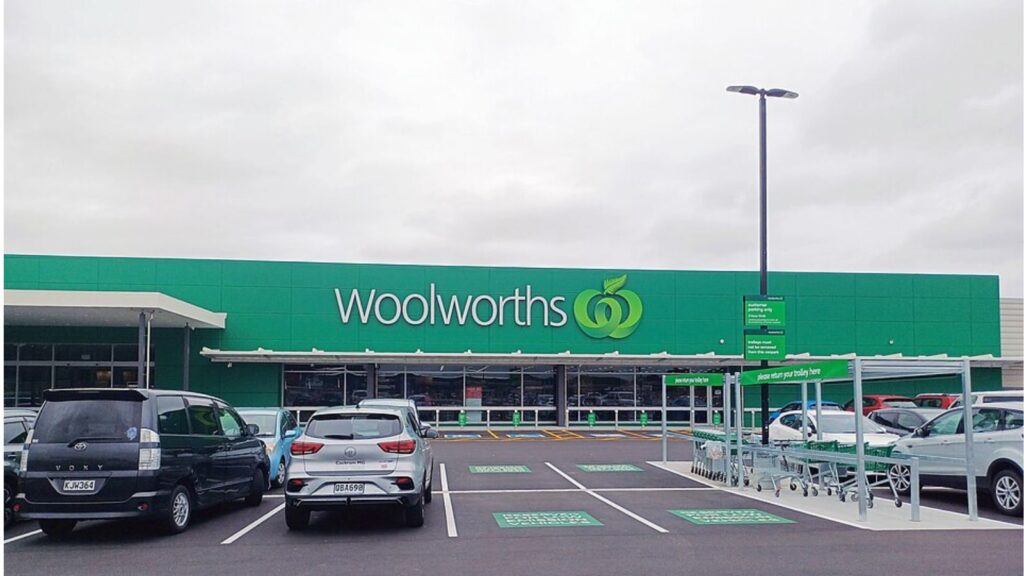
Woolworth’s
Woolworth’s brings back plenty of memories for people who grew up visiting its five-and-dime stores. You could find household goods, small gifts, toys, school supplies, and plenty of inexpensive odds and ends under one roof.
For many shoppers, though, the lunch counter was the real highlight. A grilled cheese sandwich, milkshake, or order of fries could turn a routine shopping trip into something kids looked forward to.
Woolworth’s was affordable and familiar. It was the kind of store where children could spend their allowance while their parents picked up things they needed for the house.
Sears
Sears was much more than a department store. For generations of Americans, it was part of the fabric of everyday life.
Families ordered everything from clothing to appliances through the Sears catalog, while the famous Christmas Wish Book became something children looked forward to each year. Sears was also closely associated with Craftsman tools and Kenmore appliances.
At its height, the chain seemed almost impossible to avoid. Watching Sears locations close across the country has been especially strange for shoppers who grew up visiting the stores with their parents.
Bon-Ton
Bon-Ton served many smaller cities and suburban communities that didn’t have access to large luxury department stores. Shoppers could find clothing, cosmetics, gifts, home goods, and other everyday purchases without having to travel to a major city.
Customers often remember the stores for their friendly service and more relaxed shopping experience. When Bon-Ton disappeared, some communities lost one of their last traditional department stores.
Marshall Field’s
In Chicago, Marshall Field’s was far more than a place to shop. Its State Street flagship became a landmark, known for its beautiful architecture, Tiffany glass ceiling, holiday displays, and the Walnut Room.
The giant Christmas tree in the Walnut Room became a holiday tradition for generations of families.
When the store became Macy’s, the building remained, but many longtime Chicago shoppers felt that something had changed. Plenty of locals still refer to the location as Marshall Field’s, even years later.
Related: After Digging Through More Thrift Stores Than I Can Count, Here’s What I Learned
Hecht’s
Hecht’s was a familiar name throughout the Mid-Atlantic, with stores in places such as Washington, D.C., and Baltimore. Families went there for school clothes, holiday gifts, wedding registries, cosmetics, and everyday purchases.
The chain occupied a comfortable middle ground. It felt a little more polished than a discount store but was still accessible to ordinary families.
When Hecht’s locations were converted to Macy’s stores, longtime customers lost a familiar local name that had been part of their communities for generations.
Montgomery Ward
Montgomery Ward was one of the early giants of American mail-order retail. Long before people could order something online with a few clicks, families could browse its catalogs and order merchandise from home.
The company later operated department stores and became a familiar name in shopping centers around the country.
Montgomery Ward eventually closed its stores and ended its retail operations in 2001. For older shoppers, the company remains a reminder of a time when a catalog arriving in the mail could feel like a major event.
Kmart
Kmart may not have had the upscale reputation of stores like Lord & Taylor, but it had a loyal customer base. For many families, it was the place to find affordable clothing, toys, school supplies, groceries, and household basics.
Then there were the Blue Light Specials. Shoppers could hear the familiar announcement and head toward the flashing blue light to see what was being offered.
Kmart’s decline was gradual, and its remaining stores eventually disappeared from most communities. For many former shoppers, the memories are tied to ordinary family errands rather than anything glamorous.
Ames
Ames was a familiar name throughout parts of the Northeast and Midwest, especially during the 1980s and 1990s. The discount department store sold clothing, household goods, toys, seasonal merchandise, and plenty of everyday necessities.
For smaller communities, an Ames store could be one of the main places to shop without driving a long distance.
The stores were simple and affordable, which was part of their appeal. When Ames closed its remaining stores in the early 2000s, some towns were left with vacant shopping spaces that were difficult to replace.
Related: Major Brands That Are Losing Their Appeal With American Shoppers
Barneys New York
Barneys represented a very different kind of department store. The retailer became known for designer clothing, luxury brands, fashion-forward merchandise, and a clientele that included celebrities and serious fashion shoppers.
Even people who rarely shopped there recognized the name. Barneys became closely associated with New York fashion and high-end retail.
Its closure in 2019 marked the end of a famous name in American fashion. For many people, Barneys was memorable precisely because it felt so different from the average department store.
Hills
Hills was a favorite for many shoppers in the Northeast and Mid-Atlantic. The discount chain offered affordable clothing, toys, household goods, and seasonal merchandise.
For kids, though, the snack bar could be just as memorable as the shopping itself. Popcorn, pretzels, and ICEEs made a routine trip to Hills a little more exciting.
The stores weren’t fancy, and they didn’t need to be. Hills was familiar, affordable, and part of the weekly routine for many families.
Mervyn’s
Mervyn’s became a familiar suburban department store for families looking for reasonably priced clothing and household merchandise. During the 1980s and 1990s, its “Open, open, open” advertising campaign became hard to forget.
The chain offered a middle ground between discount retailers and more expensive department stores. Shoppers could find clothing for the family, home goods, and seasonal merchandise without spending a fortune.
When Mervyn’s disappeared, longtime customers often struggled to find another store that felt quite the same.
Related: 9 Things Thrift Stores Wish More People Would Donate
Carson Pirie Scott
Carson Pirie Scott, often shortened to Carson’s, was closely tied to shopping culture in the Midwest. The chain sold clothing, cosmetics, home goods, holiday decorations, and plenty of other merchandise.
Its stores were often located in beautiful older buildings, adding to the feeling that shopping there was an occasion rather than a quick errand.
For many families, visits to Carson’s were part of holiday traditions and special shopping trips. When the chain closed, longtime customers lost a familiar name that had been part of their communities for decades.
JCPenney at Its Peak
JCPenney still operates stores, but longtime shoppers often remember a very different version of the company.
At its height, Penney’s was a one-stop destination for families. You could shop for school clothes, buy an appliance, schedule a family portrait, visit the salon, and pick up holiday gifts without going anywhere else.
Older customers may remember the busy catalogs, crowded back-to-school aisles, portrait studios, and packed stores during the holiday season.
The company has changed considerably since those days, but for people who grew up shopping there, the memories of the old JCPenney are hard to replace.