Brand loyalty in America used to be a powerful thing. Many households are stuck with the same stores, products, and companies for decades without thinking twice. But in recent years, that loyalty has started to shift. Today’s shoppers are more willing to walk away if prices climb too high, values feel out of sync, or the experience simply isn’t worth it anymore.
A growing number of familiar brands are discovering that consumers have more choices than ever before. Whether it’s due to rising costs, changing priorities, ethical concerns, or better alternatives, many Americans are quietly changing their shopping habits. Here are several well-known brands that some consumers are choosing to leave behind and why.
Target
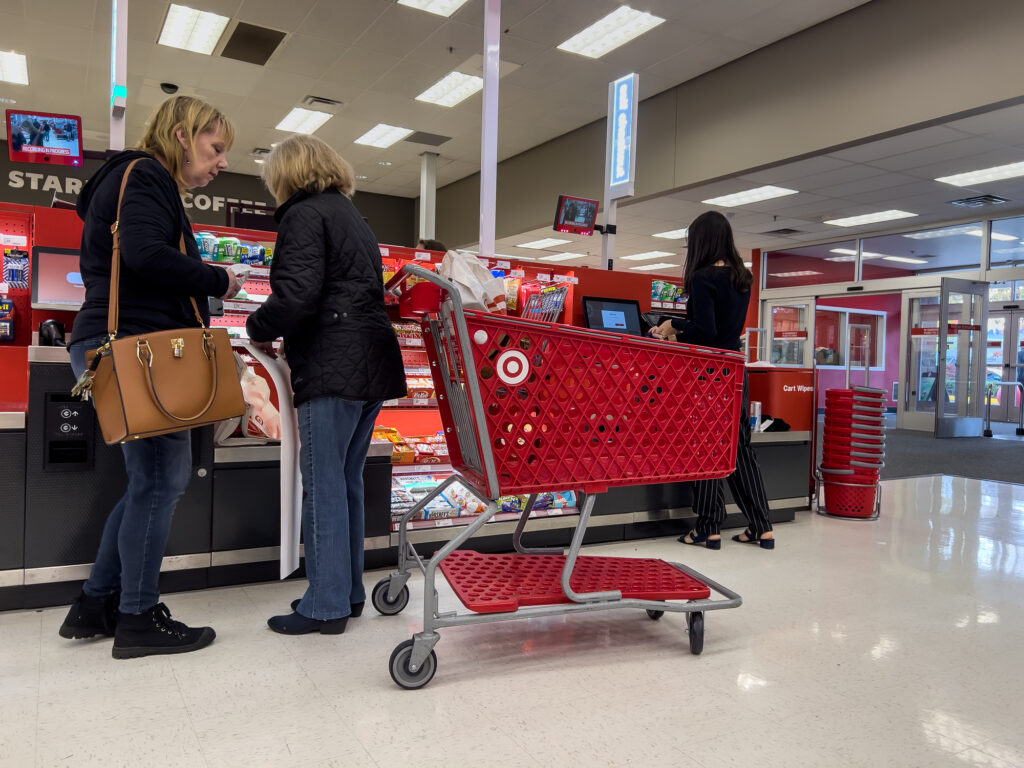
Target once had a reputation for being the stylish alternative to traditional big-box retailers. Shoppers loved the curated displays, trendy home goods, and affordable design collaborations that made the store feel a little more exciting than the average department store.
In recent years, however, some customers feel the brand has lost that spark. Issues such as overstocked inventory, inconsistent pricing, and confusion about the company’s direction have frustrated shoppers. Target has also faced backlash from different sides of political and social debates, which has added to the brand’s challenges.
Sales have fluctuated, and the company has struggled to recapture the same enthusiasm it once enjoyed. For some longtime shoppers, Target no longer feels like the effortless one-stop destination it used to be.
Starbucks
Starbucks was once the go-to coffee stop for millions of Americans who loved the mix of convenience, customization, and café culture. But in recent years, some customers feel the experience no longer matches the price. Drinks that once felt like an affordable treat can now cost close to $8 or more after add-ons, making daily visits harder to justify.
Many stores have also shifted toward mobile pickup and delivery, which has changed the relaxed coffeehouse atmosphere Starbucks once promoted. Labor disputes and unionization efforts have also drawn attention and influenced how some customers view the brand. While Starbucks remains extremely popular, rising prices and a changing in-store experience are causing some customers to look elsewhere for their daily coffee.
H&M
H&M built its popularity by offering trendy clothing at prices that felt accessible to nearly everyone. For years, shoppers could walk in and find runway-inspired styles without spending much money. However, the brand has faced growing criticism over its role in fast fashion and the environmental impact of producing large volumes of inexpensive clothing.
Many consumers are becoming more conscious about sustainability and are starting to question buying clothes designed to be worn only a few times. Shoppers have also reported concerns about declining fabric quality and items that don’t last as long as expected. As a result, some customers are choosing to spend their money on brands that prioritize durability and sustainable production.
Amazon
Amazon revolutionized online shopping with fast shipping and endless product options. For years, the convenience of Prime delivery made it difficult for competitors to keep up.
However, some consumers are starting to reconsider their reliance on the platform. Complaints about questionable third-party sellers, rising prices, and an overwhelming number of sponsored listings have made shopping feel less straightforward than it once did.
In addition, ongoing criticism of warehouse working conditions has led some shoppers to look for alternative retailers. While Amazon remains dominant, not everyone is as enthusiastic about it as they once were.
Coca-Cola
Coca-Cola remains one of the most recognizable brands in the world, but some consumers are cutting back. Health concerns about sugar intake have led many people to reduce their consumption of sugary sodas.
Environmental concerns have also played a role. The company has faced criticism for its contribution to plastic waste, prompting some shoppers to seek beverages with more sustainable packaging.
While the brand still holds a strong global presence, the shift toward healthier drinks and eco-friendly options is slowly reshaping consumer habits.
McDonald’s
McDonald’s built its empire on fast, affordable meals that families could count on. But rising menu prices in recent years have caused some customers to rethink their regular visits.
In many areas, a full fast-food meal now costs significantly more than it once did. For some consumers, that price jump removes the value that made the brand appealing in the first place.
Competition from newer fast-casual restaurants has also given diners more choices, making McDonald’s no longer the automatic option for a quick bite.
Meta (Facebook and Instagram)
Social media platforms like Facebook and Instagram once felt like essential daily tools for staying connected. Today, some users are growing tired of the constant advertisements, algorithm changes, and privacy concerns.
Many people feel that their feeds are less about friends and more about sponsored content. Concerns about misinformation and data privacy have also pushed some users to reduce their time on these platforms.
While millions still use Meta’s apps, the excitement that once surrounded them has faded for many longtime users.
IBM
IBM was once synonymous with technological innovation and corporate computing power. Over time, however, the fast-moving tech industry has shifted toward newer companies and emerging platforms.
Some businesses feel that IBM has struggled to keep up with the rapid pace of change in areas like cloud computing and artificial intelligence. As younger tech firms capture attention and investment, IBM has found it harder to maintain its previous dominance.
Although still influential in enterprise technology, the brand doesn’t carry the same cultural weight it once did.
Nike
Nike built its reputation as a symbol of athletic performance and cultural influence. Its iconic swoosh logo remains one of the most recognizable marks in sportswear.
However, rising sneaker prices and concerns about labor practices in the supply chain have caused some shoppers to reconsider their loyalty. In addition, intense hype culture around limited releases has made it difficult for many consumers to access the products they want.
As smaller athletic brands grow and offer competitive designs, Nike faces increasing competition for modern shoppers’ attention.
Colgate-Palmolive
Colgate has long been a household name in oral care and cleaning products. However, the market has shifted as consumers increasingly look for products with natural ingredients and simpler packaging.
Smaller brands offering eco-friendly or organic alternatives have attracted shoppers seeking fewer chemicals and greater transparency in product labeling.
While Colgate remains widely used, it now faces stronger competition from niche brands that focus on sustainability and cleaner formulas.
Papa John’s
Papa John’s Pizza once enjoyed enormous popularity, but the brand faced challenges after controversies involving its former leadership. Although the company has attempted to move forward, some customers lost interest during that period.
Competition from other pizza chains and local restaurants has also made it harder for the brand to maintain its former dominance.
For many consumers, pizza night now involves exploring a wider range of options rather than sticking with the same chain.
Bud Light (Anheuser-Busch)
Bud Light has experienced significant shifts in its customer base in recent years. Public controversies and marketing decisions sparked debates that caused some longtime drinkers to switch to other beer brands.
Brand loyalty in the beverage industry can be fragile, and once consumers find alternatives they enjoy, it can be difficult to win them back.
While Bud Light still holds a large market share, the company continues working to rebuild trust with its traditional customer base.
Home Depot
Home Depot has long been a go-to destination for home improvement supplies. However, some shoppers say the in-store experience has changed over time.
Customers occasionally report difficulty finding assistance on the sales floor or frustration with inventory availability. With more people shopping online for tools and materials, the traditional big-box experience isn’t always as appealing as it once was.
As a result, some DIY enthusiasts now compare multiple retailers before committing to a purchase.
Walmart
Walmart built its brand around offering low prices on nearly everything. While that promise still attracts millions of shoppers, some customers find the in-store experience stressful or crowded.
Long checkout lines, inconsistent product availability, and increased competition from online retailers have pushed some consumers to shop elsewhere.
Although Walmart remains one of the largest retailers in the world, shoppers now have more options than ever before.
Tesla
Tesla once captured enormous excitement as a pioneer in electric vehicles. For many drivers, owning a Tesla represented cutting-edge technology and a step toward a cleaner future.
However, delivery delays, repair costs, and ongoing controversies surrounding company leadership have caused some potential buyers to reconsider. At the same time, traditional automakers have entered the electric vehicle market with their own competitive models.
Tesla remains influential in the EV industry, but the brand no longer enjoys the same uncontested enthusiasm it once did.