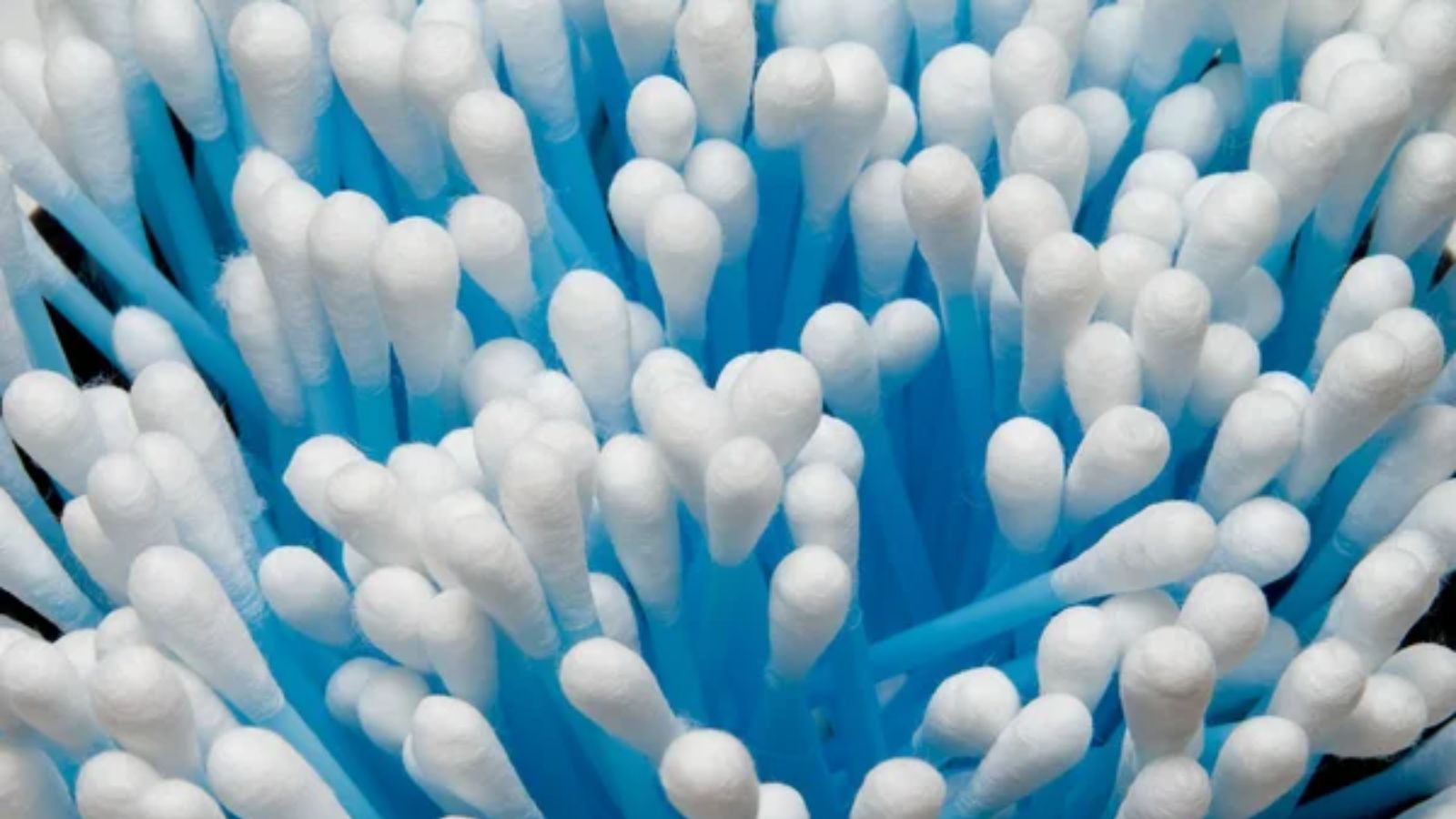
Most people have a box of cotton swabs tucked away in a bathroom drawer. They’re cheap, simple, and usually linked to ear cleaning, even though health professionals often caution against putting them inside the ear canal. Still, these small tools are far more useful than they get credit for.
Cotton swabs date back to 1923, when inventor Leo Gerstenzang came up with the idea after seeing his wife wrap cotton around a small stick to clean tight spaces. That basic idea hasn’t changed much over the years. Their strength lies in precision. They’re ideal for reaching narrow spots or applying small amounts of product without making a mess.
Here are 14 little-known uses for cotton swabs that make everyday tasks easier.
Clean Tight Electronic Spaces
The narrow cotton tip makes it easy to clean keyboard crevices, phone charging ports, camera edges, and remote controls. Lightly dampen one end with isopropyl alcohol and gently remove dust and buildup.
It helps maintain devices you use daily but rarely think to clean. The small size allows precision without damaging delicate parts.
Tidy Up Makeup Mistakes
A slightly dampened cotton swab can fix eyeliner smudges, mascara marks, or lipstick that went outside the lines. You don’t need to redo your entire look over one small mistake. It gives you control in delicate areas, especially around the eyes. Using micellar water makes it even more effective.
Apply Spot Treatments Without Waste
Instead of dipping your fingers into jars of creams or acne treatments, use a cotton swab to apply the product exactly where you need it. This limits bacteria from entering your skincare containers. It’s especially helpful when applying eye cream or targeting blemishes. You use less product and keep everything more sanitary.
Clean Delicate Jewelry
Rings, earrings, and pendants often have tiny crevices that trap dirt. A cotton swab dipped in jewelry cleaner or mild soapy water makes detailed cleaning simple. It allows you to reach around gemstones and settings without scratching them. Afterward, a dry swab can help remove leftover moisture.
Touch Up Nail Polish
When doing at-home manicures, small smudges are almost guaranteed. Dip a cotton swab in nail polish remover and clean up around the edges of your nails. It provides far better precision than a tissue or cloth. You can also use it to create small nail art details.
Detail Clean Your Car Interior
Car vents, window buttons, gear shifts, and door handles collect dust quickly. A damp cotton swab can reach into those narrow grooves. It’s especially helpful for textured plastic surfaces. Regular quick cleanings prevent buildup that’s harder to remove later.
Remove Hair Dryer Lint
Lint buildup in hair dryer vents can create a fire risk over time. Gently swabbing the rear vent with a damp cotton swab helps remove trapped dust. It only takes a few minutes, but supports safer operation. This is one of those small maintenance tasks that’s easy to overlook.
Lubricate a Stuck Zipper
If a zipper sticks, dip a cotton swab into a small amount of lip balm, petroleum jelly, oil, or even soapy water. Apply it carefully along the zipper teeth. The lubrication helps the zipper glide more smoothly. The cotton tip keeps the product exactly where it’s needed.
Touch Up Small Paint Scuffs
For tiny chips or scrapes on walls or trim, you don’t need a full paintbrush. Dip a cotton swab in matching paint and dab carefully over the spot. It provides control for very small imperfections. This saves time and cleanup.
Help With Seed Planting
When working with tiny seeds, a slightly moistened cotton swab can pick them up and transfer them accurately. It gives you control over spacing in trays or pots. You can also gently press seeds to the proper planting depth. It’s a small tool that makes gardening more precise.
I Stopped Buying Plants From Home Depot After Years of Gardening and You Might Want To, Too
Assist With Hand Pollination
For delicate flowers that need help pollinating, use a clean cotton swab to transfer pollen from one flower to another. The soft tip won’t damage fragile petals. This method is especially useful for plants with small blossoms. It gives you more control than using your fingers.
Apply Ointments to Small Areas
When treating small wounds or burns, a cotton swab helps apply ointment without touching the area directly. This reduces contamination and spreads the product evenly. It’s also useful when changing dressings. Keeping a few clean swabs in your first-aid kit adds convenience.
Other posts you might like:
- Banana Peels Might Be the Most Underrated Natural Boost for Your Garden
- I Stopped Using Dryer Sheets in the Dryer—Here’s Where I Use Them Instead
- Stop Throwing Away Orange Peels — Some Call Them Trash, Others Call Them Kitchen Gold
- 14 Practical Uses for Windex
- 15 Incredible Ways to Repurpose Used Coffee Grounds