I get why people buy plants from Home Depot. You’re already there. The price looks good. The plant looks healthy enough. And sometimes it even comes in a cute pot that matches your decor.
But after years of gardening and dealing with the aftermath of a few bad plant purchases, I’ve stopped buying plants from big-box stores.
It’s not that every single plant there is doomed. Some people have great luck. But for me, it started feeling like a gamble I didn’t want to keep taking.
Here’s why I choose nurseries instead.
The selection focuses on what sells fast, not what grows best locally
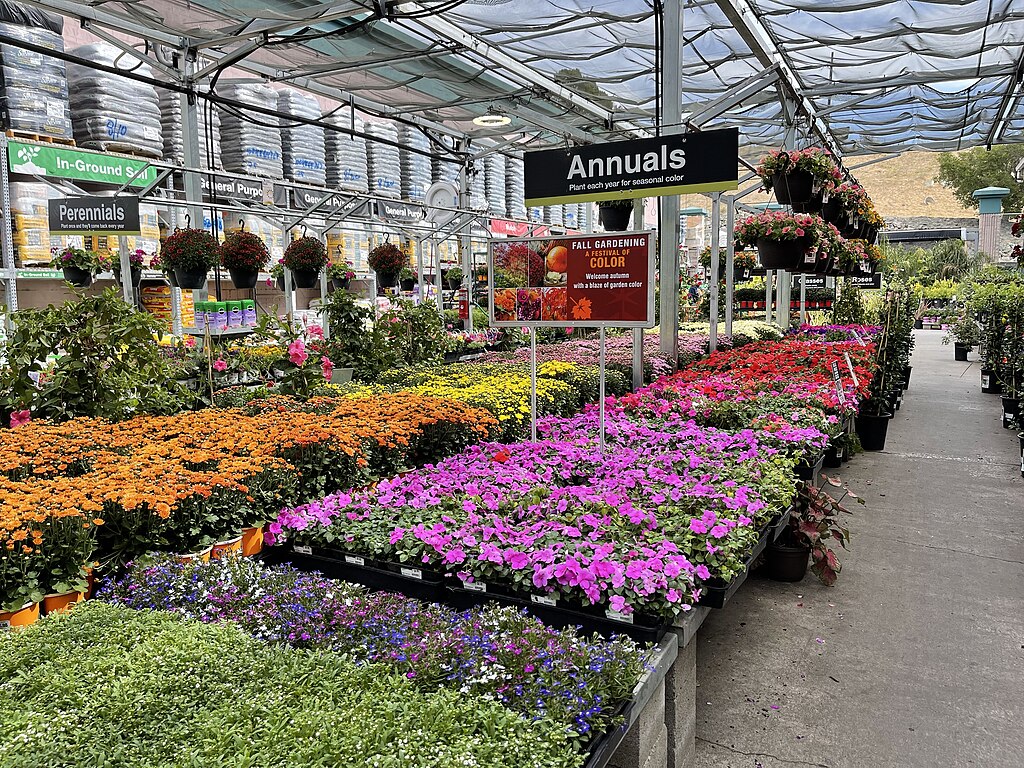
Home Depot tends to stock plants that move quickly in high volume, which usually means common, trendy, and mass-produced varieties. If you’re looking for native plants, pollinator-friendly options, region-specific perennials, or anything a little unusual, the choices are usually limited.
Even when they do carry something interesting, it’s often seasonal and inconsistent, so you can’t plan around it. Local nurseries often curate their inventory based on what actually performs well in your climate. That guidance matters when you’re planting something you want to survive for years.
The Lighting Isn’t Set Up for Plant Health
I’ve seen full-shade plants sitting in harsh afternoon sun. I’ve also seen sun-loving plants tucked into dim corners under warehouse lighting. Plants might still look okay at first glance, but stress doesn’t always show immediately.
When you bring home a plant that’s already been in the wrong conditions, it can decline quickly and you’ll think it was your fault. Nurseries typically group plants by their needs, so they’re in better shape when you buy them.
Pest outbreaks are more common and harder to spot
This is one of the biggest reasons I don’t risk it anymore, because one plant can infest everything else you own. Spider mites, thrips, mealybugs, and fungus gnats are common problems reported with big-box plants, especially indoor houseplants.
Plants are packed close together, moved around constantly, and often come from the same large-scale greenhouses, which allows pests to spread quickly. Even if you inspect leaves in the store, you can miss eggs, larvae, or early infestations hiding in stems and soil. With a nursery, the risk isn’t zero, but I’ve found plants are less likely to come home with a full-blown problem.
Labels can be wrong or too vague to be useful
Mislabeling happens more than people think, and it’s especially frustrating if you’re buying something unfamiliar. Sometimes the plant name is wrong, sometimes the care instructions are generic, and sometimes the tag is missing altogether.
If you’re a beginner, you might follow the tag and still end up doing the opposite of what the plant needs. That’s when people blame themselves, even though the plant came home with incorrect information. Nurseries are more likely to label plants correctly and explain the difference between similar varieties.
The soil quality is often not great
A lot of big box plants come in cheap, compacted mixes designed for shipping and mass production, not long-term health. The soil may be overly wet, packed tight, or loaded with peat moss that stays soggy, starving roots of oxygen.
That’s why so many people feel like they “have to repot immediately” when they bring a big box plant home. Repotting right away can help, but it also stresses the plant and adds cost and effort that beginners don’t expect. Nursery plants aren’t always perfect either, but the potting mix is often better balanced, and the roots are usually in better shape.
The staff usually can’t give real plant advice
Home Depot employees aren’t hired specifically for plant knowledge, and it shows when you need help beyond reading a tag. You might ask a question about sunlight, watering, or soil, and get a guess instead of guidance.
Even if you meet someone helpful one day, staff turnover is high, so you may not find the same person again when you come back. That lack of consistent knowledge makes it harder to shop confidently, especially if you’re buying something new to you. Nurseries typically have people who can actually explain care, troubleshoot issues, and recommend the right plant for your conditions.
Plants are more likely to be stressed from shipping and handling
Big box plants are often transported long distances and arrive in waves on pallets, then sit while being moved, watered, and rearranged. The swings in temperature, light, and watering can stress plants, and stressed plants are far more likely to drop leaves, stall out, or attract pests.
Sometimes a plant looks fine in the store, only to collapse once you bring it home because it was already on the edge. That’s why people describe big box plants as “a gamble.” Nursery plants can still be shipped, but they’re usually monitored more carefully and acclimated better before being sold.