For many service workers, tips aren’t just extra money at the end of a shift. They’re a major part of what pays the bills. Whether it’s servers, bartenders, delivery drivers, hotel staff, or baristas, tips often make up a large portion of their income.
Most customers aren’t trying to be disrespectful. In fact, many don’t realize that some common tipping habits can come across the wrong way. What seems harmless or convenient on one side of the transaction can feel frustrating, dismissive, or inconsiderate on the other.
The good news is that a little awareness goes a long way. Understanding how workers view certain tipping behaviors can help create a better experience for everyone involved.
Here are 12 tipping habits that service workers say they wish customers would leave behind.
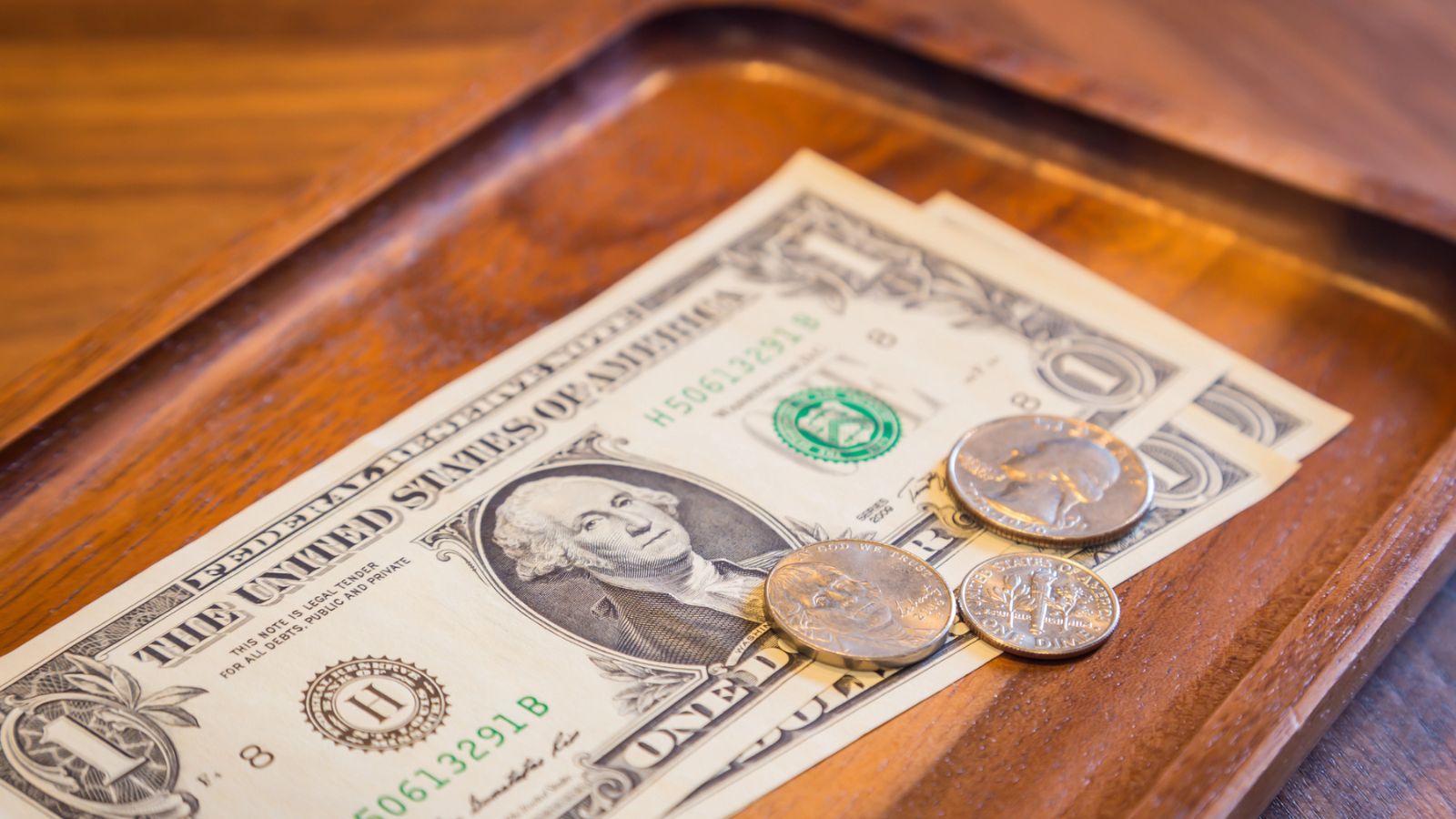
Leaving Coins Instead of Bills
Dropping a pile of loose coins on the table might feel like you left “something,” but to a service worker, it often feels like an afterthought. Coins can come across as symbolic rather than sincere, especially if the total is small. If you’re tipping in cash, bills are far more practical and respectful.
Skipping the Tip for Takeout
A common misconception is that takeout doesn’t require tipping because you didn’t sit at a table. But someone still took your order, carefully packaged your food, added utensils and condiments, and ensured everything was correct. Even a modest tip acknowledges that effort.
Tipping Based Only on How Long You Stayed
Some customers mentally calculate tips based on how long they occupied a table. Quick meal? Smaller tip. But service isn’t measured in minutes. Servers still greet you, manage your order, coordinate with the kitchen, refill drinks, and process payment regardless of how long you sit.
Not Tipping at Coffee Shops
It’s easy to hit “no tip” when grabbing a quick coffee, but baristas are crafting drinks, managing complex orders, and keeping lines moving during rushes. While not everyone tips for counter service, consistently skipping it, especially on customized drinks, doesn’t go unnoticed.
Punishing Servers for Kitchen Mistakes
If your steak is overcooked or your meal comes out wrong, it’s frustrating. But reducing the tip rarely hurts the kitchen it hurts the server. Most food preparation issues are out of their control. If they handled the problem professionally and tried to fix it, they still deserve fair compensation.
Leaving a Flat Dollar Amount No Matter the Bill
Leaving $5 on a $25 check might be generous. Leaving $5 on a $150 check isn’t. Service workers rely on percentage-based tipping because the effort often increases with larger, more complex orders. Sticking to 18–20% as a baseline is generally expected in full-service settings.
Forgetting to Tip Hotel Staff
Housekeepers, bellhops, and valets often work behind the scenes. Because you don’t see them during the entire process, it’s easy to forget they contributed to your stay. Service workers in hospitality say consistent hotel guests are often the ones who remember, and it makes a difference.
Not Tipping for “Complimentary” Services
Just because a shuttle ride or a drink is complimentary doesn’t mean the person providing it works for free. Many of these roles rely heavily on tips. If someone assists you, carries something, or provides a service, even if it’s labeled “free,” a tip is still appropriate.
Ignoring the Tip Jar Every Time
No one expects 25% on a $3 transaction. But consistently bypassing the tip jar, especially as a regular customer, sends a message. Small businesses and counter-service workers often depend on those few extra dollars accumulated throughout the day.
Under-Tipping on Large Party Checks
Serving large groups is significantly more work. It involves split checks, special requests, constant refills, and more coordination. Leaving the same percentage you would for a small two-person meal may not reflect the extra labor involved. Many restaurants add automatic gratuity for this reason.
Assuming Tips Are Shared (When They’re Not)
Some customers assume tips are pooled among the staff, so they tip less, thinking everyone benefits. In many establishments, servers tip out bartenders, bussers, and hosts from their own earnings. Under-tipping doesn’t “balance out”; it often means the server walks away with less than you think.
Tipping on the Discounted Total Only
Using a coupon or gift card doesn’t reduce the service provided. Servers say one of the most frustrating habits is when customers tip on the discounted total rather than the original bill. The workload doesn’t shrink just because you saved money.