A profitable garage sale rarely happens by accident. The sellers who consistently make the most money know that success comes down to preparation, smart pricing, and making it as easy as possible for shoppers to stop, browse, and buy.
The good news is that you don’t need years of experience to have a successful sale. These simple garage sale secrets can help you attract more buyers, sell more items, and avoid packing boxes back into the garage at the end of the weekend.

1. Plan Your Sale Well in Advance
The best garage sales start several days before the first customer arrives. Give yourself enough time to gather items, organize them by category, clean everything up, and price it properly instead of rushing the night before.
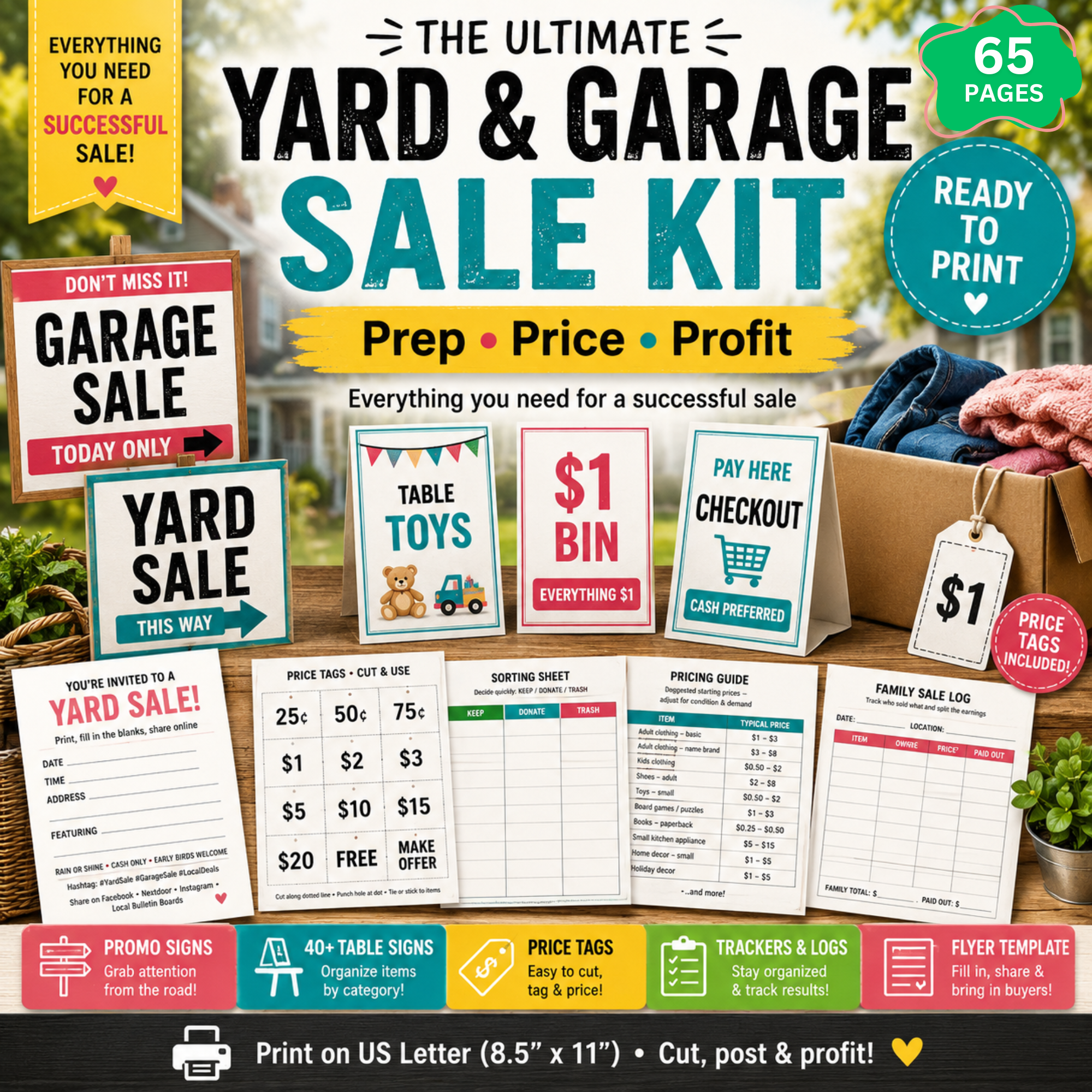
Organize your next yard or garage sale with this complete printable bundle featuring garage sale signs, price tags, flyer templates, checkout signs, trackers, and table category signs.
2. Team Up With Neighbors
Multi-family garage sales almost always attract larger crowds because shoppers know they’ll have more to browse. More sellers also mean greater advertising power, making your sale feel like a destination rather than a quick stop.
3. Pick a High-Visibility Location
If possible, hold your sale somewhere that’s easy to spot from a busy street. The more passing traffic you have, the more spontaneous shoppers you’re likely to attract throughout the day.
4. Use Large, Easy-to-Read Signs
Your signs should be bold enough for drivers to read without slowing down. Place them at major intersections leading to your sale, and consider adding balloons or bright colors to make them stand out even more.
Related: Editable Yard Sale Flyer Template – Printable Canva Garage Sale Poster
5. Advertise Everywhere You Can
Don’t rely solely on yard signs to bring in customers. Post your sale on Facebook Marketplace, neighborhood groups, Craigslist, community calendars, and local garage sale apps several days before the event.
6. Price Items to Sell
Garage sale shoppers expect bargains, so keep prices realistic from the start. Clearly label every item to eliminate constant questions and make it easier for buyers to fill their baskets without waiting for assistance.
7. Display Your Best Items Up Front
Large furniture, tools, bikes, electronics, and other eye-catching pieces should be the first things shoppers see from the street. Even if they don’t buy those exact items, they’ll often stop to browse everything else.
8. Don’t Waste Table Space on Junk
Broken, stained, or incomplete items rarely sell and can make your entire sale look less appealing. Donate, recycle, or throw away anything that’s beyond its useful life before sale day.
9. Keep Plenty of Change on Hand
Many shoppers still prefer paying with cash, especially for inexpensive purchases. Having plenty of small bills and coins makes transactions quick and prevents you from losing sales because you can’t make change.
10. Accept Digital Payments
Not everyone carries cash anymore, so offering Venmo, Cash App, PayPal, or Zelle can lead to additional sales. A buyer is much less likely to walk away from a purchase if they can pay using their phone.
11. Focus on the Items That Sell Best
Clothing, baby gear, kitchen gadgets, home décor, tools, shoes, electronics, video games, and small furniture consistently attract the most buyers. Placing these popular categories in prominent locations helps create excitement and encourages shoppers to spend more time at your sale.
12. Have a Plan for Unsold Items
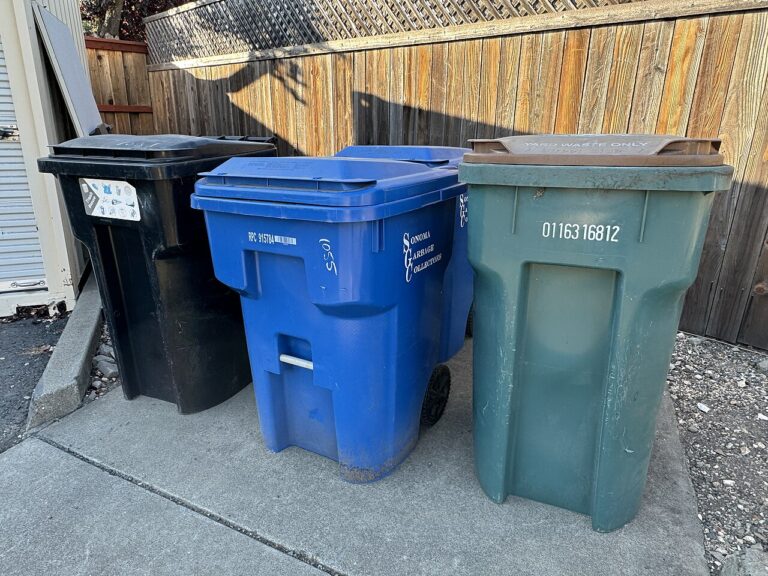
When the sale ends, immediately separate what’s left into donation, recycling, and trash piles instead of carrying everything back inside. Finishing the job the same day keeps clutter from creeping back into your home and makes the entire effort worthwhile.