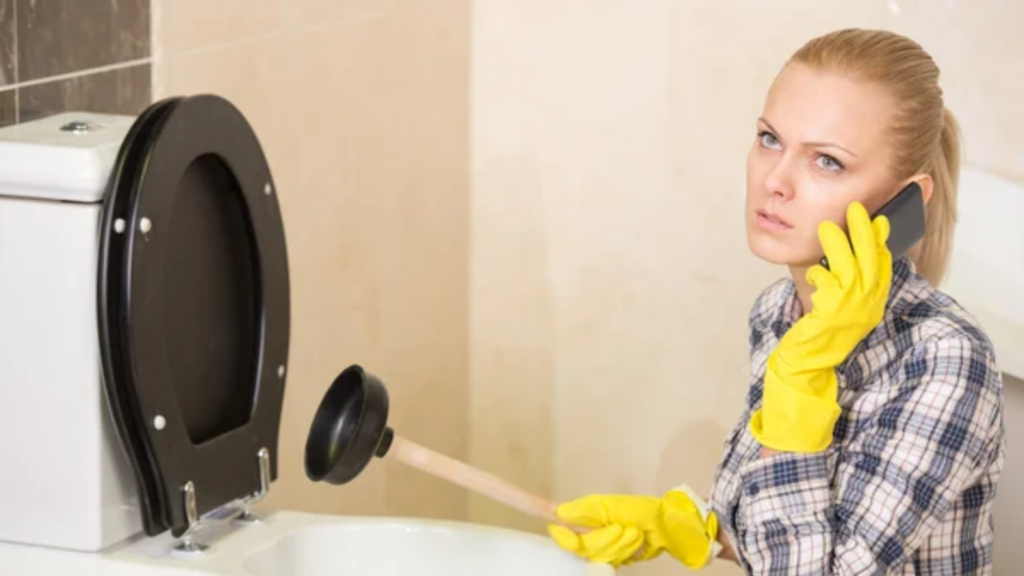
A toilet may seem like an easy place to get rid of small household items, especially when they seem harmless or are too small to think twice about. But your toilet and plumbing system are built for a very short list of things: human waste and toilet paper.
Many other items can cause trouble once they enter the pipes. Some don’t break down in water, while others absorb moisture, stick to the inside of pipes, or get tangled with other debris. A clog that starts small can eventually turn into a backed-up toilet, damaged pipes, or an expensive plumbing bill.
Keeping the wrong things out of the toilet is one of the easiest ways to avoid these problems. Here are 12 common items that belong in the trash or another disposal system instead.
Chewing Gum
Chewing gum may be tiny, but that doesn’t mean it belongs in the toilet. Gum doesn’t dissolve in water, so it can stick inside pipes and collect other bits of debris as they pass through.
Wrap used gum in a small piece of paper and put it in the trash. Keeping a small bathroom trash can nearby makes this an easy habit.
Cotton Balls and Swabs
Cotton balls, cotton pads, and cotton swabs can cause plumbing problems despite their soft texture. Cotton doesn’t break apart in water the same way toilet paper does. Instead, it can stay intact, collect in the pipes, and catch other material moving through the plumbing.
Put used cotton products in the bathroom trash instead.
Related: 12 Little Known Uses for Cotton Swabs That Simply Make Everyday Life Easier
First Aid Bandages
A used bandage might look small enough to flush, but it contains materials that don’t belong in your plumbing. The adhesive can stick to surfaces inside the pipes, while the backing material may remain intact as it moves through the system.
Wrap used bandages and put them in the trash. This also gives you a chance to dispose of them more cleanly and safely.
Paper Towels
Paper towels are made to hold together when wet, which is useful for cleaning but bad news for your plumbing. They don’t break apart quickly like toilet paper and can become lodged in narrow sections of a pipe.
If you run out of toilet paper, don’t substitute paper towels and flush them afterward. Put them in the trash instead.
Feminine Hygiene Products
Tampons, pads, and other feminine hygiene products should always go into the trash. These products are made to absorb liquid, so they can swell after being exposed to water.
That extra bulk can create a blockage, especially in smaller pipes. Keep a lined bathroom trash can nearby for easy disposal.
Diapers
Diapers are made to absorb and hold a large amount of liquid, so flushing one can cause trouble almost immediately. The absorbent material can swell inside the plumbing and create a serious blockage.
Even a small diaper can cause a major problem, so always put used diapers in the trash. An odor-sealing diaper pail can help contain unpleasant smells.
Paint
Paint should never be poured or flushed down the toilet. Certain paints contain chemicals that can cause problems for plumbing and wastewater systems, and some types are considered hazardous waste.
If you have leftover paint, check your local waste disposal rules for the proper way to get rid of it. Never use the toilet as a disposal method.
Medication
Flushing unwanted medication can send pharmaceutical chemicals into wastewater systems. Some medications can pass through treatment systems and enter waterways, where they may affect aquatic life.
Unless the medication label or a local disposal program specifically tells you to flush it, use a medication take-back program or another approved disposal method.
Grease and Cooking Oil
Grease may seem harmless while it’s hot and liquid, but it can turn into a sticky mess as it cools. Once it coats the inside of pipes, it can collect food particles and other debris, eventually leading to a stubborn clog.
Let cooking grease cool, then place it in a container or other appropriate waste receptacle instead of pouring it into the toilet or sink.
Related: 14 Odd, But Useful Olive Oil Hacks That Actually Work
Baby Wipes and Wet Wipes
Baby wipes and cleaning wipes are another common cause of plumbing problems. Even products labeled “flushable” may not break apart as quickly as toilet paper. They can remain intact as they travel through household pipes and sewer systems.
The safest option is to put used wipes in the trash. This applies even if the package says they’re safe to flush.
Kitty Litter
Kitty litter belongs in the trash, not the toilet. Many types are designed to absorb moisture and form clumps that can become much larger when wet.
Those clumps can get stuck in plumbing and create a difficult blockage. Scoop used litter into a bag and dispose of it according to your local waste rules.
Food
Your toilet isn’t a garbage disposal. Food scraps can get caught in the pipes and may contribute to blockages as other waste collects around them.
Instead of flushing leftovers or scraps, put them in the trash or compost them if the food is suitable for composting. A kitchen compost bin can make it easier to collect food scraps without filling the trash with loose waste.
A little caution can save you from a very unpleasant plumbing problem. If an item wasn’t made to break down quickly in water, it belongs somewhere other than your toilet.