
Some movies are instant hits. Others take a little longer to find their audience. And then there are the movies that barely made a dent at the box office, only to become favorites years later.
It’s funny how that happens. A movie can struggle in theaters, get mixed reviews, or simply arrive at the wrong time. But once people discover it through television, rentals, streaming, or word of mouth, its reputation can change completely.
Some of these films went on to inspire Halloween costumes, endless movie quotes, fan conventions, and even annual viewing traditions. Here are 12 movies that didn’t exactly set the box office on fire at release but eventually found a loyal following.
The Rocky Horror Picture Show (1975)
It’s hard to imagine The Rocky Horror Picture Show as anything but a cult favorite, but audiences weren’t particularly interested when it first hit theaters. The musical struggled so badly that its original theatrical run was cut short.
Everything changed when theaters began showing it at midnight. Fans started dressing as the characters, shouting along with the dialogue, and turning screenings into full-blown events. As Smithsonian Magazine explains, the movie eventually became a cultural phenomenon.
The Thing (1982)
John Carpenter’s The Thing wasn’t exactly welcomed with open arms in 1982. The science fiction horror film struggled commercially, and many critics weren’t impressed with its gruesome special effects or bleak storyline.
Over time, horror fans began appreciating what made it different. Its practical effects, tense atmosphere, and constant uncertainty about who’s human have helped make it one of the most respected horror films of its era.
The Big Lebowski (1998)
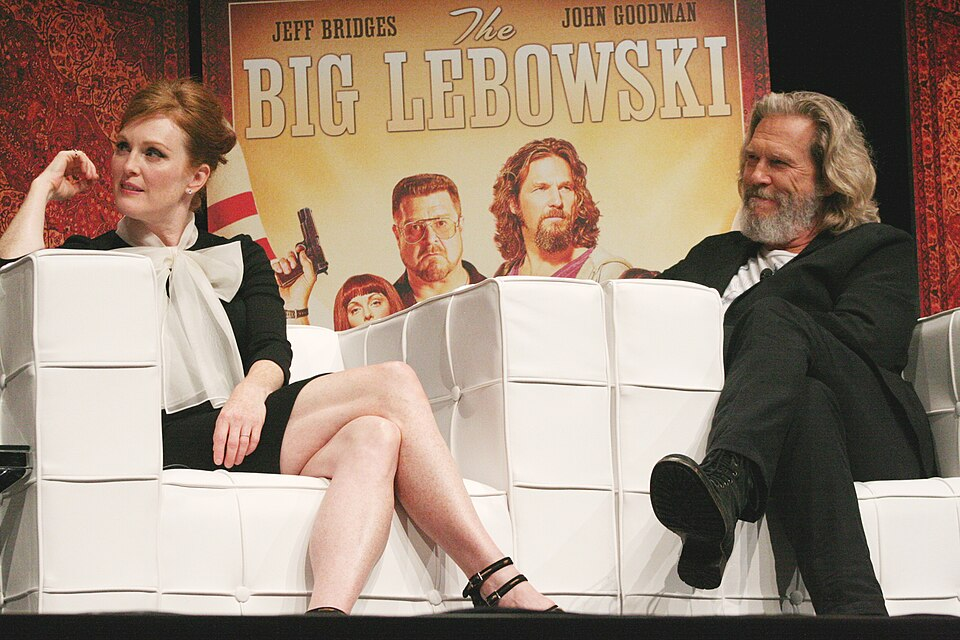
When The Big Lebowski arrived in theaters, it didn’t come close to becoming the blockbuster that some of the year’s bigger releases were. Its strange humor and wandering storyline didn’t appeal to everyone.
But people kept watching it, quoting it, and introducing it to their friends. Jeff Bridges’ character, The Dude, eventually became a pop culture favorite, and the film inspired fan gatherings and festivals. Researchers have even examined how home video, cable television, and midnight screenings helped build its following.
Office Space (1999)
Anyone who’s ever worked in an office probably understands why Office Space eventually became so popular. The movie follows a group of frustrated employees dealing with annoying bosses, pointless rules, and the everyday misery of corporate life.
Unfortunately, that wasn’t enough to bring people into theaters in 1999. According to Box Office Mojo, it earned only about $10.8 million domestically. But television reruns and home rentals gave it a second chance, and its jokes about office life are still surprisingly relatable today.
Blade Runner (1982)
Blade Runner had Harrison Ford, futuristic cityscapes, and a story that raised some pretty interesting questions about what it means to be human. Even so, the movie disappointed at the box office when it was released in 1982.
Its slower pace and complicated storyline weren’t what every moviegoer expected from a science fiction film. But repeat viewings, home video releases, and different versions helped audiences appreciate it. It’s now widely regarded as one of the most influential science fiction films ever made.
Clue (1985)
A murder mystery based on a board game probably sounded unusual in 1985. Clue took that concept and added eccentric characters, ridiculous situations, and several possible endings.
The movie didn’t attract much attention at the box office, but it found an audience on home video and television. As noted in a GamesRadar roundup of box-office flops that became cult classics, it’s one of several films that found a much bigger audience after leaving theaters.
Hocus Pocus (1993)
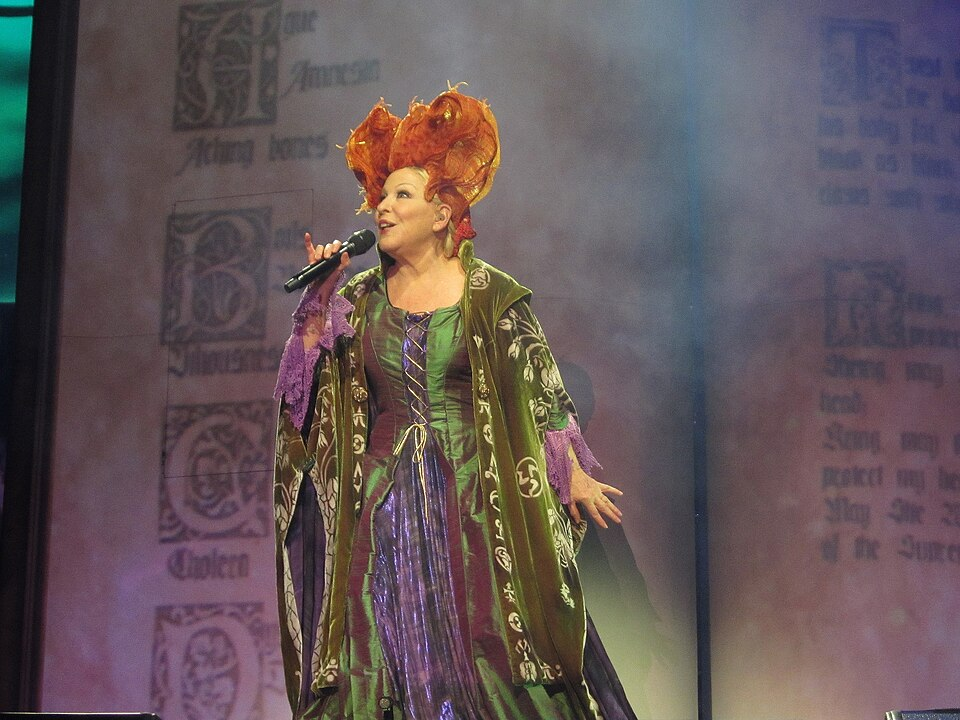
For a movie that has become such a big part of Halloween, Hocus Pocus had a surprisingly disappointing start. Disney released it in July 1993, which was an odd time to introduce a movie about three witches returning to Salem.
The film received poor reviews and didn’t perform particularly well in theaters. But repeated television broadcasts helped introduce it to new generations, and it eventually became a Halloween tradition for many families. The Washington Post explored how the film developed its cult following.
Donnie Darko (2001)
Donnie Darko was never an easy movie to explain. It follows a troubled teenager, a mysterious figure in a rabbit costume, and a storyline involving time travel and alternate realities.
The film had a limited theatrical release and earned very little money initially. But its unusual story gave people plenty to discuss, and DVD releases and word of mouth built a devoted following. It’s now one of the better-known cult films of the early 2000s.
The Iron Giant (1999)
The Iron Giant follows a young boy who befriends an enormous robot that falls from the sky. Despite its heartfelt story and impressive animation, the movie was a major box-office disappointment.
Poor marketing and limited audience awareness contributed to its struggles. Fortunately, home video and television gave more families a chance to discover it. The film has since earned a reputation as one of the most beloved animated movies of its time.
Scott Pilgrim vs. the World (2010)
Scott Pilgrim vs. the World combined romance, comedy, video game references, and comic book-style visuals into something that looked very different from most movies in theaters.
Unfortunately, its unique approach didn’t translate into big ticket sales. The movie underperformed relative to its production budget, but its energetic style and quirky characters helped it find an enthusiastic audience later. It has become especially popular among fans of video games, comics, and alternative comedy.
Big Trouble in Little China (1986)
Kurt Russell stars as a truck driver who gets caught up in a bizarre adventure involving martial arts, magic, and supernatural villains. It’s a strange combination, but that’s exactly why so many people still enjoy Big Trouble in Little China.
Moviegoers weren’t nearly as enthusiastic when it was released in 1986, and it performed poorly at the box office. Home video helped change that, introducing the movie to viewers who appreciated its humor, action, and willingness to be completely ridiculous.
It’s a Wonderful Life (1946)
It’s difficult to picture Christmas without It’s a Wonderful Life, but the movie wasn’t the financial success its creators had hoped for. Despite several Academy Award nominations, it struggled to recoup its production and distribution costs at its original release.
Years later, frequent television broadcasts introduced the film to families who had never seen it in theaters. It eventually became a holiday favorite, with many people making it part of their Christmas viewing traditions. It’s a good reminder that a movie’s first few weeks in theaters don’t always determine how much people will love it years later.