I love a good thrift store find. I love walking into Goodwill or a neighborhood thrift shop and finding something you actually need. I’ve found plenty of great deals over the years, and that’s part of why I keep going back.
But the longer I’ve been thrifting, the pickier I’ve become about what I bring home. I’ve learned that just because something is cheap doesn’t mean it’s worth buying. Some things are hard to clean, others raise safety concerns, and a few simply aren’t worth the trouble.
These are 12 things I’ve learned to leave behind, no matter how tempting the price.
Scratched Nonstick Cookware
I’ve seen plenty of inexpensive nonstick pans at thrift stores, but I avoid ones with scratches, peeling coatings, or obvious wear. Damaged surfaces can affect performance, and it’s hard to know how an older pan was used or cared for. I’d rather look for a good stainless steel or cast iron skillet that can last for years.
Related: Your Old Nonstick Pan Could Be Ready for the Trash If You See These Signs
Stuffed Animals
It’s hard to walk past a cute stuffed animal, especially when it costs next to nothing. But older plush toys can hold dust, odors, and allergens, and some have loose eyes, damaged seams, or stuffing that’s difficult to clean. Unless it’s machine washable and in excellent condition, I usually skip it.
Untested Appliances
I’ve learned not to get too excited about a $10 coffee maker or blender unless I can confirm it actually works. Between worn-out cords, missing parts, and appliances that won’t even turn on, an inexpensive find can quickly become wasted money. If the store won’t let me test it, I’d rather pass.
Upholstered Furniture
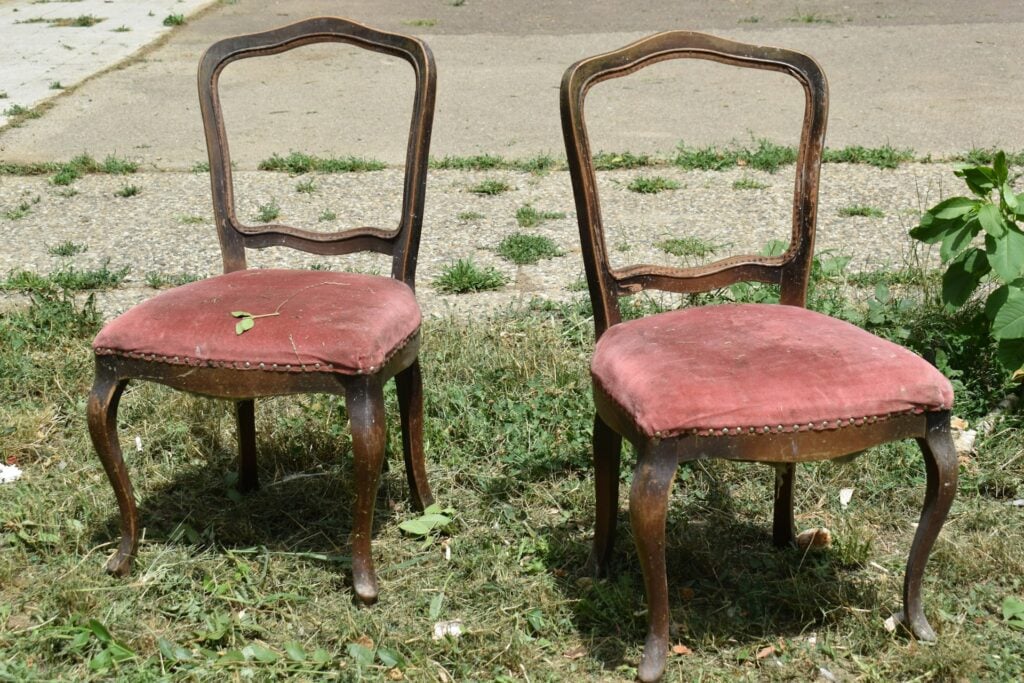
I’ve found some beautiful secondhand couches and chairs, but I usually pass on upholstered furniture. Fabric and padding can trap odors, pet hair, allergens, and even pests that aren’t obvious during a quick inspection. I’d much rather thrift solid wood furniture that I can thoroughly clean and refinish.
Rugs
A gorgeous rug with a low price tag can be hard to resist, but I’ve learned to be careful. Rugs can hold years of dirt, pet odors, and moisture deep in their fibers, and professional cleaning can cost more than the rug itself. Unless I know I can clean it properly, I leave it behind.
Related: What most people get wrong about thrifting
Used Pillows
Decorative pillows might look practically new, but you can’t tell what’s hiding inside the filling. Sweat, oils, dust, and allergens can build up over time, even when the outside looks clean. I’d rather thrift a removable, washable pillow cover and purchase a fresh insert.
Mattresses
I won’t risk a used mattress. You can’t always spot signs of bed bugs, moisture damage, or years of wear just by looking at it. I’d rather spend a little more on a new budget-friendly mattress than bring home something with an unknown history.
Cribs
I love finding affordable things for kids, but I’m not willing to gamble on cribs. Older models may not meet current safety standards, and secondhand cribs can be missing hardware, recalled, or modified in ways that aren’t immediately obvious. For something a baby sleeps in every night, I’d rather know exactly what I’m buying.
Car Seats
I won’t buy car seats from a thrift store because there’s usually no reliable way to verify their history. A seat could have been involved in a crash, have missing parts, or be past its expiration date without showing obvious damage. Buying new gives me confidence that I know its condition and can check the manufacturer’s safety information.
Swimwear and Underwear
I’m all for buying secondhand clothing, but I draw the line at used underwear and swimwear. Between hygiene concerns, stretched-out elastic, and worn fabric, I’m not comfortable bringing these home. I’d rather wait for a sale and purchase them new.
Cheaply Made Furniture
Not every piece of old furniture is worth saving, no matter how attractive the price might be. I’ve learned to look past the paint color and check for wobbly legs, swollen particleboard, peeling veneer, and drawers that barely open. If a piece needs more repairs than it’s worth, I’d rather wait for something better-made.
Cracked or Chipped Dishes
I love finding vintage dishes, but I’ve become much more selective about their condition. Cracks and chips make dishes harder to clean, and I don’t want damaged edges on plates or bowls I use regularly. I’d rather wait for an intact piece I can actually enjoy.