A backyard should feel like a retreat, a place where you can sip your coffee in peace, host friends, garden, or let the kids run around without feeling like you’re on display. But when a neighbor’s window, deck, or second-story balcony looks directly into your yard, that relaxing atmosphere can disappear fast.
The key is creating privacy in a way that feels thoughtful, not confrontational. You don’t need a dramatic 12-foot fence or a sudden landscaping overhaul that screams, “We need space.” With the right approach, you can block sightlines and still keep things neighborly.
Here are smart, practical ways to add backyard privacy without starting a war next door.
Plant a Hedge for a Natural Barrier
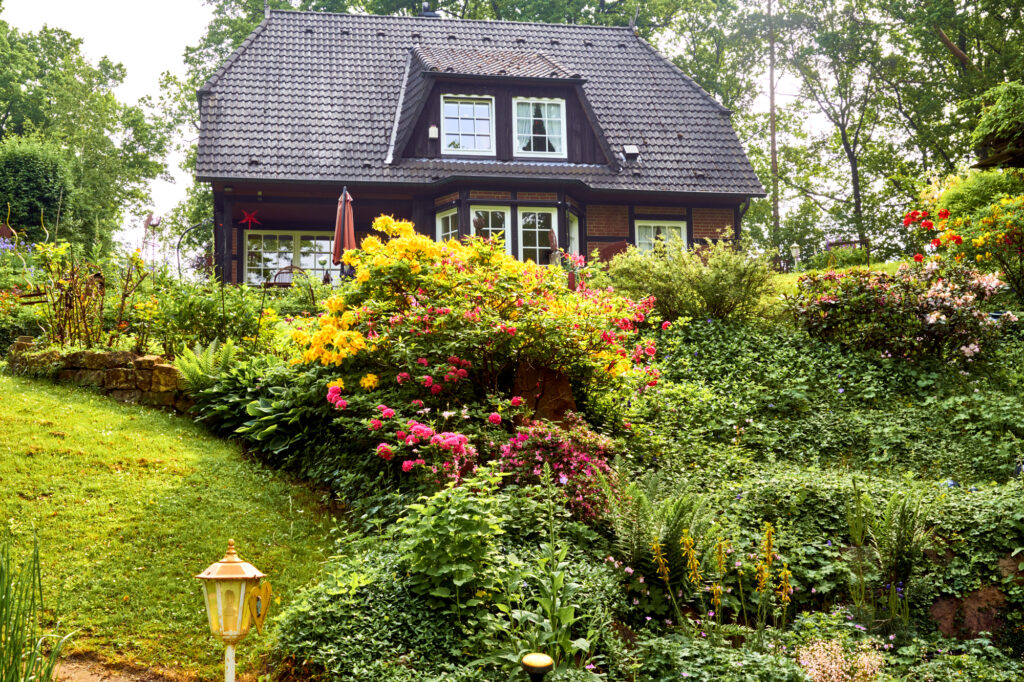
Hedges are one of the most timeless ways to create privacy. They feel intentional and beautiful rather than defensive. Evergreen shrubs, tall ornamental grasses, or fast-growing privacy bushes can form a soft yet effective screen.
If you want year-round coverage, look for evergreen varieties that retain their foliage year-round. A local nursery can help you choose options suited to your climate and soil conditions.
Install a Trellis with Climbing Plants
If you want something lighter and more decorative, install a trellis. These wooden or metal structures support climbing vines, roses, or flowering plants. As they grow, they create a leafy wall that blocks direct views while adding charm.
Trellises are especially helpful for targeting specific sightlines, like a neighbor’s window that lines up with your patio seating area.
Bonus: string lights woven through a trellis instantly make your yard feel cozy at night.
Use Bamboo Carefully

Bamboo creates a dense, modern privacy screen and grows quickly. It’s ideal if you want faster results. However, it spreads aggressively, so it’s best planted in containers or contained with root barriers to prevent it from taking over your yard and possibly your neighbor’s.
When managed correctly, bamboo provides height, texture, and strong visual coverage.
Hang Outdoor Curtains
If your issue is a direct line of sight to a patio or pergola, outdoor curtains can instantly transform the space. Install them along a pergola, gazebo, or freestanding posts for a resort-style look.
Curtains are flexible open them when you want airflow and close them when you want privacy. Choose weather-resistant fabrics that complement your outdoor décor rather than feeling heavy or closed-off.
Add Shade Sails for Style and Coverage
Shade sails aren’t just for blocking the sun. Suspended fabric panels can also interrupt second-story views into your yard. They’re especially useful when a neighbor overlooks your space from above.
Available in different shapes and colors, shade sails add architectural interest while serving a practical purpose.
Plant Tall Trees for Long-Term Privacy
Trees are one of the most effective natural privacy solutions, especially along property lines. Evergreens such as arborvitae, cypress, and pine provide year-round screening.
Before planting, research the mature height and width. You want to block sightlines, not create future issues with overcrowding or encroachment.
Install Lattice Panels
Lattice panels are a simple DIY-friendly solution. They can be attached to existing fences to add height or used as freestanding screens. While partially open, they break up direct views and provide support for climbing plants.
Build a Stone or Masonry Wall
If you’re looking for something permanent and substantial, a stone wall adds both privacy and architectural interest. It can double as a retaining wall or boundary feature.
Because it feels like a design upgrade rather than just a shield, it often blends naturally into the yard without creating tension.
Just be sure to review local regulations regarding height and property lines before building.
Hang Privacy Screens
Retractable or fixed privacy screens are available in wood, metal, or composite materials. These are excellent if you only need coverage for certain times of day.
Screens allow you to adjust your level of privacy without permanently closing off your space.
Try Outdoor Blinds
Outdoor blinds work well on patios or covered decks. Available in roll-up or Roman styles, they can be mounted between posts or along structures to create an enclosed feel when needed.
They’re particularly helpful when neighbors overlook a dining or seating area.
Use Faux Hedges for Instant Coverage
If you don’t want to wait for plants to grow, faux hedge panels offer an immediate solution. Today’s versions look surprisingly realistic and require almost no maintenance.
They’re a great short-term fix while you establish a real landscaping plan.
Install a Water Feature for Distraction
Sometimes privacy isn’t only visual, it’s about atmosphere. Adding a fountain or pond introduces ambient sound that helps mask conversation and reduce awareness of nearby neighbors.
It won’t block sightlines entirely, but it changes the experience of being outside.
Create a Living Wall
Living walls combine vertical gardening with privacy. These structures hold plants in pockets or panels, creating a green wall that acts as both décor and screening.
They’re ideal for smaller yards where planting a full hedge isn’t possible.
Build a Pergola with Added Panels
Pergolas provide structure and partial shade. When paired with lattice panels, curtains, or climbing plants, they become excellent privacy solutions.
A pergola over a seating or dining area helps define space and reduce the feeling of being overlooked.
16 Vining Plants to Cover Your Fences, Arbors, and Pergolas
Install a Fence (Strategically)
Sometimes, a fence is the simplest solution. Choose materials such as wood, vinyl, or metal based on your aesthetic.
Before installing, review local height restrictions and property boundaries. Choosing a style that complements the neighborhood can prevent unnecessary friction.
If a fence falls between neighbors in California, who is responsible for repairs?
Add Shrubs and Large Potted Plants
Strategically placed shrubs, tall grasses, or large planters can block direct sightlines without closing in your yard. This works especially well near patios or pools.
Potted plants also offer flexibility; you can move them as needed.