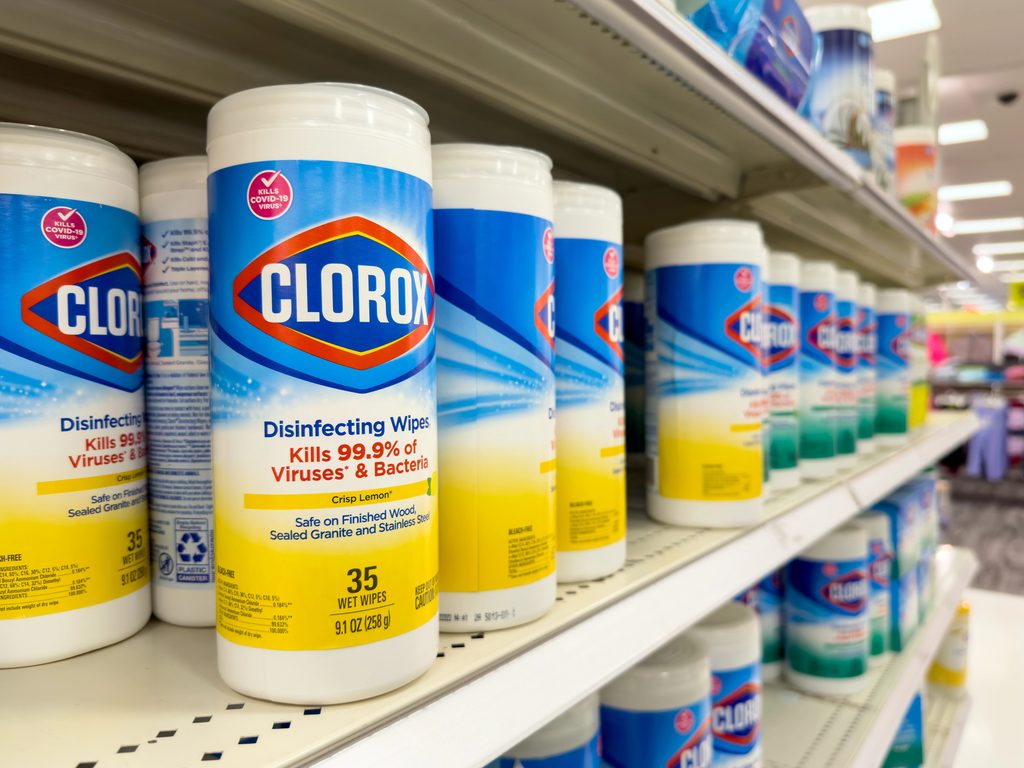
Clorox wipes are handy for cleaning up everyday messes and disinfecting frequently touched surfaces around the house. They’re convenient, easy to use, and save you from pulling out multiple cleaning supplies.
But not everything in your home can handle the ingredients found in disinfecting wipes. Using them on certain materials can damage protective finishes, cause discoloration, or leave behind unwanted chemical residue. Here are 12 things you’re better off cleaning another way.
Delicate Jewelry
Keep Clorox wipes away from jewelry containing pearls, opals, turquoise, and other delicate gemstones. The disinfecting ingredients can damage sensitive stones, dull their appearance, and potentially weaken the adhesives that hold jewelry together.
Clothing and Delicate Fabrics
Reaching for a Clorox wipe to remove a stain from your shirt could make the situation worse. Disinfecting wipes can cause discoloration, leave visible marks, or damage certain fabrics, particularly those made from delicate fibers.
Leather Furniture, Handbags, and Car Seats
Leather needs to retain moisture and natural oils to stay soft and flexible. Regularly wiping it down with Clorox wipes can dry out the material, damage its protective finish, and contribute to cracking or peeling over time.
Unsealed Natural Stone Countertops
Unsealed granite, marble, and other natural stone surfaces can absorb moisture and cleaning ingredients. Using disinfecting wipes on these surfaces may lead to discoloration or residue buildup, particularly on stone that hasn’t been properly sealed.
Eyeglasses and Camera Lenses
Eyeglasses, sunglasses, and camera lenses often have specialized coatings that require gentle cleaning. Clorox wipes may damage these protective layers, leaving lenses cloudy or affecting their anti-glare properties.
Fresh Fruits and Vegetables
Never use Clorox wipes to clean apples, cucumbers, or any other fresh produce. The disinfecting ingredients aren’t intended for consumption and can leave chemical residue on food, even after the surface appears dry.
Related: 15 Incredible Ways to Repurpose Used Coffee Grounds
Unfinished Wood
Unlike sealed wood, unfinished wood readily absorbs moisture and whatever cleaning solution it comes into contact with. Wiping it down with Clorox wipes can cause discoloration, swelling, and uneven patches that may be difficult to remove.
Upholstered Furniture and Carpets
Standard Clorox Disinfecting Wipes are intended for hard, nonporous surfaces, not fabric-covered furniture or carpeting. Using them on porous materials can leave behind residue, create visible stains, or cause certain fabrics to lose their color.
Dishes and Food Storage Containers
Clorox wipes shouldn’t replace regular dishwashing when cleaning plates, bowls, utensils, or reusable food containers. Disinfecting ingredients can leave behind chemical residue, and food-contact surfaces treated with these wipes require thorough rinsing with potable water.
Related: 10 Things That Don’t Belong in Plastic Storage Containers
Charging Ports and Electronic Openings
Avoid using Clorox wipes inside charging ports, headphone jacks, speakers, and other openings on electronic devices. Moisture from the wipes can seep into internal components, potentially causing corrosion, electrical problems, or permanent damage.
Your Hands and Skin
Clorox disinfecting wipes are designed for household surfaces, not personal hygiene. Using them to clean your hands or other parts of your body can cause dryness, redness, and skin irritation.
Pet Food and Water Bowls
Wiping down your pet’s food or water bowl with Clorox wipes can leave behind chemical residue that your pet may ingest if the bowl isn’t thoroughly rinsed. Regular washing with dish soap and water is a better option for removing food particles, saliva, and everyday buildup.