A lot of household clutter comes from things we don’t use, need, or even particularly like. We hold onto them because throwing them away feels wrong. Maybe someone gave us a gift, we spent too much money on a purchase, or we keep telling ourselves we’ll find a use for something someday.
A Talker Research survey found that 46% of adults still keep belongings at their parents’ homes. Sentimental attachment is one of the main reasons people hold onto possessions for years. Licensed clinical psychologist Dr. Augusto Blanco explains that people may fear regretting a decision or feel attached to what an item represents, even if they no longer have a practical use for it.
If your home is getting crowded, take a look at these common sources of guilt-driven clutter. You might find a few things you’re ready to part with.
Gifts You Never Actually Liked
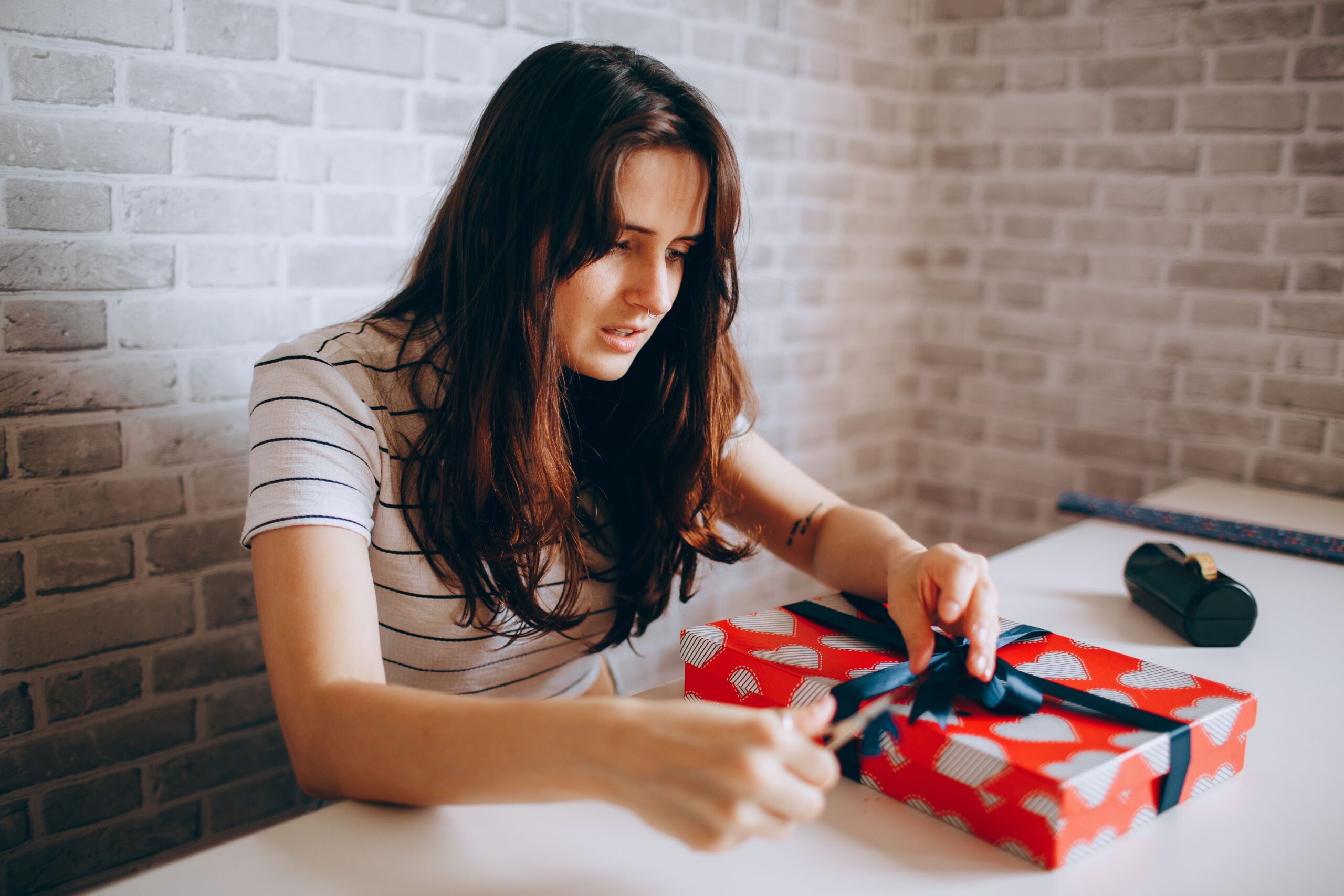
A gift doesn’t have to stay in your home forever just because someone gave it to you. The thought behind it can still matter, even if the item itself doesn’t suit your taste or fit your life.
Related: 12 Things to Never Buy at Home Depot
Expensive Purchases That Didn’t Work Out
Exercise equipment, kitchen gadgets, and pricey clothes can be hard to part with because you remember how much you paid for them. Keeping something you never use won’t bring that money back, and it continues taking up room.
Related: 5 Things You Should Think Twice About Googling
Family Heirlooms You Feel Obligated to Keep
Inherited furniture, antique dishes, and family keepsakes can come with a lot of emotional pressure. Keep the pieces that mean something to you, but don’t feel that every item has to stay in the family.
Related: 15 Things to Never Buy From BJ’s Wholesale Club
Clothing That Doesn’t Fit
Many people hold onto clothes because they hope they’ll fit again someday. If you’ve kept the same pieces for years without wearing them, consider making room for clothes that suit your life now.
Related: 15 Things in Your House That Could Accidentally Harm Your Pets
Hobby Supplies From a Hobby You Quit
Yarn, craft kits, musical instruments, and sports equipment can be reminders of interests you once had. It’s okay to move on from a hobby, and someone else might get more use out of those supplies.
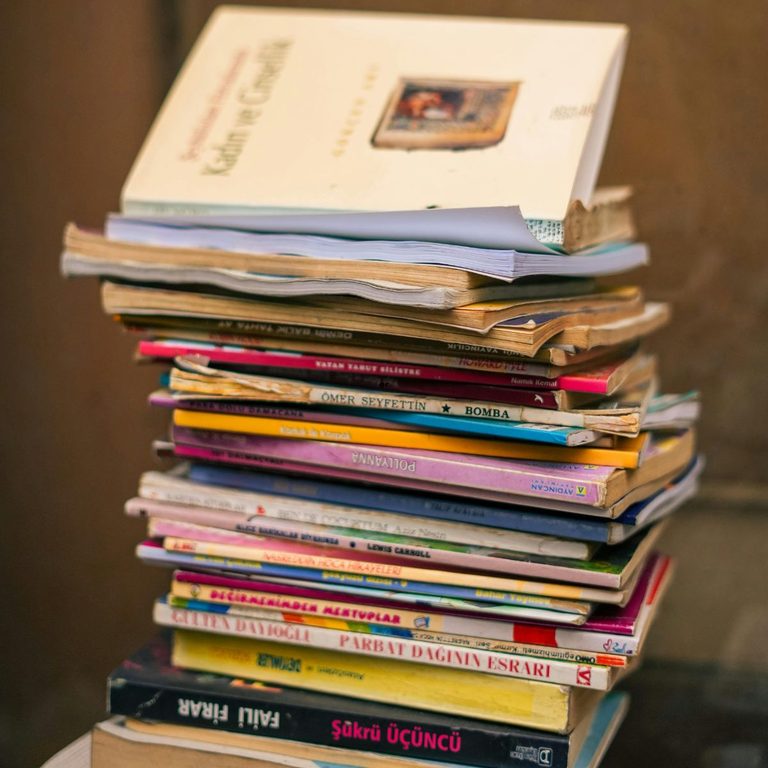
Books You Feel Like You Should Read
A shelf full of unread books can become a reminder of all the reading you planned to do but never got around to. If certain titles have sat untouched for years, pass them along to readers who are more likely to pick them up.
Childhood Keepsakes You Never Look At
A few childhood mementos can bring back wonderful memories, but entire boxes of old belongings may be more than you need. You can keep the pieces that matter most without holding onto every toy, school project, or souvenir.
Furniture You’re Saving “Just in Case”
Spare chairs, old dressers, and unused coffee tables often stay in storage because they might come in handy someday. If they’ve been sitting untouched for years, consider whether the space they’re taking up is worth keeping them.
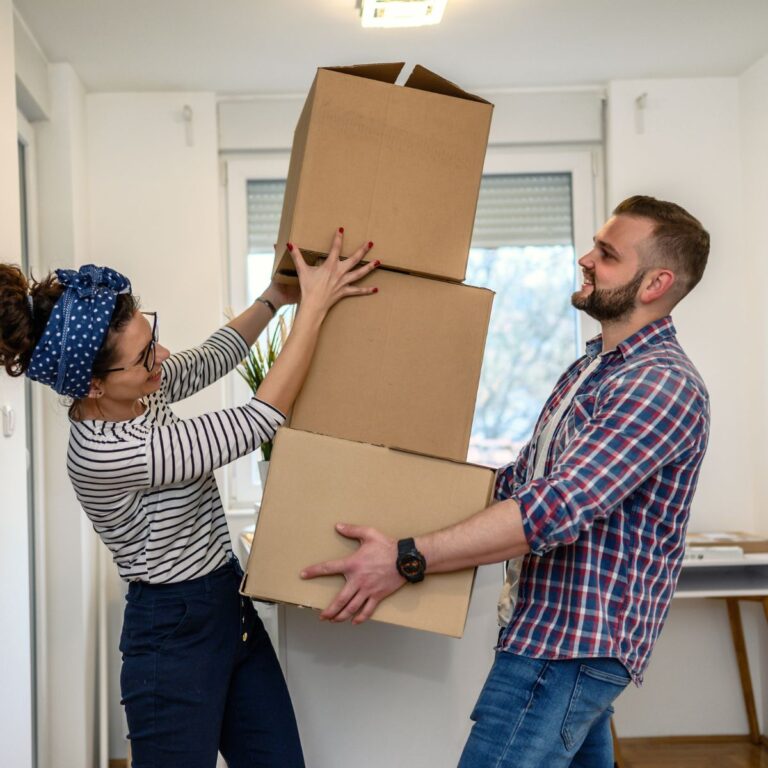
Boxes You Haven’t Opened Since You Moved
Some boxes get carried from one home to the next without anyone checking what’s inside. If you haven’t needed those belongings through several moves, there’s a good chance you can let most of them go.
Duplicates You Keep as Backups
Extra mugs, kitchen utensils, blankets, and tools can pile up because having a spare seems sensible. Keep a reasonable backup if you use it, but there’s little reason to store more than your household can realistically need.
Collections You No Longer Enjoy
Figurines, dolls, memorabilia, and decorative pieces can start feeling like responsibilities once the excitement of collecting fades. You don’t have to keep every piece just to avoid breaking up a collection.
Things You’re Saving Because Someone Else Might Want Them
Parents and grandparents sometimes hold onto boxes of belongings because they expect their children or grandchildren to want them someday. The Talker Research survey points to how personal sentimental value can be, and younger family members may not feel the same attachment to those possessions.