The 1970s were a decade when home design wasn’t afraid to make a statement. Bathrooms became places to experiment with bold colors, unusual textures, and eye-catching fixtures. From bright-colored sinks to carpeted floors, many homeowners embraced styles that felt modern and exciting at the time.
But tastes change, and some of those once-popular bathroom choices have become reminders of a very different era. Many were difficult to clean, impractical for everyday life, or simply didn’t fit the way people use bathrooms today.
Here are some of the most memorable bathroom features from the ’70s that have mostly disappeared from modern homes.
Tiled Bathtub Surrounds
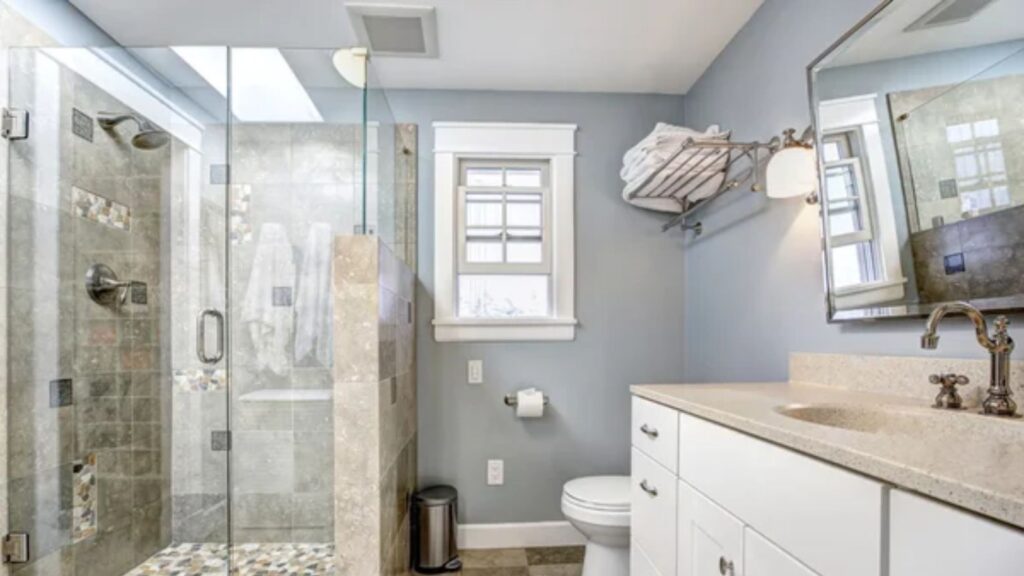
In many 1970s bathrooms, the bathtub was surrounded by rows of matching tiles that stretched across large sections of the wall. The look was meant to feel polished and complete, often with decorative borders or built-in shelves.
The problem was maintenance. All those grout lines required regular cleaning, and outdated tile colors could make the entire bathroom feel stuck in the past. Modern designs often favor fewer seams and simpler surfaces that are easier to keep clean.
Harvest Gold and Avocado Green Toilets
The 1970s loved color, and bathrooms were no exception. Toilets, sinks, and tubs came in shades like harvest gold, avocado green, and even pastel pink.
At the time, these colors were considered stylish and coordinated. Today, they instantly remind many people of older homes that haven’t been updated in decades. White and neutral fixtures became more popular because they blend with changing styles and are easier to replace.
Carpeted Bathroom Floors
A carpeted bathroom floor might sound strange today, but it was once viewed as a cozy upgrade. Soft flooring underfoot seemed appealing, especially during colder mornings.
The reality was less appealing. Bathrooms are naturally exposed to moisture, spills, and humidity, which makes carpet difficult to keep fresh and sanitary. The trend eventually faded as homeowners moved toward tile, vinyl, and other water-resistant materials.
Sunken Bathtubs
Sunken bathtubs were meant to bring a luxurious, spa-like feeling into the home. Instead of stepping over a tub wall, homeowners could step down into a lowered bathing area.
While dramatic, these tubs came with drawbacks. The change in floor height created a tripping hazard, and they were often expensive and complicated to update. Today’s bathrooms usually focus more on comfort, safety, and easy access.
Plastic Laminate Countertops
Laminate countertops were everywhere in the 1970s because they were affordable and available in countless patterns. Many were made to resemble stone, wood, or other expensive materials.
Although practical at first, they often showed wear over time. Scratches, chips, and outdated patterns made them less appealing compared with newer countertop materials that handle daily use better.
Bold Patterned Wallpaper
Bathroom wallpaper in the ’70s was anything but subtle. Geometric prints, floral designs, metallic finishes, and bright colors were common choices.
While these patterns could make a statement, they often overwhelmed smaller bathrooms. Moisture was another problem, causing peeling and damage over time. Many homeowners eventually replaced busy wallpaper with paint or simpler wall finishes.
Hollywood Vanity Lighting
Those rows of exposed bulbs around bathroom mirrors were a signature look of the era. They created a dressing-room feel and provided plenty of light.
The downside was that the lighting could be harsh and unflattering. Modern bathrooms tend to use layered lighting that feels softer and more natural.
Pastel-Colored Sinks
Pink, blue, yellow, and green sinks were once considered stylish additions to a bathroom. They gave the rooms personality and matched other colorful fixtures.
The issue was that these colors were closely tied to a specific decade. Once trends changed, replacing one colored fixture often meant updating the entire bathroom. Neutral sinks became the safer choice for many homeowners.
Shell-Shaped Sinks
Decorative sinks shaped like seashells were another example of 1970s creativity. They were meant to bring a playful, coastal feel into bathrooms.
Unfortunately, unusual shapes often sacrifice practicality. Cleaning awkward curves could be difficult, and the designs didn’t always work well for everyday use.
Wood Paneling
Wood paneling was a major home trend during the 1970s, and some homeowners brought it into their bathrooms. It added warmth and a natural look to the space.
Bathrooms, though, are not the easiest place for wood-based materials. Constant exposure to moisture can lead to swelling, staining, and damage. Many people eventually replaced it with materials better suited for damp areas.
Fuzzy Toilet Seat Covers
A fuzzy toilet seat cover was once a popular way to add softness and match bathroom décor. Some sets even included matching rugs and tank covers.
Today, these accessories are often viewed as difficult to clean. Fabric around a toilet can collect dust and moisture, making it less practical than smooth, washable surfaces.
Mirror Tile Walls
Mirror tiles were used to make bathrooms feel larger and more glamorous. Covering walls with small mirrored squares created a good, reflective effect.
The problem was keeping all those individual tiles clean. Fingerprints, water spots, and streaks were much harder to manage compared with a single large mirror.
Pedestal Sinks Without Storage
Pedestal sinks had a sleek, simple appearance and were common in many older bathrooms. They worked well in small spaces but came with one major drawback: almost no storage.
Modern bathrooms often need room for toiletries, towels, and everyday items, which is why vanities with drawers and cabinets have become more common.
Glass Block Walls
Glass blocks were a popular way to separate bathroom areas while still allowing light to pass through. They felt modern and futuristic during the 1970s.
Over time, though, many people began to see them as bulky and dated. Today, clear glass panels and cleaner shower designs have largely replaced the look.
The 1970s left behind plenty of memorable home trends, and bathrooms were one of the places where designers took the biggest risks. While some of these features may bring back nostalgic memories, most have been replaced by designs that focus more on comfort, easy cleaning, and everyday function.