Clutter builds up little by little. A few things get pushed to the back of a cabinet, old belongings sit untouched in drawers, and before long, you’re storing items you haven’t needed in years.
Clearing out things you no longer use can make your home easier to manage and give you more room for everyday necessities. Start with these common household items, and you may find that getting organized takes less effort than you expected.
Expired Pantry Items
Old cans, baking mixes, forgotten snacks, and half-used bags of ingredients can easily get lost at the back of a pantry. Check dates and packaging, discard food that shows signs of spoilage, and move items you plan to keep to a place where you can see them.
Related: The Cheap Pantry Staple That Clears Stubborn Toilet Clogs Instantly
Old Spices
Dried herbs and spices gradually lose their aroma and flavor, leaving your favorite meals tasting a little flat. Smell each jar and replace the ones that have lost their scent, especially spices you rely on for everyday cooking.
Related: 10 Foods You Should Keep Out of Your Blender Even If It Seems Convenient
Broken Kitchen Appliances
That toaster that barely works or the blender you’ve been meaning to repair may be taking up cabinet space for no good reason. Decide whether a repair is worth the cost, then recycle the appliance through an appropriate program if fixing it no longer makes sense.
Related: 15 Vintage Appliances That Are Surprisingly Valuable Today
Outdated Electronics
Old phones, tangled charging cables, worn-out headphones, and mystery cords often end up forgotten in drawers. Recycle electronics through a suitable collection program, and keep only accessories that work with devices you still own.
Related: 12 Old Electronics That Are Now Considered Vintage
Worn-Out Bed Linens
Sheets can become thin, rough, or stretched after years of washing, making them less comfortable to sleep on. Turn usable old sheets into cleaning cloths or packing material, and donate them only if they’re in good condition and the organization accepts bedding.
Expired Medications
Medicine cabinets can hide bottles and packages that have been sitting untouched for years. Check expiration dates regularly and take unwanted or expired medicine to a drug take-back location or follow the disposal instructions on the label.
Old Makeup
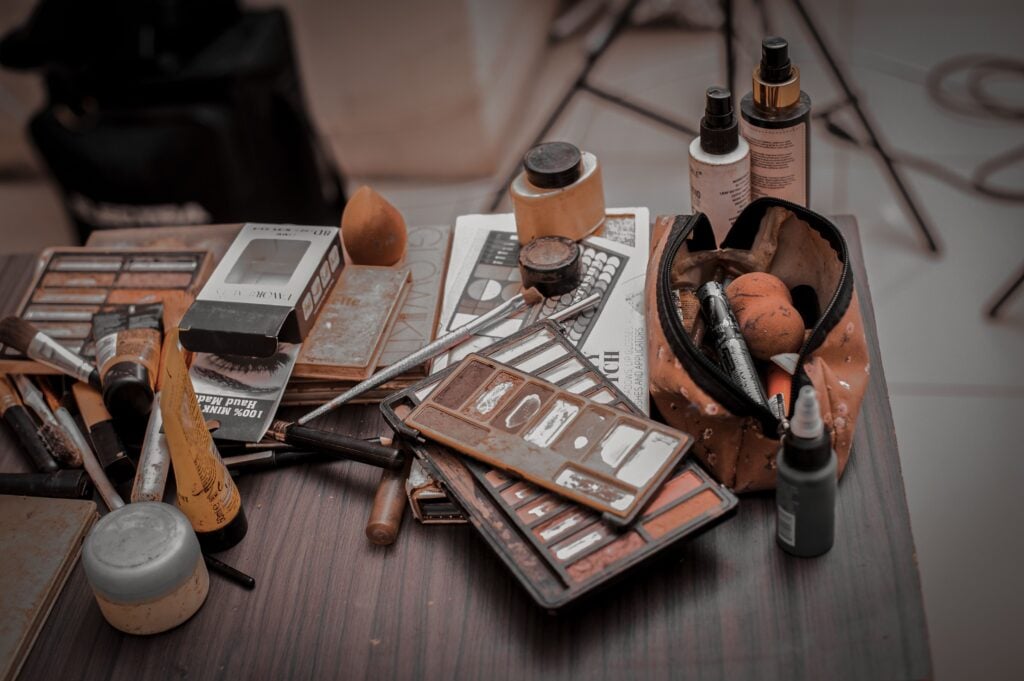
Mascara, foundation, and other cosmetics can change in smell, texture, or performance as they age. Check product labels for storage and replacement guidance, and discard makeup that has changed noticeably or causes irritation rather than keeping it in your drawer.
Mismatched Socks
Single socks tend to pile up after laundry day, especially when their partners seem to disappear without a trace. Give yourself a deadline to find the missing pairs, then recycle or repurpose the leftovers if there’s no chance they’ll be worn again.
Damaged Food Storage Containers
Cracked, warped, stained, or lidless food containers can make kitchen cabinets harder to manage. Keep the pieces that are still in good condition, and check local recycling rules before disposing of damaged plastic containers.
Old Magazines and Newspapers
Stacks of magazines and newspapers can take over coffee tables, shelves, and spare corners before you realize how much you’ve accumulated. Recycle old issues you no longer read, keeping only those with useful information, recipes, or memories worth saving.
Broken or Unused Toys
Children outgrow toys, and years of play can break items or leave them missing important parts. Donate clean toys in good condition, and discard damaged items that cannot be safely repaired.
Old Towels
Towels often become thin, frayed, or less absorbent after years of regular washing. Keep a few older ones for cleaning spills, washing the car, or handling messy jobs, then recycle or discard those that are too worn to be useful.
Expired Bathroom Products
Bathroom cabinets can fill up with half-empty lotion bottles, old sunscreen, dried-out toiletries, and products nobody reaches for anymore. Check dates and product condition, discard anything expired or spoiled according to its label, and keep the items you regularly use within easy reach.