I used to order nearly everything from Amazon, from kitchen gadgets and storage bins to phone chargers and little things for the house. It was quick and convenient, so I rarely thought about checking anywhere else before placing an order.
That changed after I discovered Amazon bin stores, where returned goods, excess inventory, and liquidation merchandise sell for much less than their original retail prices. Since then, I’ve found plenty of everyday items at bargain prices, and browsing the bins has become a fun way to shop without spending as much.
If you’ve never visited one, the piles of merchandise might look a little chaotic at first. Once you learn how the pricing works and what to check before buying, it’s easier to spot worthwhile finds and avoid bringing home things you don’t need.
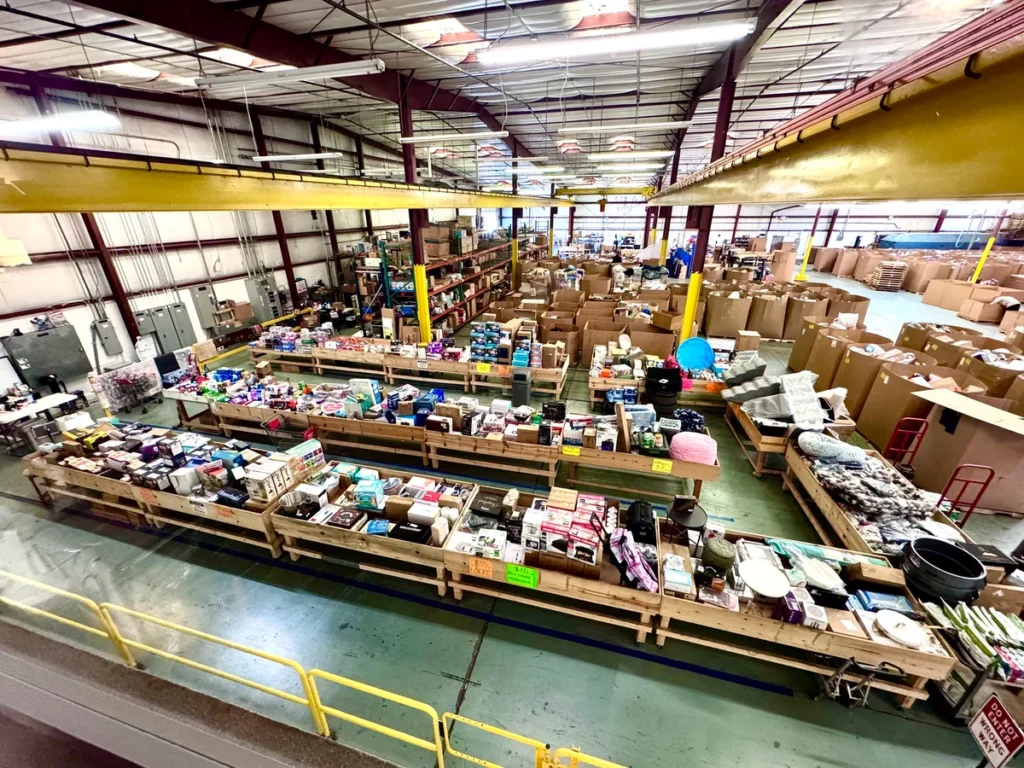
What Is an Amazon Bin Store?
An Amazon bin store is a discount shop that sells liquidation goods, customer returns, overstock, and other merchandise from major retailers. Instead of arranging everything on regular shelves, these stores place many items in large bins where shoppers search for bargains.
You might find kitchen tools, phone accessories, toys, beauty products, storage containers, pet supplies, small electronics, and seasonal decorations in a single visit. The selection changes often, so you never know exactly what you’ll find.
Related: 8 Things Thrift Store Workers Wish Donors Knew Before Dropping Items Off
How Amazon Bin Stores Work
Many bin stores use a set pricing schedule, with every item in the bins sold for the same price on a given day. New merchandise may arrive on restocking day, and prices drop over the following days until the next shipment arrives.
For example, a store might charge $10 per item on Friday, $8 on Saturday, and $6 on Sunday, with prices dropping further later in the week. Some shoppers prefer visiting early for the widest selection, while others wait for lower prices and take their chances on what’s left.
Related: 8 Grocery Store Purchases Frugal Shoppers Rarely Put in Their Carts
Why People Love Shopping at Bin Stores
The biggest draw is the chance to find useful items for a fraction of their regular retail price. Finding a product that sells online for $40 sitting in a bin for just a few dollars can feel like a real win, especially if it’s something you already planned to buy.
There’s also the fun of never knowing what might turn up on a shopping trip. One visit could bring home organizers, cleaning supplies, and batteries, while the next might reveal kitchen tools, small appliances, or a household item you’ve been eyeing online.
Related: 10 Thrift Store Finds That Might Sell for Much More Than You Paid
What You’ll Usually Find
Bin store inventory can change from one day to the next, so the selection rarely stays the same for long. Depending on the shipment, you might come across office supplies, phone accessories, beauty products, pet items, toys, home décor, small electronics, or seasonal goods.
These shops work best for people who enjoy browsing rather than shoppers searching for one exact product. If you go in with an open mind and a list of items you actually need, you may leave with a few good finds without overspending.
Related: 9 Products From the ’80s That Would Never Make It to Store Shelves Today
How They’re Different From Thrift Stores
Traditional thrift stores mainly sell donated goods from individuals and households, including used clothing, furniture, books, and kitchenware. Bin stores usually focus more on customer returns, excess stock, shelf pulls, and liquidation merchandise from retailers.
Some items are brand new and still in their original packaging, while others have opened boxes, damaged packaging, missing accessories, or signs of use. Checking the condition before paying matters because a low price doesn’t always mean the item is worth buying.
A Few Things to Watch For
Bin store prices can be tempting, but it’s worth taking a moment to inspect an item before putting it in your cart. Check for missing parts, broken pieces, damaged cords, and signs of use, and test products when the store allows it.
Some stores have rules about returns, refunds, and testing merchandise, so ask about the policy before buying anything expensive. The best bargains are items you’ll use, that work as expected, and that still cost less than buying them elsewhere.