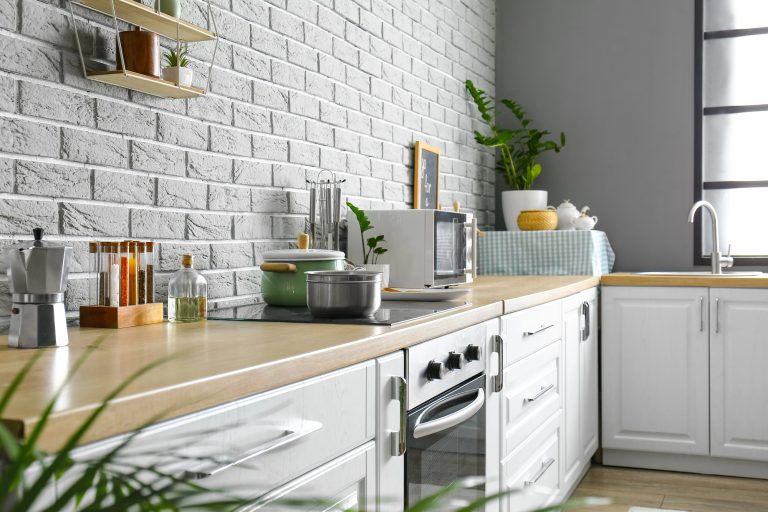
Decluttering sounds great until you picture spending an entire Saturday pulling everything out of closets and creating an even bigger mess than the one you started with. Fortunately, getting clutter under control doesn’t have to mean tackling your entire house at once.
Small rules and short decluttering sessions can make a noticeable difference, especially when they’re easy enough to repeat. Instead of waiting until you have hours to spare, try these 14 ideas to get rid of what you don’t need and keep everyday clutter from piling up again.

Start With Just One Drawer
Don’t start with the garage, basement, or an overflowing storage room. Pick one manageable spot, such as a junk drawer, bathroom cabinet, or nightstand, and finish it completely before moving on to something else.
Get Rid of One Thing Every Day
One item doesn’t sound like much, and that’s precisely what makes this approach so easy to stick with. Put one unwanted item in the trash, recycling, or donation pile each day, and you’ll have removed 365 things over the course of a year.
Follow the One-In, One-Out Rule
Every time something new enters the house, choose something similar that can leave. A new pair of shoes might mean an old pair gets donated, while a new coffee mug could replace the chipped one taking up space in the cabinet.
Keep a Donation Box Going
Instead of organizing a big decluttering session every time you find something you no longer want, keep a designated donation box somewhere convenient. Drop items into it as you come across them, then take the full box to a donation center.

Try the Four-Box Method
When a cluttered area needs more attention, grab four containers and label them keep, donate, sell, and trash or recycle. Giving every item an immediate destination prevents you from creating a new pile of things you’ll have to sort again later.
Give Yourself a 10-Minute Timer
Set a 10-minute timer and see how much clutter you can clear before it goes off. Knowing there’s a definite stopping point makes it much easier to start, and you may be surprised by what you can accomplish in such a short amount of time.
Give Problem Categories a Space Limit
Instead of repeatedly deciding whether you own too many mugs, towels, beauty products, or kitchen gadgets, decide how much space that category is allowed to occupy. Once the drawer, shelf, basket, or cabinet is full, something has to leave before something else can come in.
Use the 12-12-12 Trick
Find 12 things to donate, 12 things to throw away or recycle, and 12 things that simply need to be returned to their proper places. In one quick round, you’ve dealt with 36 pieces of clutter without attempting to organize an entire room.
Declutter While You’re Waiting for Something Else
Use those few minutes while the coffee brews, dinner cooks, or laundry finishes to tackle a small nearby area. Empty expired food from one refrigerator shelf, sort a kitchen drawer, or clear the pile that’s been accumulating on the counter.
Stop Creating a “Deal With It Later” Pile
A pile of things to deal with later has a way of becoming a permanent fixture. When something is already in your hand, take the extra few seconds to put it where it belongs rather than placing it somewhere you’ll have to deal with again.
Use a Maybe Box for Things You Can’t Decide About
Indecision can bring an otherwise quick decluttering session to a halt, so put questionable items into a box instead. Date it and revisit it in a few months, and if you haven’t needed or thought about what’s inside, letting those things go may be much easier.
Take Five Things With You When You Leave a Room
Before leaving a room, look for five things that belong somewhere else and take them with you. This turns ordinary trips around the house into tiny cleanup sessions without setting aside separate organizing time.
Digitize Paper You Don’t Need to Keep Physically
Instruction manuals, old receipts, documents, and photographs can consume drawers and filing cabinets even when they’re rarely touched. Scan what makes sense to keep digitally, back it up securely, and shred or recycle the originals when you’re confident a physical copy isn’t necessary.
Ask Three Questions and Move On
When you’re stuck deciding whether something deserves space in your home, ask: Do I use it? Do I love it? Would I realistically miss or replace it if it disappeared? If the answer to all three is no, you’ve probably found something that can leave.