Dropping off a few bags at Goodwill often feels like a win-win. You clear out clutter, someone else gets a good deal, and perfectly usable items stay out of the landfill. But what many people don’t realize is that donation centers sort through massive amounts of inventory every single day, and not everything actually makes it onto the sales floor.
In fact, some of the most commonly donated items are now among the first things workers toss aside due to damage, safety concerns, hygiene issues, or simply because stores receive far too many. Here are a few things people used to donate all the time that thrift stores now often throw away instead.
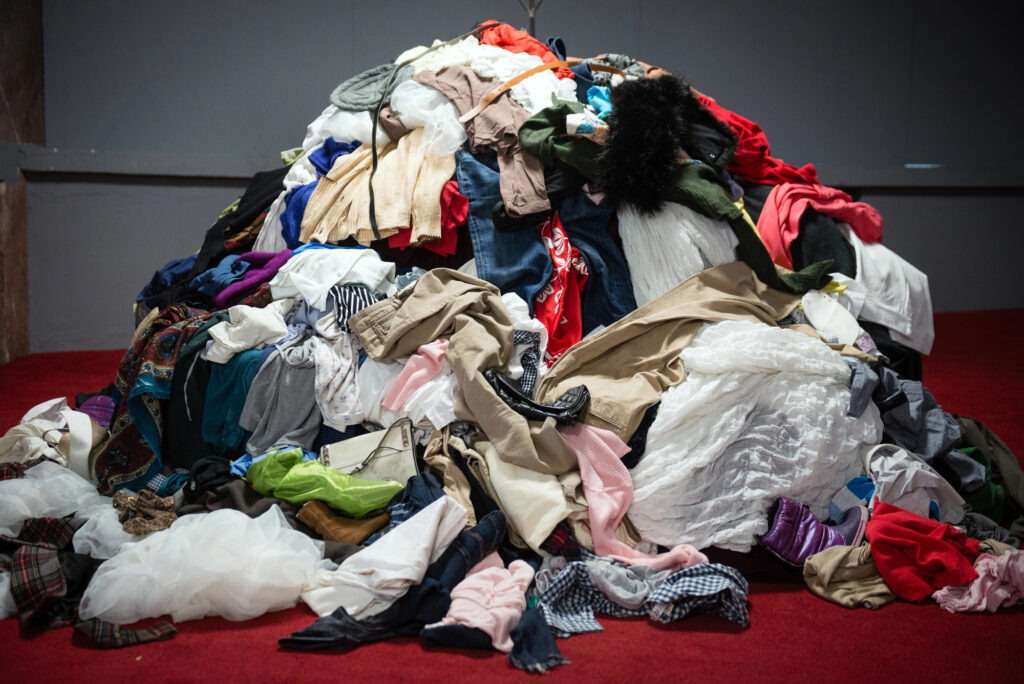
Moldy or Damp Donations
One damp donation bag can ruin an entire sorting bin. Clothes, books, blankets, or furniture stored in garages, sheds, or basements often arrive with mildew smells or visible mold, and once contamination spreads, workers usually have no choice but to throw the items away.
This is especially common after rainy donation drop-offs, where bags sit outside too long. Many thrift stores say moisture damage is one of the fastest ways for donations to end up in the trash.
Heavily Stained or Worn Clothing
Clothing may be one of the most donated items, but it’s also one of the most frequently discarded. Shirts with yellowed collars, strong odors, stretched fabric, pet hair, or permanent stains are usually pulled out immediately during sorting because they’re unlikely to sell.
Even small issues, like excessive pilling, can now land clothing in the reject pile. Most thrift stores simply receive too much inventory to spend time repairing items that shoppers probably won’t buy anyway.
Broken Kitchenware and Household Items
Cracked dishes, chipped mugs, broken glassware, and damaged cookware rarely make it to the shelves anymore. Stores have become much stricter about selling anything that could potentially injure a customer.
Even small chips on plates or mugs are often enough for rejection now. If an item isn’t safe to use immediately, most donation centers won’t risk putting it out for sale.
Old Electronics That No Longer Work
Years ago, thrift stores accepted almost every VCR, DVD player, printer, or stereo system that came through the door. Now, outdated or non-functioning electronics are among the biggest categories that often get tossed because properly testing, repairing, and recycling them takes time and money.
Missing cords, dead batteries, cracked screens, or obsolete technology usually mean the item won’t make it to the sales floor. Many stores simply don’t have the staff or resources to handle large amounts of electronic waste anymore.
Used Mattresses and Certain Upholstered Furniture
Mattresses are one of the most commonly rejected donations today due to bed bug concerns, stains, odors, and sanitation regulations. Many thrift stores are legally prohibited from reselling used mattresses unless they meet very specific cleaning and safety standards.
The same goes for heavily worn upholstered furniture. Couches, recliners, and fabric chairs with pet damage, smoke odors, stains, or signs of pests are often discarded immediately because they’re too risky or expensive to process.