Food and water usually get most of the attention when people talk about emergency preparedness. That makes sense, but anyone who has dealt with a long power outage, major storm, or store shortage knows there are plenty of other things you suddenly wish you had at home.
Being prepared also means having what you need to cook a meal, stay warm, make a basic repair, keep things clean, and deal with everyday problems when a trip to the store isn’t an option. A lot of these supplies aren’t exciting, but they’re the kind of things you’ll be glad to have when you need them.
If you’re putting together an emergency stash, here are some useful supplies to keep alongside your food and water.
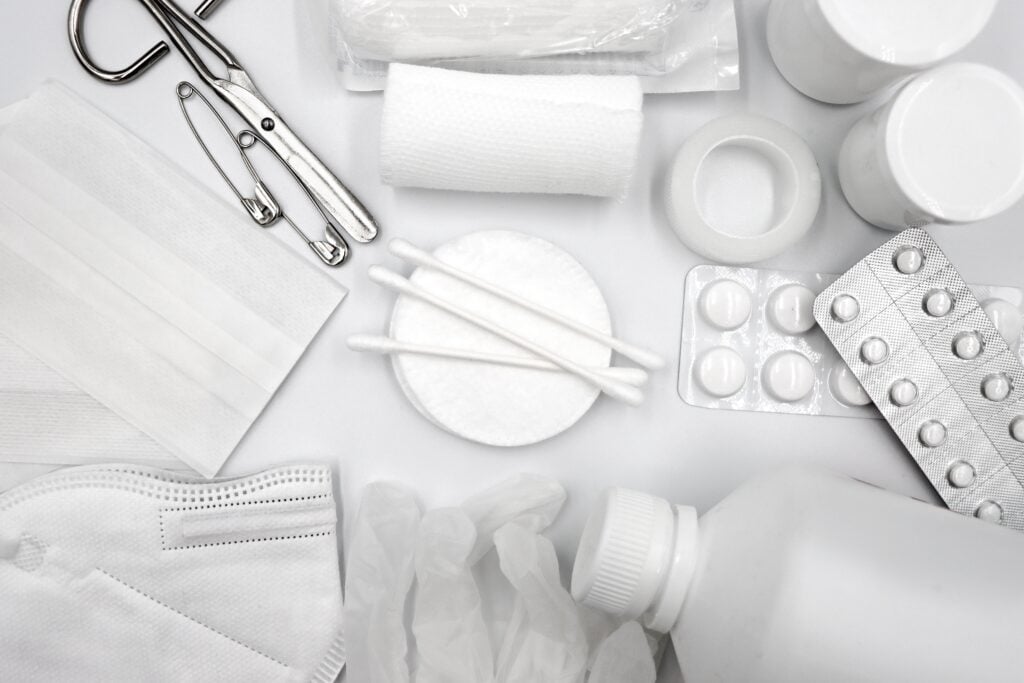
First Aid Supplies and Medications
A good first aid kit deserves a spot in every emergency supply area. A minor cut, burn, blister, or headache can become much harder to deal with when stores are closed or getting to a pharmacy isn’t easy.
Keep basics such as bandages, gauze, antiseptic wipes, medical tape, antibiotic ointment, and pain relievers on hand. If you take prescription medication, ask your doctor or pharmacist about safe options for keeping an appropriate backup supply.
Personal Hygiene Products
Hygiene supplies can disappear from store shelves quickly during storms and other emergencies. Things like soap, toothpaste, toilet paper, deodorant, diapers, and feminine hygiene products are easy to overlook until you’re running low.
Keeping a few extras in a closet doesn’t take much space, and it means you won’t have to worry about these basic needs if shopping becomes difficult for a few days or longer.
Seeds
If you grow a garden, a supply of good-quality seeds can give you another way to produce food at home. Heirloom varieties are often popular with gardeners because seeds can be saved from mature plants and used for future crops, depending on the variety and growing conditions.
Beans, squash, tomatoes, lettuce, peas, and other crops can be useful choices. Pick varieties that are suited to your local growing season rather than buying a large collection of seeds you’ll have trouble growing.
Related: 15 Basic Survival Skills Worth Knowing Before an Emergency
Fuel
Fuel becomes especially important during a power outage or severe weather event. Depending on your home and equipment, you might rely on firewood, propane, gasoline, or another approved fuel source for cooking, heating, generators, or outdoor equipment.
Store fuel according to local safety rules and the instructions for the equipment that uses it. It’s also smart to know how much fuel your generator or other equipment actually uses so you have a realistic idea of how long your supply will last.
Lighting
A dark house gets difficult to manage pretty quickly, especially if the outage lasts overnight. Keep several flashlights, lanterns, spare batteries, and rechargeable lights where you can find them easily.
Solar lights and rechargeable lanterns can be useful since they don’t depend entirely on disposable batteries. Candles can provide light too, but they come with a fire risk, so never leave them burning unattended.
Sewing Kit and Fabric
A small sewing kit can take care of plenty of problems around the house. Needles, thread, scissors, safety pins, buttons, patches, and a measuring tape can help you repair clothing, bedding, bags, and other fabric items instead of replacing them.
A little extra fabric can also come in handy for patches, repairs, cleaning rags, or simple household projects. You don’t need a huge supply; a small container with the basics can cover many everyday repairs.
Related: Keep These Emergency Supplies in Your Car Before the Next Snowstorm
Yarn and Knitting or Crochet Supplies
If you already know how to knit or crochet, keeping extra yarn and supplies around gives you another way to make and repair useful items. Hats, socks, scarves, blankets, and other warm clothing can be made at home when replacing them isn’t convenient.
Wool is particularly useful for cold weather because it can retain warmth even when it gets damp. These frugal ways to stay warm can also help when you’re trying to stay comfortable without relying entirely on your heating system.
Canning and Fermenting Supplies
If you grow your own food or buy produce in bulk, canning and fermentation supplies can help you make better use of what you have. Mason jars, canning lids, a jar lifter, fermentation weights, and other basic supplies are useful additions to a home food-preservation setup.
It’s important to follow tested canning recipes and safe food-preservation practices. Fermentation also requires proper methods and clean equipment, so take the time to learn the process before storing large quantities of food.
Tools and Rope
A basic set of hand tools can save you from a lot of headaches during an emergency. A hammer, screwdrivers, adjustable wrench, pliers, utility knife, tape measure, and other common tools can handle many simple household repairs.
Rope and paracord are handy too. They can be used for tying down loose items, securing tarps, hanging gear, bundling materials, and handling many temporary repairs around the house or yard.
Related: 21 Emergency Essentials That Are Easy to Forget Until You Need Them
Water Purification Methods
Stored water is a good starting point, but having a backup way to treat water gives you another option if your supply runs low. Water purification tablets, portable filters, and gravity-fed filtration systems can all be useful, depending on the situation and the type of water you’re treating.
Don’t assume every filter or tablet removes every possible contaminant. Check the manufacturer’s instructions and know what your chosen method is rated to remove before you need it.
Tarps and Plastic Sheeting
A few good tarps can earn their place in an emergency supply stash. They can cover damaged areas, protect firewood and supplies from rain, create temporary shade, or help keep outdoor equipment dry.
Plastic sheeting has plenty of uses around the house too. It can help cover areas of your home during a leak, renovation, storm cleanup, or other messy situation. Keep some strong tape and cord nearby so you have a way to secure it.
Fire Extinguishers
A fire extinguisher is one of those supplies most people hope they never need. Still, having the right type nearby can give you a way to respond to a small fire before it gets out of control.
Keep extinguishers in sensible locations, such as the kitchen, garage, workshop, or near other areas where fires could start. Check them periodically and replace or service them according to the manufacturer’s instructions.
Animal Feed
Pets and livestock still need food when the weather is bad or stores aren’t open. If you have animals, include their regular food, medications, litter, bedding, and other supplies in your emergency planning.
Keep enough food to get through the type of disruption you realistically expect in your area, and rotate older supplies so they don’t sit forgotten in storage. If you keep livestock, having some supplemental feed or forage options can give you more flexibility.
Emergency Radio and Entertainment
Staying informed can be especially important during severe weather and extended power outages. A battery-powered, hand-crank, or solar emergency radio can help you keep up with weather reports and official emergency information when the internet or power isn’t available.
It’s also worth keeping a few low-tech ways to pass the time. Books, cards, board games, puzzles, notebooks, and simple crafts can give everyone something to do during a long outage, especially if phones and other screens can’t be used for hours at a time.