Some household skills were once taught at home, passed from parents and grandparents to younger family members. People learned how to sew on a button, make bread, grow vegetables, save food for later, and handle everyday chores without buying a product for every problem.
Life looks different now, with appliances, ready-made meals, and plenty of convenient services available. Still, knowing how to do a few things yourself can save money, cut down on waste, and come in handy when you don’t have access to the usual conveniences.
These 14 old-fashioned household skills are worth learning, whether you want to become more self-reliant or just make better use of what you already have.
1. Ironing Clothes
Ironing was once a regular part of doing laundry, especially before wrinkle-resistant fabrics and handheld steamers became common. A traditional iron can still make work clothes look neat and give secondhand or vintage garments a fresh appearance.
Knowing which temperature to use for different fabrics also helps prevent scorch marks, shiny patches, and other damage.
Related: 10 Common Household Items That Can Ruin Your Plumbing
2. Growing Your Own Food
Growing vegetables and herbs was once a regular part of keeping a household supplied with food. A backyard garden could provide tomatoes, beans, lettuce, squash, berries, and other produce throughout the growing season.
You don’t need a large yard to try it yourself. A few pots on a patio or a small garden bed can provide fresh ingredients, and learning to save seeds or compost kitchen scraps can make gardening even more rewarding.
3. Baking Bread From Scratch
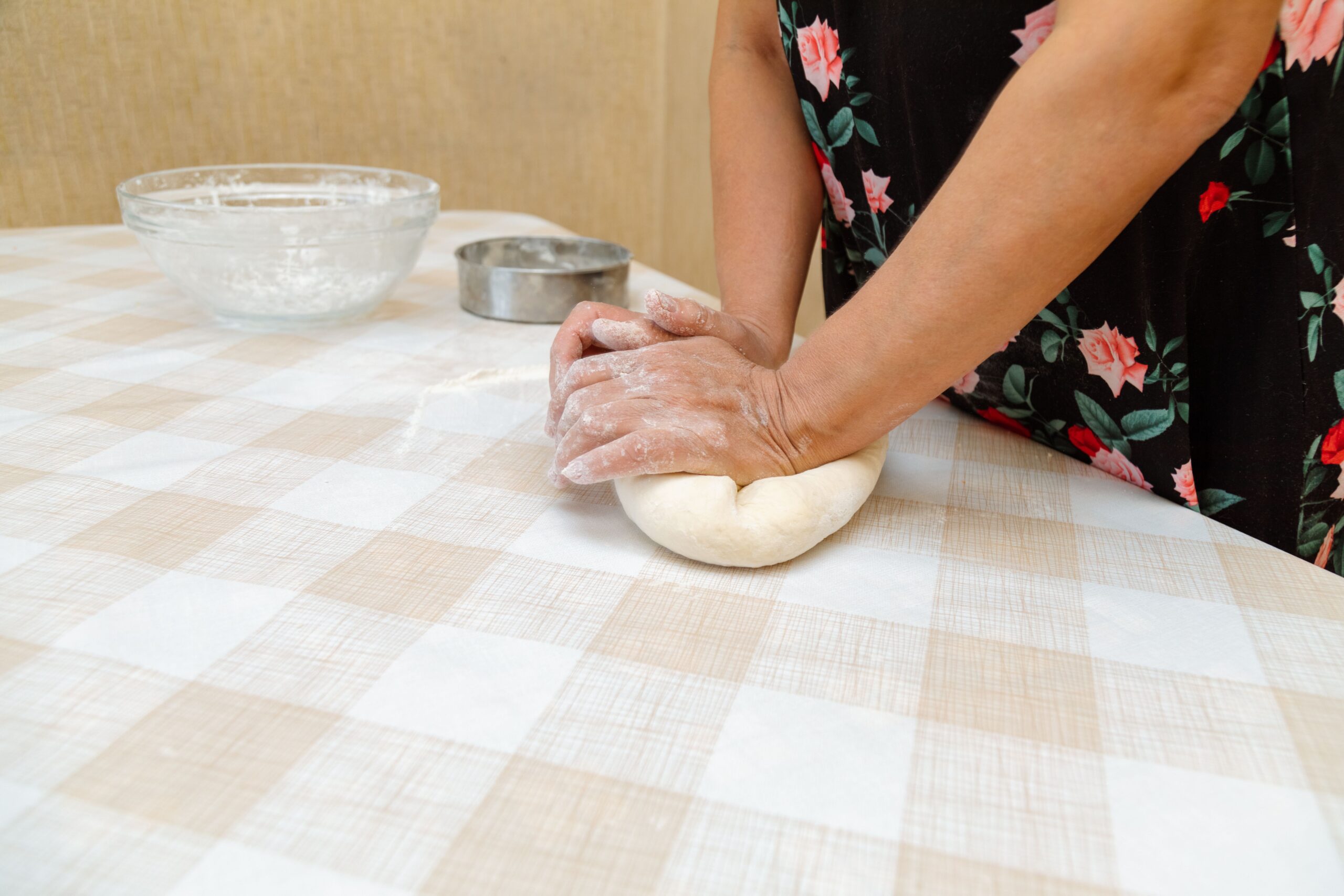
Before grocery stores carried so many types of bread, homemade loaves were a regular sight in many kitchens. Families often baked several at a time to keep enough bread on hand for the week.
Making bread can seem tricky at first, especially if you’ve never worked with yeast or kneaded dough. Once you learn the basics, you can make inexpensive loaves and decide exactly how much flour, salt, sugar, and other ingredients go into them.
4. Making Candles
Candles were once a household necessity, providing light after sunset before electric lighting became widely available. Families made them using materials such as beeswax and rendered animal fat.
Today, candle making is mostly a hobby, but it can still be useful during a power outage or when you need an inexpensive handmade gift. Learning the basics also lets you choose the size, scent, and materials instead of buying a new candle every time.
5. Canning Food
A good harvest often meant spending extra time in the kitchen preparing food for the months ahead. Families canned tomatoes, pickles, jams, fruit, sauces, and other foods so they could enjoy their garden produce long after the growing season ended.
Home canning is still a practical way to preserve seasonal food and reduce waste. Food safety is especially important, so use tested recipes and current canning instructions rather than guessing at processing times, particularly for low-acid foods such as vegetables, meat, and beans.
6. Washing Clothes by Hand
Washing machines have made laundry much easier, but hand washing is still useful for delicate garments, small loads, and clothes that need special care. It can also help when you’re traveling, dealing with a power outage, or staying somewhere without a washing machine.
The basic process involves using a suitable detergent, gently working the fabric, rinsing it well, and pressing out excess water. Delicate materials should never be twisted or wrung too hard.
7. Basic Sewing and Mending
Sewing was once a regular household skill rather than something reserved for people who enjoyed crafts. A missing button, loose seam, or small tear didn’t automatically mean a garment had to be replaced.
Learning a few simple stitches can help you repair hems, sew on buttons, patch worn areas, and fix minor damage. A small sewing kit with needles, thread, scissors, and spare buttons is enough to handle many common repairs.
8. Cooking From Basic Ingredients
Ready-made meals and convenience foods make dinner easier, but knowing how to cook with basic ingredients gives you more choices. Older generations often relied on affordable staples such as rice, beans, potatoes, flour, eggs, vegetables, and whatever meat they had available.
Those ingredients can become soups, stews, casseroles, breads, and skillet meals with just a few basic cooking techniques. Learning a handful of reliable recipes can also help keep grocery spending under control.
9. Making New Meals From Leftovers
Throwing away yesterday’s dinner wasn’t always an option, so families found ways to use what was left. Roast chicken could become soup or sandwiches, extra vegetables could go into a stew or frittata, and stale bread could become breadcrumbs, croutons, or stuffing.
This habit can help cut down on food waste and make groceries last longer. Before throwing leftovers away, check what you have and see whether they can become part of another meal.
10. Drying Food for Storage
Drying food was one of the earliest ways families preserved their harvests before refrigerators and freezers became common. Fruits, vegetables, herbs, and certain meats can be dried when prepared and stored correctly.
Electric dehydrators make the process easier today, but the basic skill is still worth learning. Dried apples, tomatoes, peppers, and herbs can be stored for later use, provided they’re dried thoroughly and kept in suitable containers to prevent spoilage.
11. Identifying Edible Wild Plants
Knowing which plants were safe to eat was useful for families who lived near fields, forests, and other natural areas. Wild berries, nuts, greens, mushrooms, and herbs could provide extra food alongside what they grew or purchased.
Foraging carries real risks because some poisonous plants look very similar to edible ones. Start with a trusted local field guide or learn from an experienced instructor, and never eat a wild plant unless you can identify it with certainty.
12. Basic First Aid and Household Remedies
Many families kept simple supplies and traditional remedies for minor cuts, bruises, sore throats, and other everyday complaints. Herbs, teas, salves, and other treatments were often passed down through generations.
Knowing basic first aid is still useful, but home remedies shouldn’t replace medical care. Learn how to clean a minor wound, apply a bandage, recognize signs of infection, and tell when an injury needs attention from a healthcare professional.
13. Making Soap
Before store-bought soap became inexpensive and widely available, some families made their own using rendered fats and lye. Recipes varied, with different ingredients added depending on the type of soap being made.
Making soap at home can be an enjoyable hobby, and it gives you control over the oils, scents, and other ingredients. Lye is highly caustic and can cause serious burns, so anyone making soap with it needs protective equipment, accurate measurements, good ventilation, and a reliable recipe.
14. Growing Herbs for Tea
Growing herbs for cooking and tea was once a common part of maintaining a household garden. Mint, chamomile, lemon balm, and other herbs could be picked fresh or dried for later use.
Making herbal tea at home is still easy to learn, and you can mix different herbs based on the flavors you enjoy. Keep in mind that some herbs can interact with medications or may not be suitable for everyone, so check their safety before using them for health-related reasons.