When most of us think about donating to a food bank, we picture canned soup, boxes of pasta and maybe a jar of peanut butter. Those are certainly useful, but there are plenty of other foods and everyday necessities that can help families put together meals and cover basic household needs.
What is most useful will depend on the food bank and the community it serves. Before filling a donation box, check your local organization’s guidelines, especially when donating non-food items, and then consider some of these often-useful categories.
1. Meals that don’t require much preparation
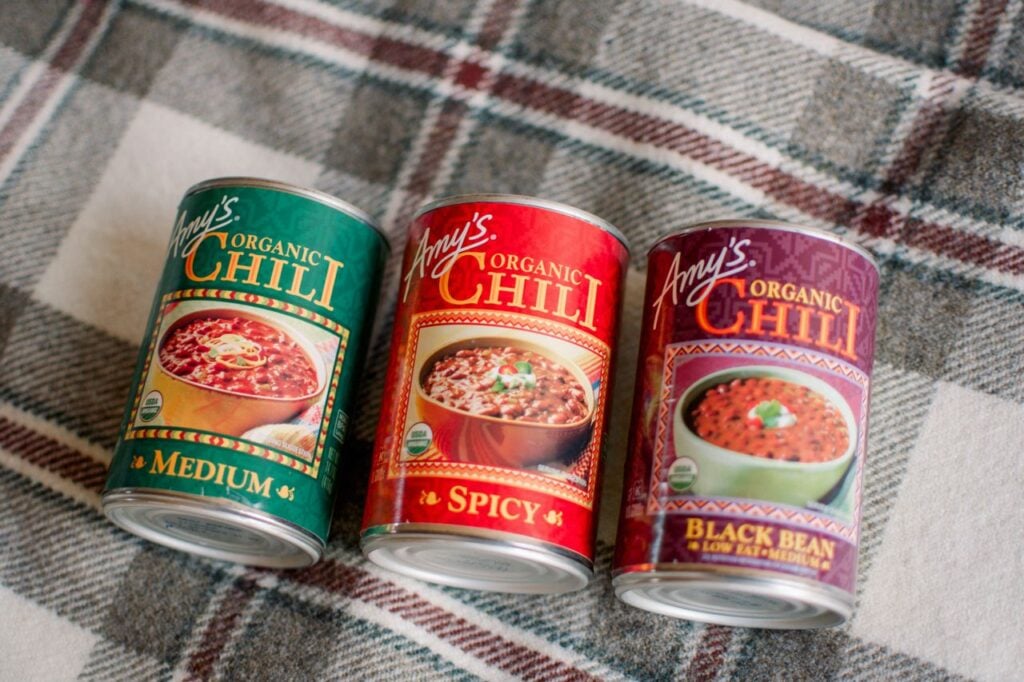
Not everyone using a food pantry has access to a full kitchen, extensive cookware or even much time for cooking. Canned chili, hearty soups, microwaveable rice and instant noodles can be particularly practical because they require very little equipment or preparation.
2. Shelf-stable fruits
Fresh fruit doesn’t last long, but canned and packaged alternatives can give families something that will stay good in the pantry until they’re ready to use it. Canned peaches, pineapple, applesauce, and individual fruit cups can work for breakfasts, packed lunches, snacks, or desserts.
3. Vegetables that last
Shelf-stable vegetables can help round out meals without requiring families to use them immediately. Canned tomatoes, corn, green beans, and mixed vegetables are versatile choices you can add to soups, casseroles, rice dishes, and plenty of other meals.
Related: 7 Canned Foods Frugal People Always Buy
4. Filling grains and starches
A few inexpensive pantry staples can form the base of many different meals and help stretch other ingredients further. Rice, pasta, oatmeal, and quinoa all store well and can be paired with vegetables, beans, sauces, and proteins.
5. Easy breakfast foods
Donation bins often contain plenty of dinner ingredients, while breakfast can be overlooked. Cereal, oatmeal, pancake mix and shelf-stable milk can give households simple choices for getting everyone fed before school or work.
6. protein-packed pantry staples
Protein can quickly become one of the pricier parts of a grocery trip, so shelf-stable options make useful additions to a donation box. Canned chicken or tuna, peanut butter and canned beans can all provide protein while remaining easy to store and incorporate into different meals.
7. Grab-and-go snacks
Portable foods are useful for school lunches, work breaks and busy days when sitting down for a full meal isn’t always possible. Granola bars, whole-grain crackers, nuts and dried fruit are compact, shelf-stable choices that can easily be tucked into a bag.
8. Cooking oils
It’s hard to cook many basic pantry foods without some type of oil, yet it isn’t something donors often think to put in the collection bin. Olive oil, vegetable oil and canola oil can help turn donated ingredients into actual meals, while cooking spray can be another convenient option.
9. Sauces and condiments
A box of pasta is much more useful when you have something to put on it. Pasta sauce, salsa, soy sauce and jam are examples of pantry extras that can add flavor and variety to otherwise simple meals.
10. Seasonings and cooking basics
Families working with a limited selection of ingredients can do a lot more with them when the kitchen has a few flavor basics. Salt, garlic powder, all-purpose seasoning and bouillon can help transform inexpensive foods such as rice, beans, pasta and vegetables into meals that don’t all taste the same.
11. everyday drinks
Coffee and tea may not seem as important as canned vegetables or rice, but they’re ordinary grocery items that many households enjoy and regularly purchase. Ground coffee, tea bags, shelf-stable milk and 100-percent fruit juice can add some welcome variety to a pantry’s offerings.
12. Baby and toddler necessities
Feeding a baby brings an entirely different set of grocery expenses, and those costs can add up quickly. Depending on what your local organization accepts, baby food pouches, infant cereal, formula and toddler snacks may be especially useful donations.
13. personal-care essentials
Families struggling to cover groceries may also struggle to keep up with toiletries that need replacing month after month. Toothpaste, shampoo, soap and menstrual products are practical necessities that some food banks and community pantries distribute alongside food.
14. Diapers and household supplies
A family’s needs don’t stop at the grocery aisle, and household basics can be surprisingly expensive when several run out at once. Diapers, baby wipes, laundry detergent and dish soap may be accepted by organizations that distribute non-food essentials, making them worth asking about before your next donation.