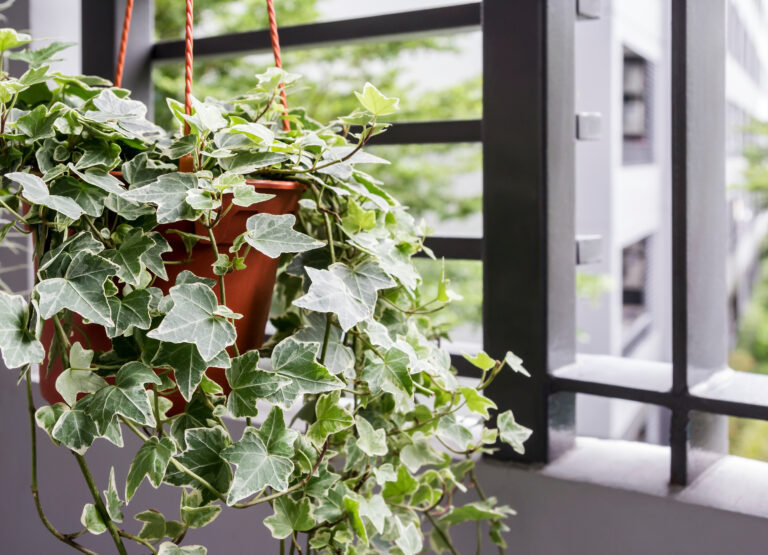
Coffee grounds have become one of those kitchen scraps gardeners are constantly told to save. Instead of tossing them in the trash, you can compost them and eventually return some of that organic material to the garden.
But that doesn’t mean every plant wants a layer of spent coffee dumped around its roots. Some plants prefer leaner, drier, or more alkaline growing conditions, while others don’t respond well when you add coffee grounds directly to their soil.
Here are 10 plants you may want to think twice about before reaching for coffee grounds.
Sunflowers
Sunflowers need plenty of sunlight along with fertile, well-draining soil to support their rapid growth. Coffee grounds aren’t necessary and can create a dense layer around the soil surface, so compost and a balanced source of nutrients are better options.
Succulents
Succulents are particularly sensitive to soil that stays wet for too long because their roots are adapted to dry, fast-draining conditions. Coffee grounds can retain moisture and compact as they dry, making them a poor amendment for most succulent pots and beds.
Related: 15 Eye-Catching Succulents for a Garden That Stays Beautiful
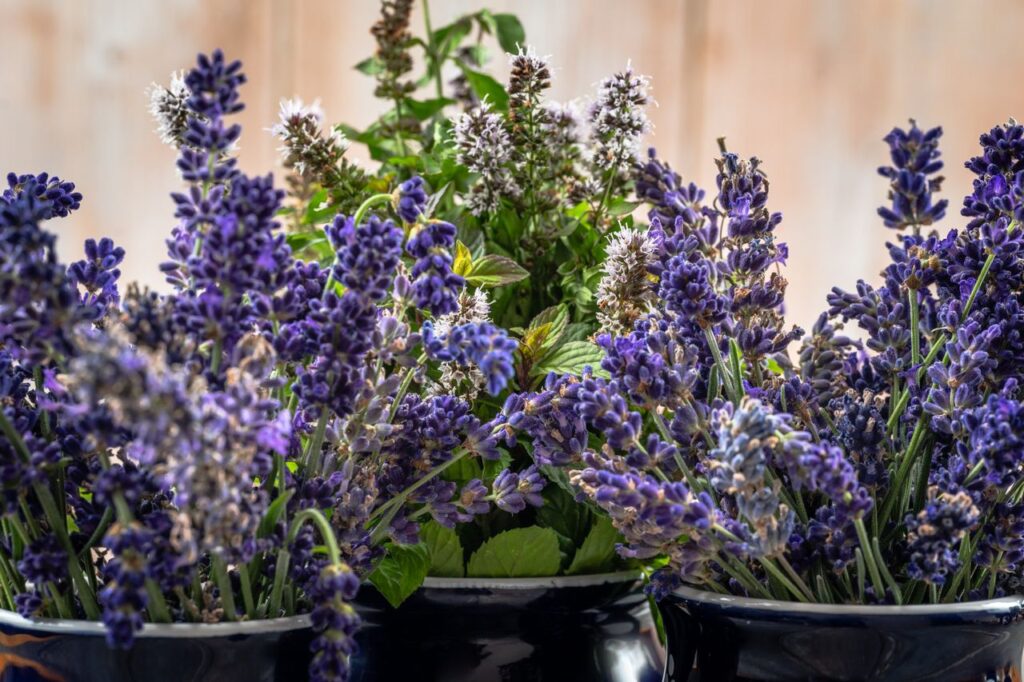
Lavender
Lavender prefers lean, dry, fast-draining soil and doesn’t need a steady supply of rich organic material around its roots. Coffee grounds can retain moisture and create growing conditions that are too rich and damp for this Mediterranean plant.
Thyme
Thyme grows best in loose, well-drained soil and generally prefers neutral to slightly alkaline conditions. Adding coffee grounds around the roots can hold excess moisture and create a heavier growing environment than thyme prefers.
Rosemary
Rosemary thrives in dry, gritty soil where water drains away quickly and plenty of air reaches the roots. A layer of coffee grounds can become dense and retain moisture, which works against the conditions that keep rosemary healthy.
Sage
Like many Mediterranean herbs, sage doesn’t need particularly rich soil to grow well. Coffee grounds can add unnecessary organic material and moisture around the roots, so it’s better to keep the soil relatively lean and well-drained.
Broccoli
Broccoli is a heavy feeder, but coffee grounds aren’t the best way to provide the nutrients this vegetable needs. Give broccoli fertile soil enriched with finished compost and a balanced fertilizer rather than mixing spent grounds directly into the garden bed.
Related: 6 Unusual Plants to Grow That Help Keep Pests Out of Your Raised Beds
Leeks
Leeks appreciate fertile soil with plenty of organic matter, but fresh coffee grounds aren’t a substitute for good compost. Finished compost, aged organic matter, and an appropriate vegetable fertilizer provide a more balanced environment for developing thick, healthy stalks.
Radishes
Radishes need loose, workable soil so their roots can expand quickly and develop properly. Coffee grounds can clump and disrupt soil texture, so compost-rich garden soil is a better choice for this fast-growing root vegetable.
Violas
Violas like fertile, well-drained soil that stays consistently moist without becoming heavy or waterlogged. Instead of adding coffee grounds directly around these flowers, use finished compost to improve the soil while maintaining a better balance of moisture and nutrients.
Other Topics You Might Like
- 13 Gardening Antiques Collectors Love and Often Pay Up For
- I Stopped Buying Fertilizers After Years of Gardening and Started Using This Instead
- Some of the Best Gardening Tips I Ever Got That Break All the Rules
- 9 Vintage Gardening Tools Hiding in Grandma’s Potting Shed— Some Could Be Worth a Small Fortune