There is something special about seeing monarch butterflies floating through a garden. Their bright orange wings and gentle movements can make an ordinary backyard feel more inviting and full of life.
If you want more monarchs visiting your yard, the plants you grow can make a big difference. Butterflies need flowers that provide nectar, but monarchs also depend on certain plants for reproduction. Milkweed, for example, gives monarch caterpillars the food they need to grow.
A garden with a mix of flowering plants can provide food throughout the season and create a welcoming space for these beautiful pollinators. Here are some plants that can help attract monarch butterflies to your outdoor space.
Bee Balm
Bee balm is a favorite among many pollinators, including monarch butterflies, bees, and hummingbirds. Its colorful, unusual flowers stand tall in garden beds and provide plenty of nectar.
This perennial plant can spread over time, filling empty areas and adding more blooms to your yard each year.
Sage
Sage is a practical addition to a sunny garden. Its purple, blue, or pink flowers provide nectar for butterflies while its fragrant leaves make it useful in the kitchen.
It handles dry conditions well and works nicely in gardens where you want plants that are both attractive and easy to care for.
Black-Eyed Susan
Black-eyed Susans bring bright yellow flowers with dark centers that stand out in any garden. Their open blooms make it easy for butterflies to land and feed.
These hardy flowers bloom for a long period and can handle a variety of growing conditions, making them a reliable choice for butterfly gardens.
Blazing Star
Blazing star adds height and color with its tall spikes of purple flowers. Monarch butterflies are drawn to its nectar-rich blooms, especially during the warmer months.
Plant it in a sunny area where it can grow tall and create a striking addition to your garden.
Shasta Daisy
Shasta daisies have classic white petals surrounding yellow centers, creating a simple look that pairs well with many other garden flowers.
While they may look delicate, these flowers are tough and provide a helpful nectar source for butterflies. They are also easy to grow and maintain.
Butterfly Bush
Butterfly bush is well known for attracting butterflies thanks to its large clusters of fragrant flowers. The blooms appear in shades of purple, pink, white, and blue, giving butterflies plenty of reasons to stop by.
Regular pruning can help keep the plant healthy and encourage more flowers throughout the season.
Geranium
Geraniums are popular garden plants because they grow well in flower beds, containers, and window boxes. Their colorful blooms can help add more nectar sources to your yard.
While they may not be the main plant monarchs rely on, they can complement other butterfly-friendly flowers.
Goldenrod
Goldenrod is especially valuable late in the growing season when many summer flowers begin to fade. Its bright yellow blooms provide nectar for monarchs preparing for migration.
This native wildflower can also bring a more natural look to gardens and open spaces.
Milkweed
Milkweed is one of the most important plants for monarch butterflies. Female monarchs lay their eggs on milkweed, and the caterpillars feed on its leaves after hatching.
Adding milkweed to your yard gives monarchs a place to complete part of their life cycle while also providing flowers that adult butterflies can visit for nectar.
Zinnias
Zinnias are easy-to-grow flowers that bloom in many colors, including pink, red, orange, yellow, and white. Butterflies are often attracted to their open, nectar-filled flowers.
Since they bloom for much of the summer, zinnias can provide a steady food source for monarchs and other pollinators.
Phlox
Phlox produces clusters of small flowers that add a soft, full appearance to garden beds. Its nectar-rich blooms attract butterflies and help keep your yard active during the flowering season.
Different varieties bloom at different times, making it possible to enjoy flowers throughout more of the year.
Echinacea
Echinacea, also called coneflower, is a favorite in many pollinator gardens. Its large flowers provide a landing spot for butterflies and offer nectar during the summer months.
This hardy plant grows well in sunny locations and often returns year after year once established.
Lavender
Lavender adds a pleasant fragrance and beautiful purple flowers to outdoor spaces. Butterflies are attracted to its blooms, which provide nectar during the growing season.
It prefers sunny locations and well-drained soil, making it a good choice for gardens that receive plenty of light.
Marigold
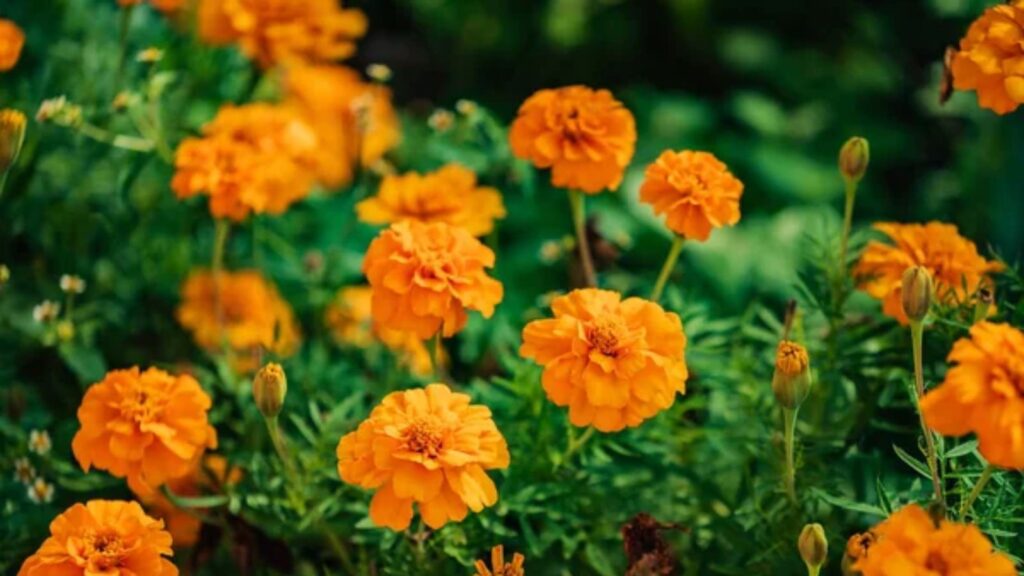
Marigolds are bright, cheerful flowers that are easy to grow and maintain. Their warm colors can attract butterflies while adding a splash of color to garden beds and containers.
Planting marigolds alongside other nectar-producing flowers can help create a more welcoming space for monarchs and other pollinators.
Create a Garden Monarchs Will Love
Attracting monarch butterflies does not require a large garden. A few carefully chosen plants can provide food, shelter, and a place for these butterflies to visit throughout the season.
By growing flowers that offer nectar and adding milkweed for monarch caterpillars, you can create a backyard space that supports these beautiful pollinators while enjoying more color and activity outdoors.