Some household purchases are so routine that we barely think about them. We run out of paper towels, dryer sheets, or food storage bags, add them to the shopping list, and buy another package without considering whether we could do things differently.
But not everything you use up needs replacing with another disposable product. A few reusable alternatives, simple swaps, and changes to your shopping habits can help you spend less without making everyday life more complicated.
Here are 14 things you may be able to stop rebuying, or at least buy a lot less often.
Bottled Water
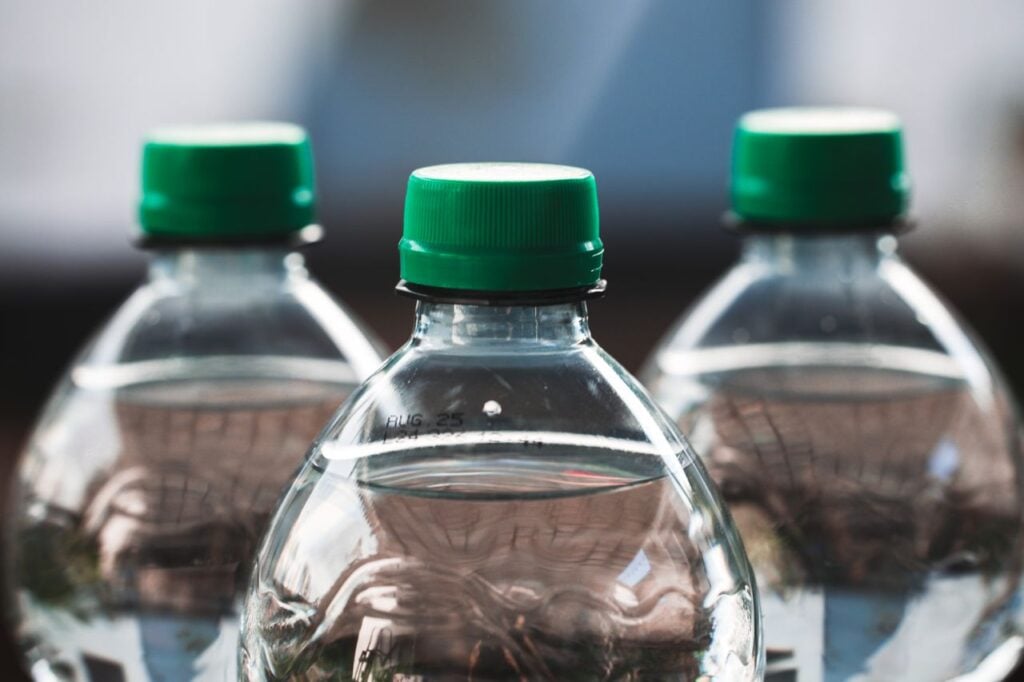
Buying cases of bottled water for everyday drinking can become a regular expense that adds up over time. If your tap water is safe to drink, a reusable water bottle and a filter, if needed, can cover most of your daily needs, leaving bottled water for emergencies or other situations where it’s useful.
Dry-Clean-Only Clothing
That beautiful sweater or dress might seem like a good purchase until you realize you’ll have to pay to have it professionally cleaned every time you wear it. When shopping for new clothes, check the care label and choose machine-washable pieces when possible so you don’t add another recurring expense to your budget.
Disposable Cleaning Products
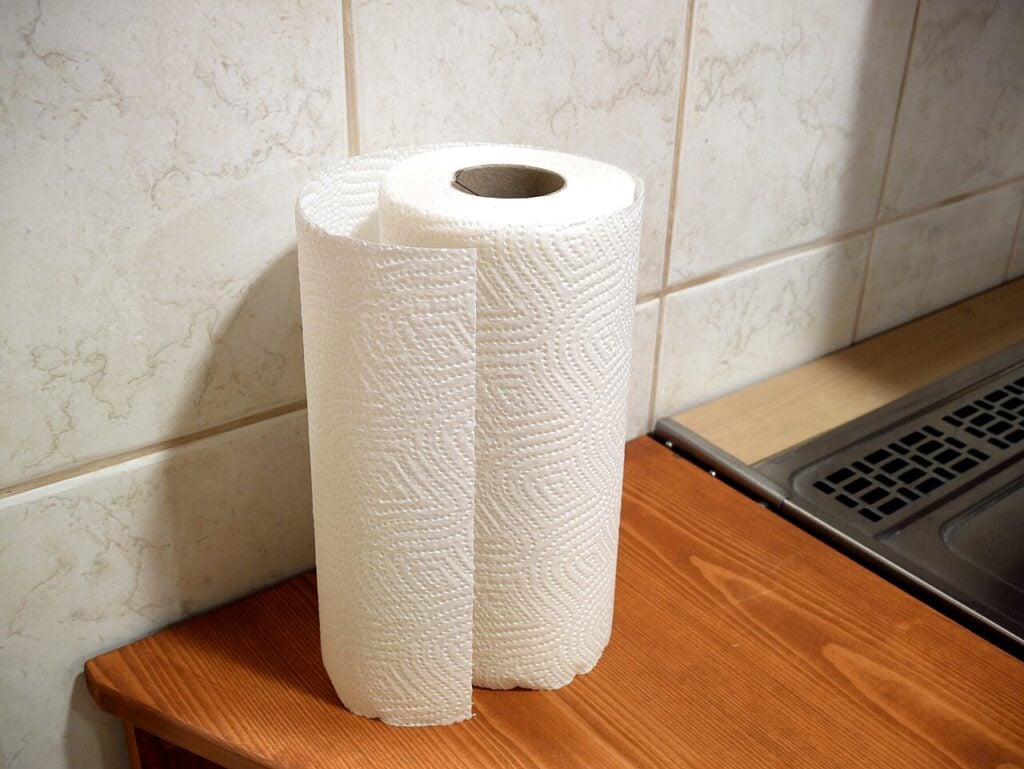
Paper towels and disposable cleaning wipes are convenient, but it’s easy to go through several packages when you reach for them every time you need to wipe something down. Keep washable rags, old washcloths, or microfiber cloths nearby for everyday cleaning, and save disposable products for the messes where you genuinely prefer them.
Tea Bags
If you drink tea every day, those little boxes of individual tea bags can become a surprisingly frequent purchase. Loose-leaf tea and a reusable infuser give you another way to make your favorite drink without throwing away a bag after every cup.
Laundry Add-Ons
Fabric softener and dryer sheets often end up on the shopping list simply because we’ve gotten used to adding them to every load. Try washing and drying a few loads without them to see whether you miss them, or consider reusable wool dryer balls as an alternative to disposable dryer sheets.
Seasoning Packets
Before buying another packet of taco or chili seasoning, check your spice cabinet because you may already have most of the ingredients you need. Mixing a larger batch of your favorite seasoning blend and storing it in a jar can save you from buying a new packet every time you make the same meal.
Disposable Aluminum Baking Pans
Disposable baking pans are handy when you’re bringing food to an event and don’t expect to get the container back, but they’re unnecessary for most meals you make at home. A reusable casserole dish or metal baking pan can last for years, and you can often find inexpensive ones at thrift stores.
Vanilla Extract
If you bake regularly, you may find yourself replacing those small bottles of vanilla extract more often than you’d like. Making your own with vanilla beans and alcohol is an option if you plan ahead and give it time to develop, although it’s worth comparing the ingredient costs before assuming homemade will be cheaper.
Individual Coffee Creamers
Those tiny single-serving creamer cups might be convenient when you’re traveling, but they can create an unnecessary expense when you’re making coffee at home. Buying a larger container of the creamer you enjoy usually gives you more servings with less individual packaging.
Single-Use Food Storage Products
Disposable sandwich bags, freezer bags, and plastic wrap can disappear quickly when you use them for every lunch, leftover, and half-finished ingredient. Reusable food containers, jars, silicone bags, and lidded bowls can replace many of those everyday uses without requiring you to buy another box or roll.
Laundry Detergent in Plastic Jugs
If you buy a large plastic jug every time you need laundry detergent, you’re also repeatedly bringing home packaging that gets thrown away or recycled. Concentrated detergent, powder, or a refill option may help reduce that waste, but compare the cost per load to make sure the alternative fits your budget.
Disposable Plates and Utensils
Paper plates and plastic cutlery are useful for certain gatherings, but relying on them for everyday meals means paying repeatedly for things you immediately throw away. Keep a set of washable plates and flatware for regular use, and check thrift stores if you need to add a few inexpensive extras.
Bottled Hand Soap
A perfectly good soap dispenser doesn’t need to go in the recycling bin just because you’ve used the last of what’s inside. Keep the bottles and pumps you already own, then refill them with a larger container or refill pouch when it’s more economical than buying another individual dispenser.
New Storage Containers for Every Organizing Project
It’s tempting to head straight to the store for matching baskets and bins whenever you decide to organize a closet, cabinet, or drawer. Before buying anything, gather the containers you already have around the house and see whether a few shoeboxes, jars, baskets, or unused bins can do the job just as well.
Buy Less Without Making Life Harder
You don’t have to give up every disposable product or make everything from scratch to cut back on repeat purchases. Start with the items you buy most often, try a practical alternative, and keep the changes that genuinely save you money and work for your household.