Martha Stewart has never been one to stick to predictable decorating choices, and her style often mixes classic details with unexpected touches. From bold color combinations to unusual furniture arrangements, these ideas may inspire you to try something different in your own home.
1. Unconventional Dining Spaces
A dining room doesn’t have to revolve around a traditional table and matching chairs, since coffee tables, outdoor furniture, and floor cushions can create a more relaxed spot for meals. This casual setup may not suit every household, but it can make small gatherings feel more laid-back and personal.
Related: Decorating your Dinner Party Table on a Budget
2. Dramatic Drapery
Floor-to-ceiling curtains can make a room feel taller, especially when the curtain rod sits close to the ceiling. Light fabrics such as linen or sheer cotton keep the look airy rather than weighed down.
Related: Less Contrast, More Mood: Inside the Rise of Tonal Decorating
3. Recycled Furniture With a New Purpose
Old furniture and salvaged materials can become useful pieces with a little creativity, such as a weathered door turned into a table or antique shutters repurposed as a headboard. These projects can give a home a more personal look while keeping usable materials out of the trash.
Related: 14 Decorating Trends from the ’90s That Haven’t Aged Gracefully
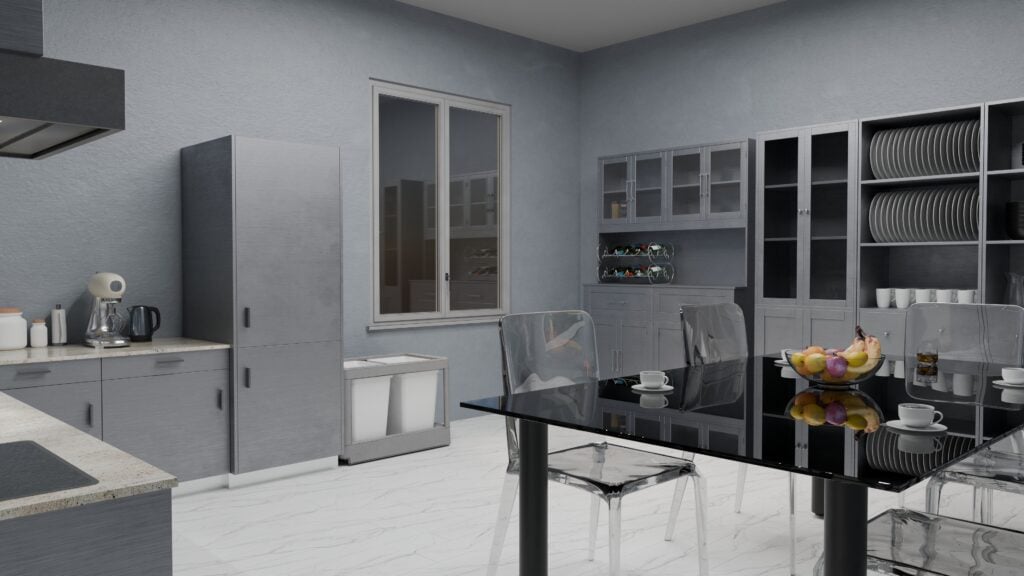
4. Moody Kitchen Color Schemes
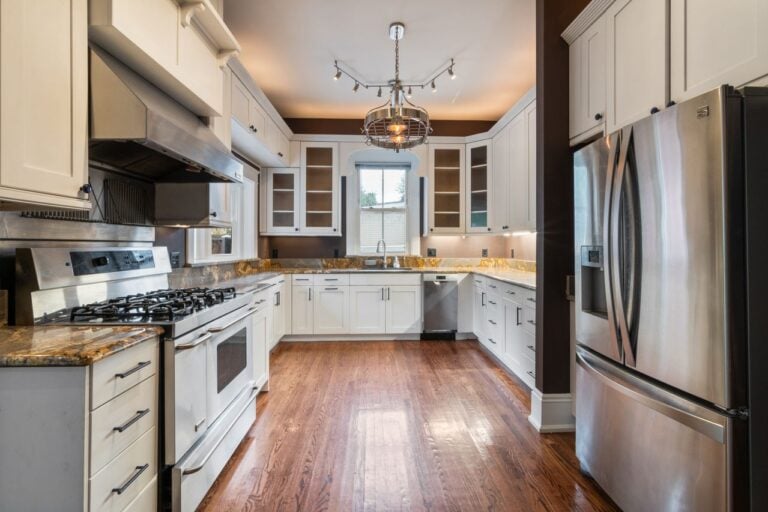
Kitchens don’t have to feature white cabinets and pale walls, since navy blue, deep green, and matte black can give the room a more dramatic look. Good task lighting, lighter countertops, and a few contrasting details can keep darker finishes from making the space feel too enclosed.
Related: Decorating with Your Birthstone Color Might Be the Most Personal Design Trend Yet
5. Indoor Gardens for Year-Round Greenery
Potted plants, windowsill herbs, and small indoor gardens bring greenery into kitchens, living rooms, and sunny corners. NASA research has examined how plants can remove certain pollutants from indoor air, though a few houseplants shouldn’t replace proper ventilation or an air purifier.
6. Mixing Colors That Usually Don’t Go Together
Pink and red, blue and green, or orange and purple can create an eye-catching room when the shades work well together. If the combination feels too busy, use neutral furniture and simple accessories to give the bolder colors some breathing room.
7. Pairing Antique Pieces With Modern Furniture
An antique mirror, vintage armchair, or old chandelier can add character to a room filled with modern furniture and clean lines. Mixing pieces from different periods gives the space a collected look without requiring every item to match.
8. Making the Ceiling a Focal Point
A ceiling doesn’t have to stay plain white, since paint, wallpaper, or a subtle pattern can draw the eye upward. A deep color can make a room feel cozy, while a lighter pattern can add interest without dominating the space.
9. Layering Rugs in Unexpected Ways
Placing a smaller patterned rug over a larger neutral one adds texture and helps define a seating area. The same idea works on carpet, too, as long as the rugs sit securely and don’t slide underfoot.
10. Choosing Oversized Artwork
A large painting, print, or photograph can give a blank wall a clear focal point without filling the room with lots of smaller decorations. Artfinder explains how larger artwork can change a room’s feel and add drama to a space.
11. Mixing Expensive and Budget-Friendly Pieces
A room can include antique furniture, affordable accessories, and everyday finds without looking mismatched. Spending more on a few well-made pieces while saving on smaller items can keep decorating costs manageable and leave room for personal taste.
12. Letting Imperfect Pieces Stay
A scratched wooden table, worn rug, or slightly faded chair can give a room a lived-in feel that brand-new furniture sometimes lacks. Rather than replacing every marked item, decide whether the wear adds character or whether the piece needs a simple repair.
13. Minimalist Decor With One Bold Detail
A mostly neutral room can feel more personal with one standout item, such as an emerald accent wall, a textured throw, or a large piece of art. Keeping the furniture and accessories simple lets that one detail draw attention without making the room feel crowded.
14. Mixing Patterns With Confidence
Stripes, florals, and geometric prints can work together when they share a few colors or differ in scale. A striped sofa, floral cushions, and a geometric rug can suit a playful room, while smaller pattern combinations are a good starting point for anyone who prefers a quieter look.
15. Open Shelving for Everyday Items
Open shelves in kitchens and bathrooms put dishes, glassware, towels, and frequently used items within easy reach. They also leave everything on display, so grouping similar items together and keeping everyday clutter under control helps the shelves look tidy.