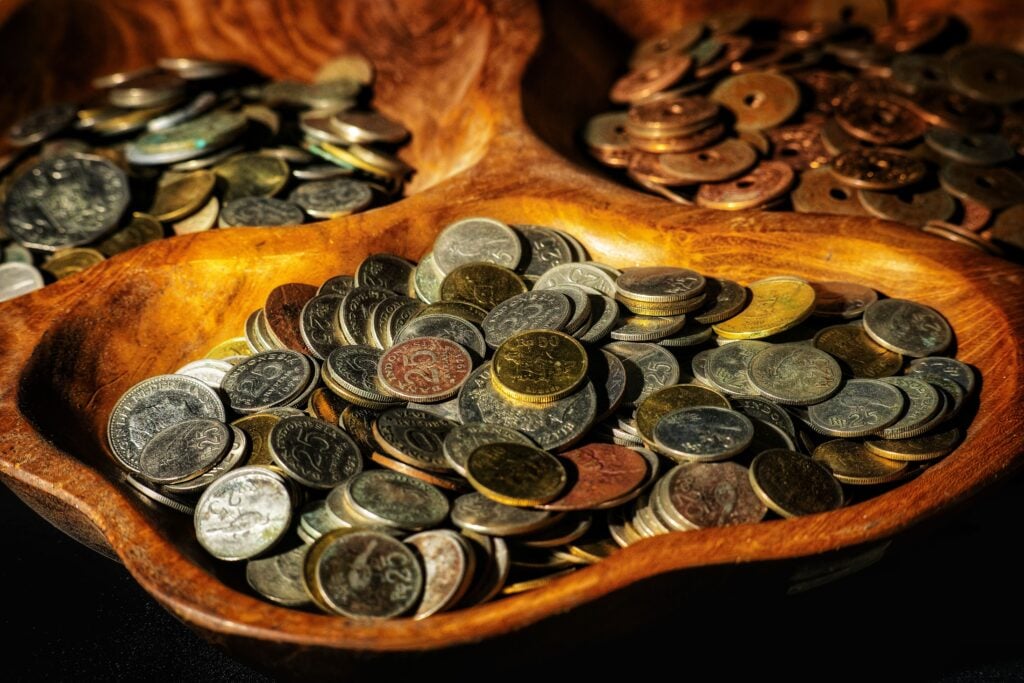
Most nickels are worth exactly what they say on the coin: five cents. But a handful of older nickels can be worth much more to collectors, especially when they have a rare date, a low mintage, an unusual variety, or a minting error.
The condition of the coin matters too. A rare nickel with sharp details and little wear can be worth far more than the same coin in rough shape. Some of the most valuable examples have sold for hundreds, thousands, or even much more.
U.S. coin references such as USA Coin Book track values for different nickel series, including Shield nickels, Liberty Head “V” nickels, Buffalo nickels, and Jefferson nickels. Values can change based on auction results, collector demand, rarity, and condition.
That doesn’t mean you’re likely to find a five- or six-figure nickel in your pocket change. Still, old collections, inherited coin jars, and rolls of coins can turn up interesting pieces. These are some of the nickels collectors pay close attention to.
1916 Buffalo Nickel Doubled Die Obverse
Estimated value: up to about $154,000 in top condition.
The 1916 Buffalo nickel doubled-die obverse is one of the best-known varieties in the Buffalo nickel series. The doubling is most clearly visible around the date and in some of the lettering on the coin’s front.
It’s the kind of detail that makes a collector stop and take a second look. Examples in excellent condition can be worth a tremendous amount compared with an ordinary Buffalo nickel.
Related: 10 Rare Porcelain Dolls That Could Be Hiding at Estate Sales
1918-D Buffalo Nickel 8 Over 7
Estimated value: up to about $62,000, depending on condition.
The 1918-D Buffalo nickel has an unusual overdate error, with an 8 struck over a 7 in the date. This happened because a coin die was reused and the new year was punched over the previous date.
The result is a variety that collectors can identify by closely examining the numbers. Clear examples of the overdate can command high prices, particularly when the coin is in excellent condition.
1880 Shield Nickel
Estimated value: up to about $30,000 in higher grades.
Shield nickels were the first U.S. five-cent coins made with a copper-nickel composition. The 1880 issue had a relatively small production run, which helps explain why collectors pay close attention to surviving examples.
Condition makes a big difference with this coin. A well-preserved 1880 Shield nickel can bring a much higher price than one with heavy wear or damage.
1936-D Buffalo Nickel Three and a Half Legs
Estimated value: up to about $22,000.
The 1936-D Buffalo nickel is known for a variety often called the “three-and-a-half-leg” nickel. Excessive polishing of the die removed part of one of the buffalo’s front legs before the coins were struck.
The result is a buffalo that appears to have three full legs and part of a fourth. It’s a fun variety to look for because the error can be seen without specialized equipment.
Related: 15 Rare Nickels That Might Be Worth More Than You Think
1926-S Buffalo Nickel
Estimated value: around $10,000 or more in high grade.
The 1926-S Buffalo nickel is one of the tougher dates to find in excellent condition. Although San Francisco produced plenty of Buffalo nickels during the series, some dates are much harder to find in good condition.
The buffalo design was notoriously difficult to strike clearly, so finding a 1926-S with a sharp date and good overall detail can be a big deal for collectors.
1935 Buffalo Nickel Doubled Die Reverse
Estimated value: up to about $7,300.
The 1935 Buffalo nickel doubled die reverse shows doubling on parts of the coin’s back. The lettering and other design details can show the doubling, giving collectors something to inspect closely.
Coins with unusual varieties like this can be worth much more than regular examples from the same year. A magnifying glass can help when you’re checking older nickels for small details.
Related: 15 Valuable U.S. Dimes That Could Be Hiding in Your Change Jar Right Now
1942-D Jefferson Nickel D Over Horizontal D
Estimated value: around $7,300 in top condition.
The 1942-D Jefferson nickel has a well-known mintmark variety in which the Denver “D” was punched over a horizontal “D”. The earlier mark can still be seen underneath the final mintmark.
Mintmark varieties like this give collectors a glimpse into how coins were made before modern minting equipment changed the process. High-grade examples are especially desirable.
1914 Buffalo Nickel 4 Over 3
Estimated value: around $6,200.
The 1914 Buffalo nickel is another coin with an overdate variety. The final 4 in the date was punched over a 3, leaving evidence of the earlier number underneath.
These mistakes occurred during die preparation and can make certain coins much more collectible. The date should be examined carefully rather than at a glance.
1924-S Buffalo Nickel
Estimated value: about $5,600 in higher grades.
The 1924-S Buffalo nickel was struck at the San Francisco Mint and is another date collectors watch for. Finding one with a readable date and strong design details can be much harder than finding a heavily worn example.
As with many older coins, condition plays a major role in the price. A coin that has spent decades in circulation will usually be worth much less than one that has been carefully preserved.
Related: These Rare Dollar Bills Could Be Hiding in Your Wallet Right Now
1937-D Buffalo Nickel Three Legs
Estimated value: about $5,200 or more.
The three-legged 1937-D Buffalo nickel is one of the most recognizable error coins in American collecting. A die-polishing mistake removed most of one of the buffalo’s front legs, leaving the animal appearing to have only three legs.
Because the missing leg is so easy to spot, this is one of those varieties that even newer collectors can learn to recognize. Just be careful of altered coins, since some Buffalo nickels have been modified to imitate the famous error.
1885 Liberty Head “V” Nickel
Estimated value: around $4,200.
Liberty Head nickels are often called “V nickels” because the reverse features a large Roman numeral V. The series was produced from 1883 through 1913, and some dates are much harder to find than others.
The 1885 issue is one of the more valuable dates in the series. A worn example can still attract collector interest, while a well-preserved coin can be worth considerably more.
1866 Shield Nickel Repunched Date
Estimated value: around $4,000.
The 1866 Shield Nickel comes from the first year of production for this five-cent design. Some examples have a repunched date, meaning the numbers were struck more than once during die preparation.
Small details like this can be easy to miss without a close inspection. If you come across an old Shield nickel, it’s worth taking a little extra time to examine the date.
1877 Shield Nickel
Estimated value: about $3,400 or more.
The 1877 Shield nickel was produced as a proof rather than as a regular circulating coin. Its limited production makes it a desirable piece for collectors of the Shield nickel series.
Because proof coins were made with special care, they can have sharper details and smoother surfaces than regular circulation coins. Condition still matters, so collectors will examine the coin closely before assigning a value.
1918-S Buffalo Nickel
Estimated value: around $3,000 in high grade.
The 1918-S Buffalo nickel is collectible even though it isn’t known for a major minting error. Its scarcity, particularly in higher grades, makes it an interesting date for people collecting the Buffalo nickel series.
Many Buffalo nickels saw heavy use and lost their dates and design details over the years. A 1918-S that still has strong features can therefore stand out from the typical worn example.
1921-S Buffalo Nickel
Estimated value: around $3,000, depending on condition.
The 1921-S Buffalo nickel is another San Francisco issue that collectors look for. It’s considered a key date in the series, with higher-grade examples being much harder to find.
If you come across one, check the date, mintmark, and overall condition before assuming it’s just another old nickel. A coin with strong detail can be worth considerably more than its five-cent face value.
Related: 17 Rare Quarters Worth Some Serious Money
Before feeding a pile of nickels into a coin machine, take a quick look through them. Buffalo nickels dated from 1913 through 1938 deserve extra attention, particularly if the date is clear or the coin has unusual lettering or design details. Older Shield nickels from the 1800s can also be worth setting aside for a closer look.
Pay attention to overdates, doubled letters, unusual mintmarks, and other details that don’t look quite right. You don’t need to be an expert to start checking coins, but a good reference guide or magnifying glass can make it much easier to spot varieties.
If you think you’ve found something valuable, leave the coin alone and don’t clean it. Scrubbing or polishing an old coin can damage its surface and lower its collector value. Instead, take it to a reputable coin dealer or consider having it examined by a professional grading service.
It only takes a few minutes to look through a jar of spare change. Most of what you find will still be worth five cents, but every so often, an old nickel can be worth a whole lot more.
Other Posts You Might Like
- The Most Valuable Pennies Still Hiding in Circulation Today
- America Is Phasing Out the Penny—What You Should Do With the Coins You Still Have
- 20 Collectibles in Your Parents’ House That Could Be Worth a Fortune
- 13 Random Items in Your Home That Could Be Worth Thousands
- 13 Garage Sale Items That Collectors Actively Look For (and Pay Well For)