Dogs are loving, loyal companions, but that doesn’t mean they enjoy everything their humans do. Some habits we see as harmless or affectionate can leave dogs feeling nervous, uncomfortable, or annoyed.
Since dogs can’t tell us when something bothers them, they rely on body language to communicate. Turning away, licking their lips, hiding, stiffening their bodies, or moving away can all be signs that they’d rather be left alone.
Here are 18 everyday human habits that many dogs would be happier without.
Getting Too Close to Their Face
Dogs need personal space, too, and having someone lean over them or put their face right next to theirs can feel uncomfortable. A dog might tolerate it because they trust you, but that doesn’t mean they enjoy it.
Watch whether your dog moves closer for attention or tries to pull away. Letting them decide when they want affection helps them feel safer around you.
Raising Your Voice
Dogs are sensitive to sounds and changes in the way people speak. Shouting, loud arguments, and sudden bursts of noise can make them nervous, even if nobody is yelling at them directly.
If your dog hides, trembles, paces, or keeps their distance after someone raises their voice, they may be feeling stressed. Speaking calmly can help them feel more at ease.
Wearing Strong Fragrances Around Them
A dog’s sense of smell is far stronger than ours, so a perfume or air freshener that seems mild to you may be overwhelming for them. Strong fragrances from hairspray, scented cleaners, and room sprays can also bother some dogs.
If your dog regularly leaves the room after you spray something, try using less fragrance. Giving them access to a room with fresh air and fewer strong smells can help.
Leaving Them Alone for Too Long
Some dogs are comfortable spending a few hours by themselves, while others find being alone very stressful. Long periods without company, play, or activity can lead to boredom, barking, chewing, and separation-related distress.
Dogs need regular interaction, exercise, and mental stimulation throughout the day. Their needs vary by age, health, personality, and breed.
Constantly Changing Their Routine
Many dogs feel more comfortable when they know what to expect each day. Unpredictable mealtimes, missed walks, and sudden changes to their usual schedule can leave some dogs unsettled.
Of course, not every day will go according to plan. Keeping meals, walks, bedtime, and rest periods fairly consistent can help your dog feel more secure.
Forcing Them to Meet People or Other Dogs
Not every dog enjoys greeting strangers or playing with every dog they encounter. Some are naturally outgoing, while others prefer to keep their distance.
Pulling a reluctant dog toward another animal or insisting they say hello can make them even more uncomfortable. Let your dog move away if they need space instead of forcing an interaction.
Rushing Them Through Every Walk
Walks give dogs a chance to exercise, but sniffing is just as much a part of the experience. Their noses help them learn about other animals, people, and what’s happening around them.
Constantly pulling them away from every interesting smell can make walks less enjoyable. Give your dog time to sniff in safe areas, while keeping them away from traffic and other hazards.
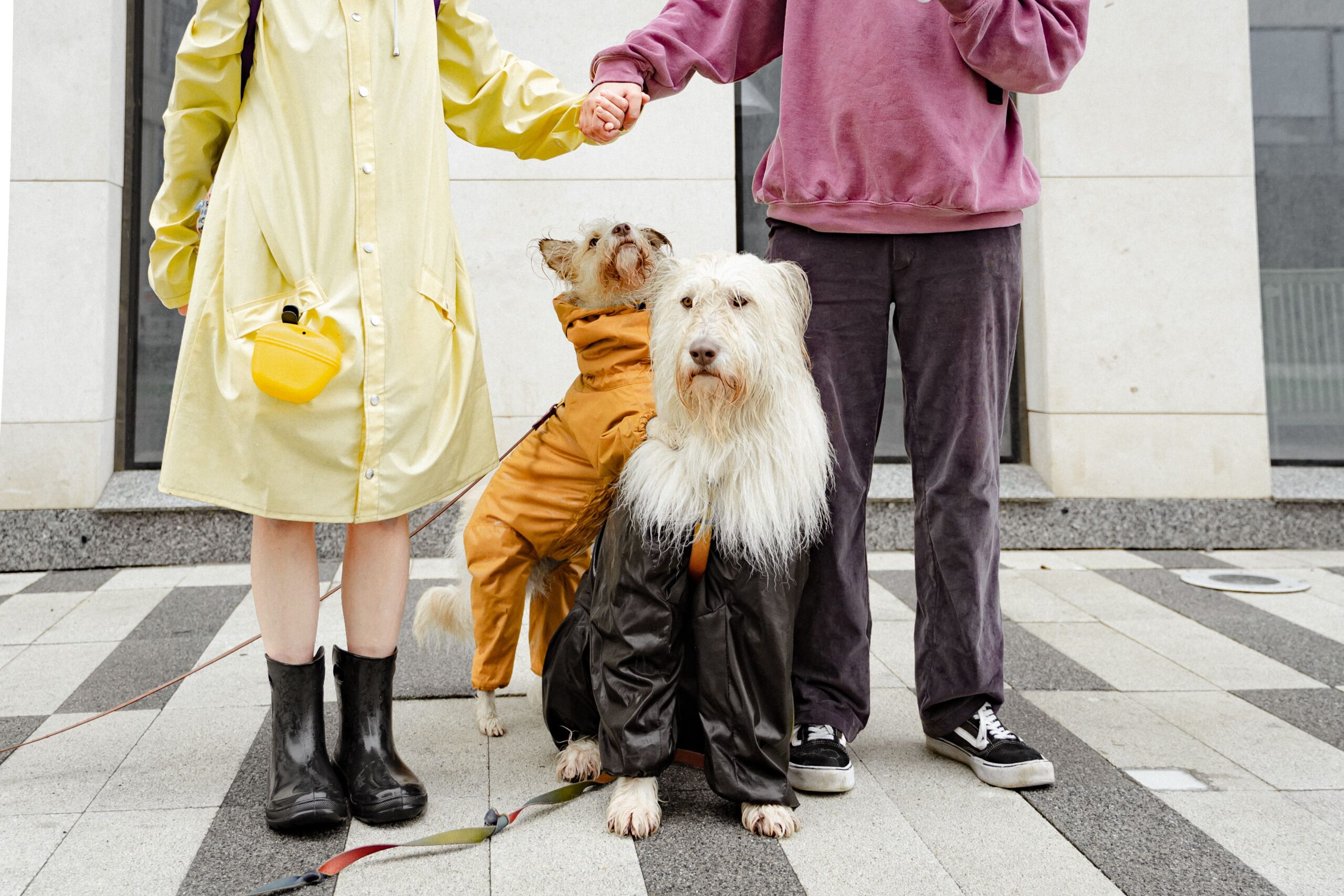
Making Them Wear Clothes They Dislike
Some dogs are perfectly comfortable wearing a sweater on a cold day, while others dislike having anything put over their heads or bodies. Costumes, tight clothing, shoes, and accessories can restrict movement or make them feel uneasy.
Watch your dog’s reaction after putting something on them. If they freeze, scratch at the clothing, try to remove it, or refuse to walk, it’s probably better to take it off.
Blowing Air Into Their Face
Blowing into a dog’s face might seem funny to some people, but many dogs find it unpleasant. A sudden burst of air close to their eyes and nose can startle them.
Your dog may turn their head, lick their lips, or back away to show they don’t like it. You can play plenty of other games together without making them uncomfortable.
Waking Them Up Suddenly
Dogs need uninterrupted rest, and being startled awake can leave them confused or frightened. A sudden touch may also cause a sleeping dog to react instinctively before they realize what’s happening.
This deserves extra care with older dogs or those with hearing or vision problems. If you need to wake your dog, speak softly and give them a moment to respond before reaching toward them.
Related: 14 Dogs That Are Adorably Awkward (and Impossible Not to Love)
Hugging Them Too Tightly
People often hug dogs to show affection, but many dogs don’t enjoy being held tightly. Being wrapped in someone’s arms can make them feel trapped, especially if they can’t move away.
Look for signs like a stiff body, turned head, pinned ears, lip licking, or attempts to escape. Gentle petting is often more comfortable than a tight hug.
Using Different Commands for the Same Thing
Dogs learn through repetition, so changing commands all the time can confuse them. If you use “down,” “off,” and “no” for the same behavior, your dog may struggle to figure out what you’re asking.
Inconsistent rules can cause the same problem, especially if you allow something one day and punish it the next. Stick to clear commands and household rules so your dog has a better idea of what you expect.
Handling Their Paws Without Warning
Many dogs dislike having their paws touched, which can make nail trimming and grooming stressful. Grabbing a paw suddenly may cause them to pull away or become nervous.
Start by touching their paws briefly and rewarding calm behavior with a treat. Gradually increase the time so they can get used to being handled without feeling overwhelmed.
Keeping Their Leash Too Tight
Walking with a constantly tight leash can be uncomfortable for dogs and may cause extra pressure around their collar or harness. Some dogs also become more tense when they feel restricted throughout the walk.
Loose-leash training takes patience, but it can make outings more pleasant. Your dog gets room to move and sniff while you still have control.
Forcing Them Toward Things They Fear
Pulling a frightened dog toward something that scares them rarely helps. If they already feel overwhelmed and can’t get away, their fear may become even stronger.
Give them some distance and let them get used to the situation at a pace they can handle. Treats, patience, and calm exposure may help them feel more comfortable over time.
Bringing Household Stress Into Their Space
Dogs can pick up on changes in the mood and behavior of people around them. Constant shouting, tension, and unpredictable activity at home can leave some dogs feeling anxious.
Nobody is happy all the time, and bad days are normal. Giving your dog a quiet place to rest and treating them gently can help them feel safe when things at home get stressful.
Teasing Them During Play
Pretending to throw a ball, pulling treats away at the last second, chasing them around the house, or deliberately annoying them might seem funny. For the dog, though, these games can become frustrating or frightening.
Repeated teasing may make a dog wary of your hands or less comfortable playing with you. Keep play enjoyable for both of you, and stop if your dog tries to leave, hides, or loses interest.
Giving Them Up Without Trying to Find Help
Dogs form strong bonds with their families, so being suddenly separated from the people and home they know can be deeply upsetting. A shelter or unfamiliar living situation can be frightening, especially for a dog that has spent years with the same family.
Owning a dog comes with long-term responsibilities, including vet bills, training, damaged belongings, and unexpected challenges. If caring for your pet becomes difficult, talk with a veterinarian, trainer, rescue group, or trusted person about possible solutions before deciding to give them up.
Dogs may not speak our language, but they give us plenty of clues about how they’re feeling. Paying attention to their body language, respecting their boundaries, and giving them time to feel comfortable can make everyday life better for both you and your pet.