Most people donate to food pantries because they genuinely want to help. Maybe you’re cleaning out your pantry and find a few items you know someone else could use, or you pick up extra groceries during your regular shopping trip. Either way, the intention is generous.
Still, some donations can be difficult for food pantries to accept or distribute. Pantries have to follow food safety rules, work with limited storage space, and make sure the food they hand out is safe for families to eat.
A little thought before donating can make your contribution much more useful. Here are five items that many food pantries would rather you leave at home.
Expired Food
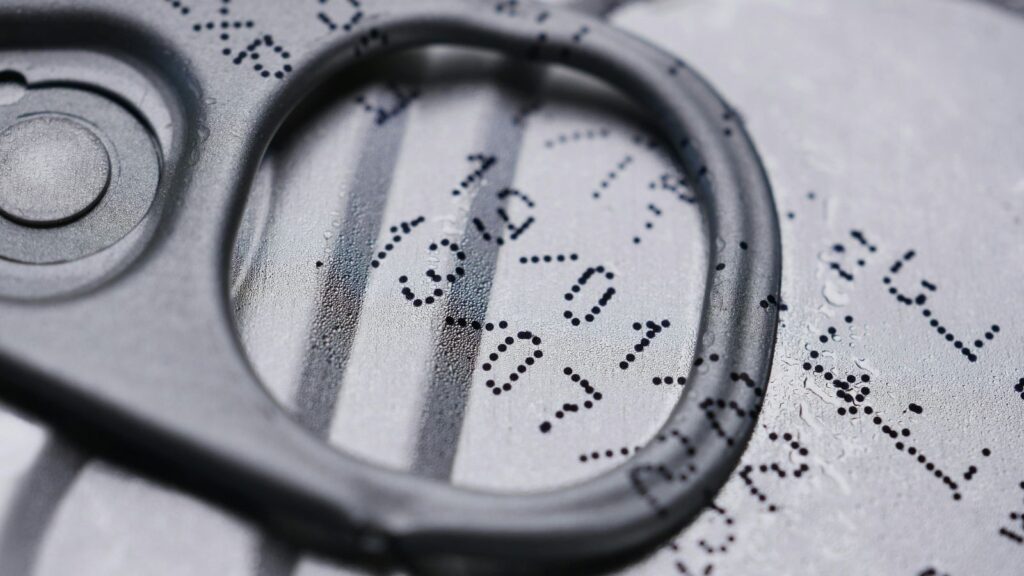
It’s easy to find an old can or box of food hiding in the back of the pantry and think, “Someone could still eat this.” But food pantries have to be careful about the dates on donated products.
Best-by, use-by, and expiration dates don’t all mean the same thing, but pantries may have their own rules about which dated foods they can distribute. Old food can also take time for volunteers to sort, inspect, and determine whether it can be given away.
Before putting food in your donation box, check the dates on canned goods, cereal, snacks, pasta, and other packaged foods. Fresh items that are well within their recommended date range are much more useful.
Related: 14 Pantry Items That Are Probably Already Expired
Damaged or Compromised Packaging
A small dent on a can may seem harmless, but some types of damage can make food unsafe. Deeply dented cans, bulging lids, leaking containers, broken seals, and cracked packages are all reasons a pantry may have to reject a donation.
Volunteers can’t always tell whether damaged packaging has affected the food inside. Since the goal is to provide safe food, questionable items are usually better left out of the donation box.
Check each item before donating. Clean, unopened packages with intact seals are much easier for volunteers to sort and distribute.
Related: Must-Have Canned Foods for a Well-Stocked Emergency Pantry
Homemade Meals
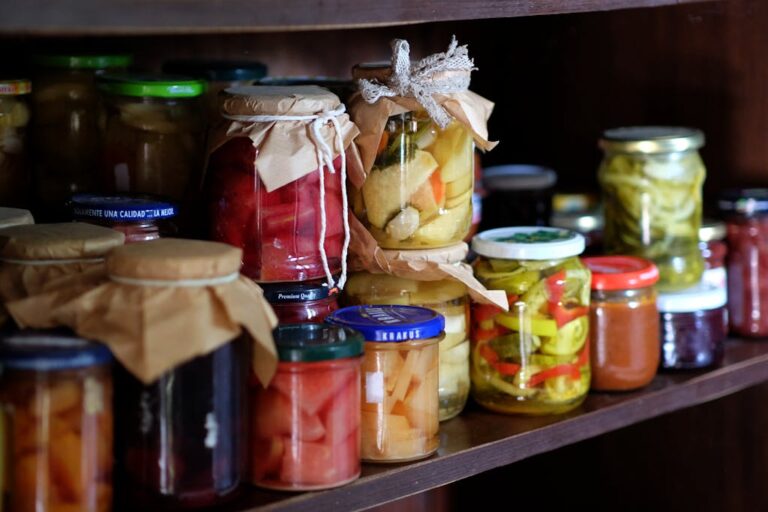
Your homemade soup, casserole, or family recipe may be delicious, but most food pantries can’t accept meals prepared in a private home.
The problem isn’t the food itself. It’s food safety. Pantries generally need to know how food was prepared, stored, and handled before they can give it to someone else. Home kitchens don’t have the same food safety oversight as commercial kitchens.
If you want to help families prepare meals, shelf-stable ingredients can be a better choice. Canned vegetables, pasta, rice, beans, sauces, and other pantry staples can give people more options without creating the same food safety concerns.
Homemade Baked Goods
Fresh cookies, muffins, cakes, and homemade bread can feel like thoughtful gifts, especially around the holidays. Unfortunately, many food pantries can’t accept them.
Like homemade meals, baked goods made in a private kitchen may not have ingredient labels, allergen information, or the food safety documentation a pantry needs. This can make them difficult or impossible to distribute.
That doesn’t mean your baking has to go to waste. Some shelters, churches, community groups, or local events may have different rules and may accept homemade treats. Check with the organization before dropping them off.
Perishable Foods That Need Refrigeration
Fresh produce, dairy, meat, and other refrigerated foods can be useful donations, but not every food pantry has enough refrigerator or freezer space to store them.
A small pantry may receive more perishable food than it can safely distribute before it spoils. That creates extra work for volunteers and can lead to unnecessary food waste.
If you have fresh food you’d like to donate, call the pantry first and ask what it can accept. Some organizations have programs specifically set up for fresh and frozen foods.
For a donation you can usually drop off without making arrangements, shelf-stable foods such as canned vegetables, peanut butter, pasta, rice, canned beans, and boxed meals are often easier for pantries to store and hand out.
A quick check of the pantry’s donation guidelines before shopping can also make a big difference. Every organization has its own rules, so the best donation is usually the one that fits what the pantry can safely store and distribute.