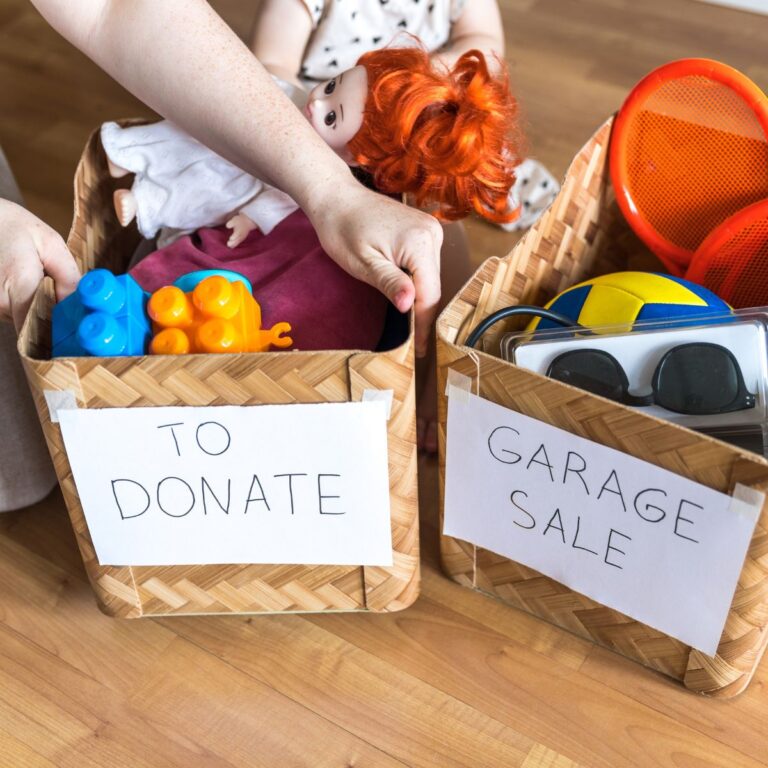
Donating to a thrift store feels like a simple way to give your unwanted items a second life. You clean out a closet, pack up a few boxes, and hope someone else will get good use out of them. It’s easy to picture your donations hanging on a rack or sitting on a shelf, waiting for their next owner.
The reality is a little different.
Every day, thrift stores receive far more donations than they can sell. Employees sort through bags and boxes as quickly as possible, deciding what is clean, safe, and ready for resale. Most stores don’t have the staff, space, or budget to wash clothing, repair broken items, or clean up damaged donations. If something isn’t ready to sell, there’s a good chance it won’t make it to the sales floor.
Here are seven types of donations that thrift stores often throw away.

Opened or Used Personal Care Products
Opened bottles of lotion, shampoo, makeup, perfume, and other personal care products are almost always discarded. Even if they look nearly full, stores can’t verify what’s inside or whether the product has been contaminated. For health and safety reasons, these items aren’t suitable for resale.
Capital One Shopping makes it easy to save with automatic discounts and rewards at thousands of retailers. Sign up through my link, and you can get an $80 bonus, no purchase required
Items With Strong Odors
A lingering smell can make an item impossible to sell. Clothing, furniture, and household goods that smell like cigarette smoke, mildew, pets, or heavy perfume are often removed during sorting.
Getting rid of strong odors takes time, and many stores simply can’t spare the labor. If the smell is noticeable right away, the item may never reach the sales floor.
Heavily Stained or Worn Clothing
Thrift stores receive mountains of clothing every day, so employees have to be selective. Shirts with permanent stains, stretched fabric, holes, excessive pilling, or badly worn areas are usually set aside.
Most donation centers don’t wash or repair clothing before selling it. If an item doesn’t look ready to wear, it’s unlikely to be displayed.
Related: 10 Things Thrift Stores Charge Too Much For
Moldy or Damp Donations
Moisture can ruin an entire batch of donations. Clothes, books, shoes, or household items that are damp or show signs of mold are typically thrown away as soon as they’re discovered.
Mold spreads easily and can damage nearby donations, making it too risky for stores to keep these items.
I’ve been using the Capital One Venture X, and it’s easily one of my favorite travel cards right now. If you apply through my referral link and get approved, you can earn up to 75,000 bonus miles plus travel perks like a $300 annual credit
Broken or Unsafe Household Items
Cracked dishes, chipped glassware, damaged cookware, and broken appliances rarely make it onto store shelves. Even small defects can create safety concerns for shoppers.
Rather than risk selling something that could cause an injury, employees usually remove these items during the sorting process.
Mattresses and Heavily Used Bedding
Many thrift stores don’t accept mattresses at all. Pillows, comforters, and heavily used bedding are also commonly rejected because of concerns about cleanliness, pests, stains, and wear.
Even bedding that appears clean may be discarded if its condition doesn’t meet the store’s resale standards.
Related: The Best Mattress for Airbnb Guests under $500
Old Books in Poor Condition
Books are popular donations, but damaged copies don’t have much resale value. Water damage, mold, loose pages, torn covers, missing sections, and excessive writing inside the book often send them straight to the discard pile.
Some stores recycle books that can’t be sold, but many worn-out copies are simply thrown away during the first inspection.