Kitchen trends move quickly. A look that seemed fresh and expensive just a few years ago can suddenly become the thing that makes a kitchen feel dated.
That doesn’t mean you need to rip out your kitchen every time design preferences change. But according to the designers referenced by House Digest and The Spruce, several once-dominant kitchen trends are losing their appeal as homeowners move toward warmer colors, more practical storage, natural materials, and spaces that feel less like they were copied from the same Pinterest board.
Here are some of the kitchen trends that were everywhere not long ago but are starting to wear out their welcome.
Butcher Block Countertops
Butcher block fit perfectly with the warm farmhouse kitchens that dominated design trends for years. Wood countertops still have their fans, but their susceptibility to scratches, moisture, and maintenance has some homeowners choosing more durable stone surfaces instead.
Overdone Modern Farmhouse
Shiplap, distressed finishes, barn-inspired details, farmhouse signs, and rustic accents had an enormous run. Farmhouse itself hasn’t disappeared, but the heavily themed version is giving way to subtler natural woods, vintage hardware, reclaimed materials, and details that don’t make the theme quite so obvious.
Open Shelving Everywhere
Open shelving became one of the defining kitchen looks of the last several years, replacing upper cabinets with carefully styled stacks of dishes and glassware. The problem is that real kitchens aren’t always photo-ready, and exposed shelves require more dusting, organizing, and styling than many homeowners expected.
All-White Kitchens
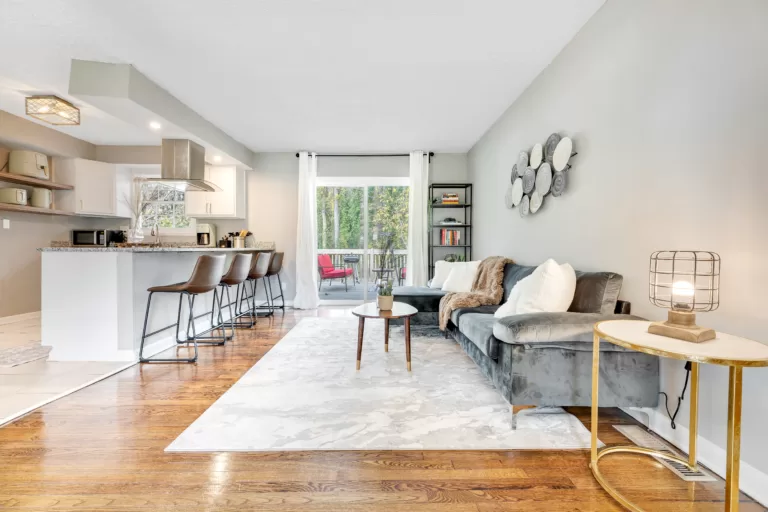
White cabinets, white countertops, white backsplashes, and white walls once seemed like the safest recipe for a bright, modern kitchen. Now the completely white look can feel sterile, with warmer woods, creamy neutrals, earthy greens, muted blues, and other natural colors bringing character back into kitchens.
Matte Black Everything
Matte black faucets, cabinet pulls, lighting, and fixtures exploded in popularity because they provided instant contrast against white kitchens. After appearing practically everywhere, however, designers are beginning to favor a more layered approach that mixes black with warmer metals such as brass and bronze.
Stark Two-Tone Cabinets
Dark lower cabinets paired with dramatically lighter uppers became another recognizable kitchen formula. Designers are now leaning toward softer tone-on-tone combinations that provide dimension without visually chopping the kitchen into two distinctly different sections.
Subway Tile Backsplashes
Classic white subway tile was once the backsplash almost everyone seemed to choose because it was affordable, neutral, and easy to work with. After years of appearing in countless renovations, homeowners looking for something more distinctive are turning toward handmade-looking tile, interesting shapes, texture, color, and natural stone.
Industrial Everything
Concrete counters, exposed bulbs, black metal stools, steel accents, and other industrial elements once gave kitchens an edgy restaurant-inspired look. Too much of it can make a home feel cold, so those harder materials are increasingly being balanced or replaced with wood, plaster, glazed tile, rugs, and other warmer textures.
Cherry Cabinets With Busy Granite
Dark reddish cherry cabinets paired with heavily patterned granite were once a sign that a kitchen had received a serious upgrade. Today, that combination can immediately call to mind kitchens of the early 2000s, while lighter woods and quieter countertops tend to feel more current.
Perfectly Matching Hardware
There was a time when the faucet, cabinet pulls, knobs, lighting, and other metal finishes were expected to match perfectly. Today’s kitchens are becoming less rigid, with thoughtfully mixed metals and different styles of knobs and pulls creating a collected-over-time appearance.
Oversized Stainless Steel Range Hoods
A huge stainless steel hood once helped give a residential kitchen the coveted professional-chef look. Designers are increasingly treating the hood as an architectural feature instead, using plaster, wood, tile, stone, and other materials that blend more naturally into the room.
Oversized Commercial-Style Refrigerators
Enormous professional-style refrigerators became another status symbol in high-end kitchens, but they can visually dominate the room and take up a surprising amount of space. Some homeowners are instead spreading refrigeration around the kitchen with concealed appliances, under-counter units, beverage refrigerators, or additional freezer storage elsewhere.
Pot Fillers
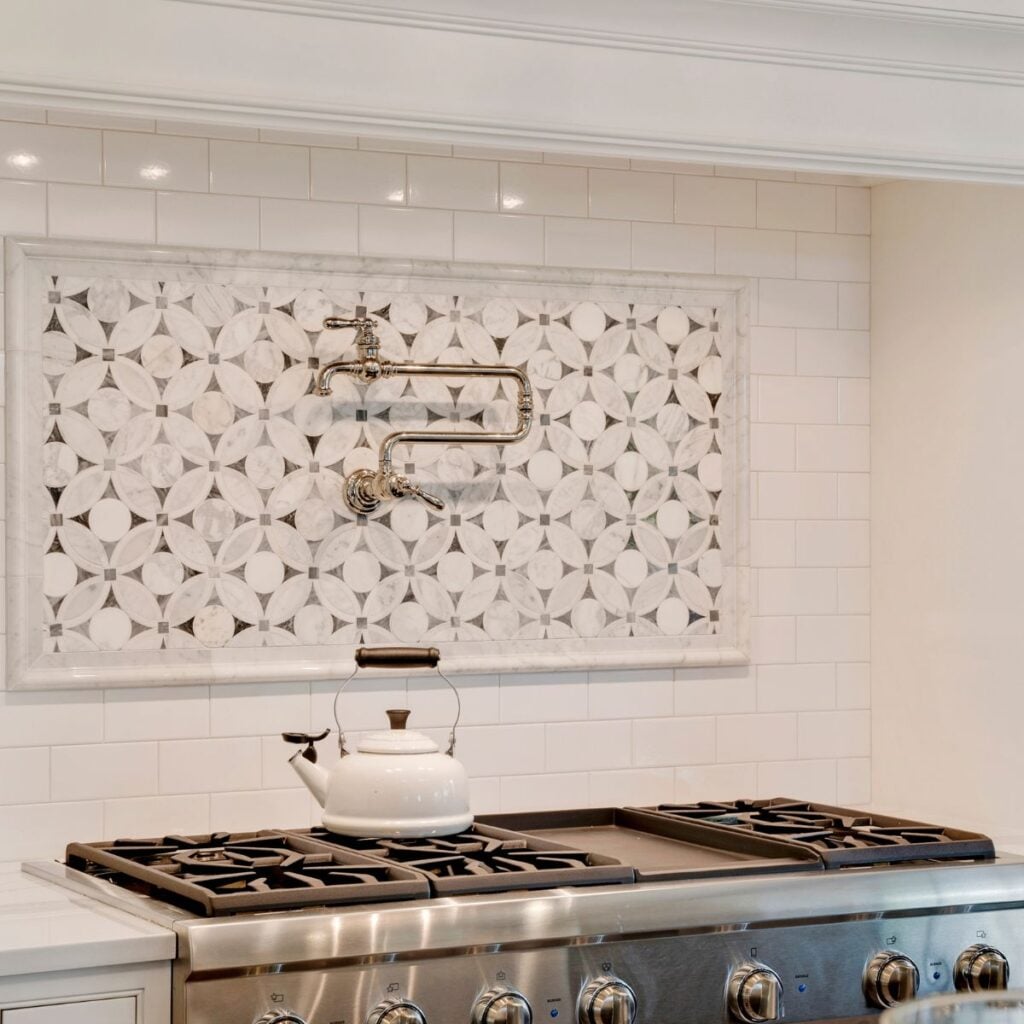
For a while, adding a faucet directly above the stove seemed like the ultimate kitchen luxury. But once the novelty wears off, you’re left with additional plumbing for something that fills a pot but doesn’t eliminate the need to carry that same heavy pot back to the sink to drain it.
Tuscan-Style Kitchens
Heavy cabinetry, ornate details, dark finishes, warm brown stone, and other Tuscan-inspired elements once represented luxury in American kitchens. As kitchens have become lighter and simpler, the heavily decorated version of this early-2000s aesthetic can make a space feel much older than it actually is.