
Not every plant wants hours of blazing summer sun. In fact, some of the most beautiful garden plants actually struggle in hot, dry conditions and perform far better in cooler, shaded areas. Too much direct sunlight can leave their leaves scorched, their blooms faded, and the soil around their roots dried out far too quickly.
Here are some beautiful plants that prefer cooler, shaded conditions and won’t appreciate intense summer heat.
Bleeding Heart
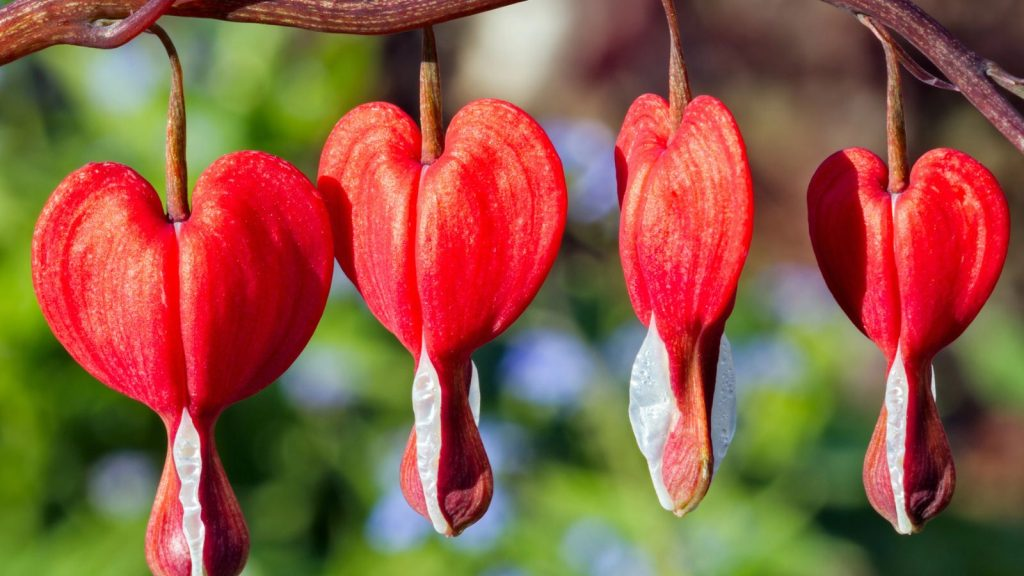
Bleeding Heart is known for its graceful arching stems covered in dangling heart-shaped flowers. It adds a soft, romantic look to shady gardens and cottage-style landscapes.
This perennial prefers rich, consistently moist soil and cooler temperatures. Too much summer heat or strong afternoon sun can cause the foliage to fade quickly.
Turtlehead

Turtlehead gets its name from its unusual flowers, which resemble tiny turtle heads peeking out from the stems. It blooms later in the season than many shade plants, making it especially useful for adding color to woodland gardens in late summer and early fall.
This plant thrives in moist soil and is partial to full shade. The pink or white flowers also attract pollinators like bees and butterflies.
Virginia Bluebells
Virginia Bluebells are one of the prettiest spring woodland flowers, producing clusters of soft bell-shaped blooms that shift from pink to blue as they mature. They naturalize beautifully and can slowly spread into large drifts beneath trees.
These plants prefer cool, moist conditions and often go dormant once summer heat arrives, which is completely normal.
Ladybells
Ladybells produce delicate violet-blue bell-shaped flowers that sway gently above leafy green stems. They add height and movement to shady garden beds without becoming overly aggressive.
They grow especially well beneath trees or along woodland borders where the soil stays cool and slightly moist.
Jack in the Pulpit
Jack in the Pulpit is one of the most unusual native woodland plants you can grow. Its hooded flower structure gives it an almost tropical appearance despite being a hardy shade perennial.
This plant naturally grows on forest floors and thrives in deep shade with rich, damp soil. It pairs beautifully with ferns and other woodland plants.
European Wild Ginger
European Wild Ginger forms a thick carpet of glossy, heart-shaped leaves that work beautifully as ground cover. While its small flowers often go unnoticed beneath the foliage, the leaves themselves are what make this plant so attractive.
It dislikes dry, hot conditions and performs best in rich, shaded soil that stays evenly moist.
Hybrid Astilbe
Astilbe brightens shady gardens with feathery plumes of flowers in shades of pink, red, lavender, and white. Even after blooming, the fern-like foliage stays attractive throughout the season.
Because heat can dry them out quickly, Astilbes appreciate shade and consistently moist soil, especially during summer.
Hardy Begonia
Hardy Begonias bring both flowers and striking foliage to shaded gardens. Their soft pink blooms and heart-shaped leaves create a lush, tropical feel in cooler garden spaces.
They grow best in rich soil with regular moisture and protection from harsh afternoon sun.
Foxglove
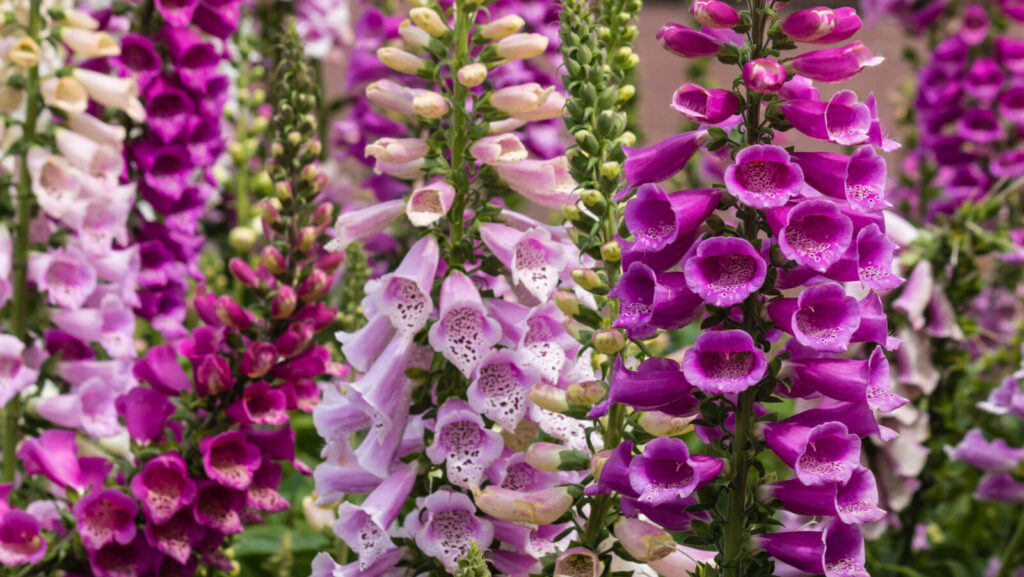
Foxgloves produce tall spikes of tubular flowers that attract hummingbirds and other pollinators. They’re especially beautiful in cottage gardens and woodland borders.
While they tolerate some morning sun, intense summer heat can quickly stress them. Partial shade helps keep blooms lasting longer.
Japanese Painted Fern
Japanese Painted Fern is grown mostly for its stunning foliage rather than flowers. The silvery-green fronds with purple accents add beautiful contrast to the darker parts of the garden.
This fern thrives in cool, shaded conditions and looks especially striking near ponds, streams, or shaded pathways.
Related: Decorating with Your Birthstone Color Might Be the Most Personal Design Trend Yet
Lenten Rose (Hellebore)
Lenten Roses bloom incredibly early, sometimes even while snow is still on the ground. Their flowers come in shades ranging from creamy white to deep burgundy and often last for weeks.
These hardy perennials prefer filtered light and cooler conditions, making them excellent for woodland-style gardens.
Hostas
Hostas remain one of the most reliable shade plants because of their large, dramatic leaves and easy-care nature. They come in countless sizes, textures, and colors, ranging from deep green to blue-gray and variegated cream patterns.
Most hostas prefer protection from intense afternoon sun, especially lighter-colored varieties that scorch easily.
Woodland Phlox
Woodland Phlox forms low mounds covered in fragrant flowers during spring. The blooms attract butterflies and brighten shady pathways or spaces beneath trees.
It performs best in cool woodland conditions where the soil stays evenly moist through spring and early summer.
Solomon’s Seal
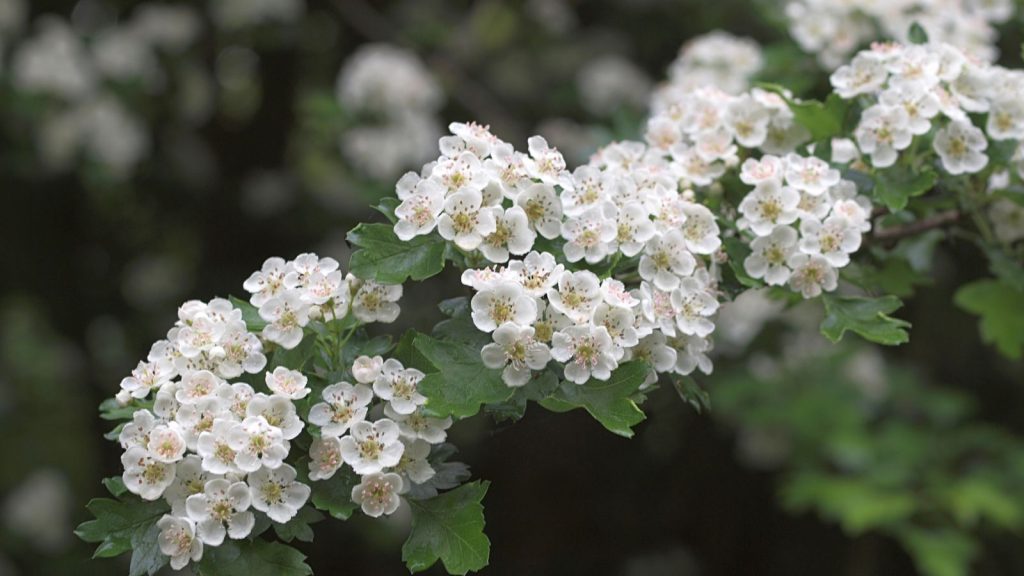
Solomon’s Seal produces elegant arching stems lined with dangling white flowers beneath soft green foliage. It brings a graceful, natural woodland look to shaded gardens.
This plant thrives in damp, shady locations and slowly spreads over time into attractive colonies.
Foamflower
Foamflower is a low-growing woodland perennial with airy spikes of tiny white or blush-colored blooms. Its leaves often develop beautiful maroon markings as the season progresses.
It’s an easy, low-maintenance plant that works especially well as a shade ground cover.
Autumn Fern
Autumn Fern adds changing color and texture to shaded gardens throughout the year. New fronds emerge in coppery orange tones before maturing into deep green.
This fern handles humidity well but prefers protection from harsh summer sun and dry soil.
Other Topics You Might Like
- 13 Gardening Antiques Collectors Love and Often Pay Up For
- I Stopped Buying Fertilizers After Years of Gardening and Started Using This Instead
- Some of the Best Gardening Tips I Ever Got That Break All the Rules
- 9 Vintage Gardening Tools Hiding in Grandma’s Potting Shed— Some Could Be Worth a Small Fortune