Gardening advice is everywhere. Books, blogs, and neighbors are always ready with a list of rules about what you should and shouldn’t do in the garden. Plant at the exact right time. Never water at noon. Keep beds perfectly tidy. Fertilize regularly.
But over time, one thing becomes clear: not every gardening rule works the same way in every garden.
Some of the most helpful advice gardeners receive actually goes against traditional recommendations. Instead of following every rule perfectly, experienced gardeners often pay attention to what their plants and soil are telling them and adjust along the way.
These are some of the gardening tips that break the usual rules but often lead to healthier plants and a more enjoyable gardening experience.
Let Your Garden Be a Little Messy
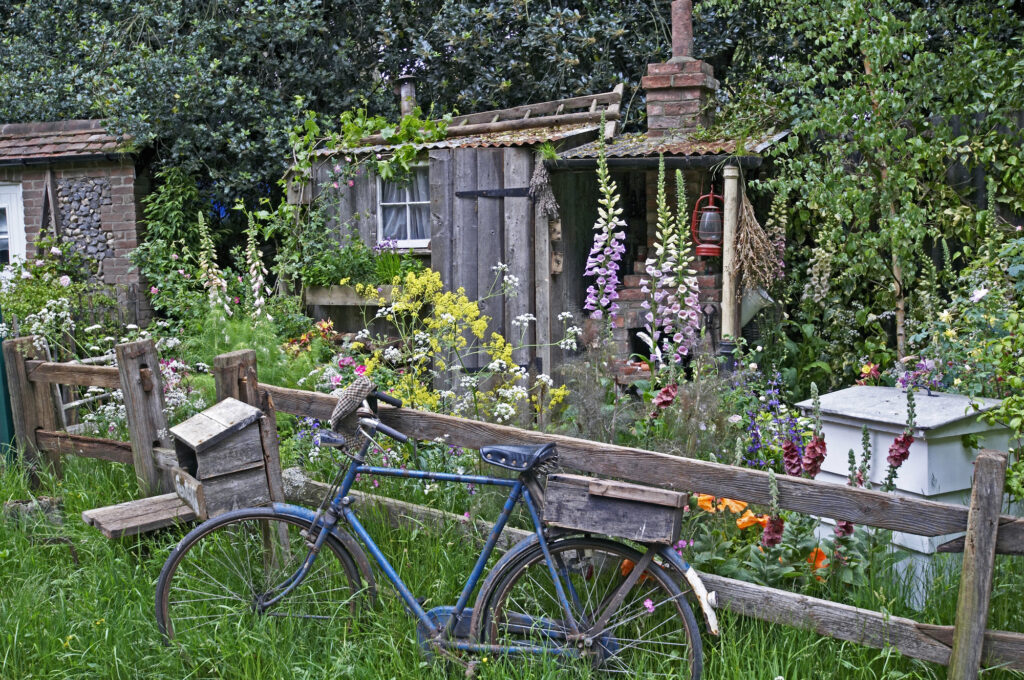
Perfectly neat gardens may look nice in photos, but real gardens often thrive with a bit of natural chaos.
A few weeds, self-seeding flowers, and slightly wild edges can actually create a healthier garden environment. These small imperfections help support insects, pollinators, and soil life that all contribute to a thriving garden ecosystem.
Sometimes letting nature do its thing produces better results than trying to control every inch of the space.
Mix Herbs and Flowers Together
Traditional garden plans often separate herbs, vegetables, and flowers into their own sections. But many gardeners find that mixing them together works surprisingly well.
Herbs like basil, rosemary, and lavender can help deter certain pests, while flowering plants attract beneficial insects. Combining them in the same bed can create a more balanced and resilient garden.
Don’t Assume More Fertilizer Is Better
One common gardening rule is that plants need regular fertilizer to grow well. But adding too much fertilizer can actually weaken plants instead of helping them.
Excess fertilizer often encourages fast, soft growth that becomes more vulnerable to pests and disease. Many gardeners find that building healthy soil with compost and organic matter provides steadier nutrition for plants without the risk of overfeeding them.
Watch the Weather Instead of the Calendar
Planting calendars are helpful, but they don’t always reflect what’s actually happening in a specific garden.
A warm early spring or a late cold spell can change ideal planting times. Paying attention to soil temperature, recent weather patterns, and how plants are responding often gives better guidance than strictly following a printed schedule.
Talk to Your Plants
It may sound like an old gardening myth, but many gardeners believe that talking to plants helps them stay more attentive to their garden.
Even if plants aren’t responding directly to conversation, spending time observing them closely helps gardeners notice early signs of stress, pests, or nutrient problems.
And there’s no denying that tending the garden can be relaxing and grounding.
Water When Plants Need It
Gardeners are often told never to water during the middle of the day because water evaporates quickly in the sun.
While morning watering is generally best, there are times when plants clearly need water right away. If plants are drooping in extreme heat, a quick drink can help them recover before stress becomes serious.
Sometimes responding to what the plants are showing is more helpful than following a strict watering rule.
Use Coffee Grounds Carefully
Coffee grounds are often promoted as a miracle soil amendment, but they can cause problems if overused.
Because they are rich in nitrogen and slightly acidic, adding large amounts directly to soil may disrupt nutrient balance. Many gardeners prefer to add coffee grounds to compost piles or use them in small amounts around certain plants.
Like many natural amendments, moderation tends to work best.
Experiment with Soil Blends
There is often a lot of discussion about finding the “perfect” soil mix. But different plants thrive in different soil conditions.
Some gardeners find that adjusting soil mixtures to suit specific plants works better than relying on a single standard blend. Adding organic matter, sand, clay, or compost in different combinations can improve drainage, moisture retention, and soil structure depending on the situation.
Let Beneficial Insects Help
The first reaction to seeing pests in the garden is often to reach for sprays or treatments.
However, many insects that appear in gardens are actually helpful. Ladybugs, lacewings, spiders, and parasitic wasps all prey on common garden pests.
Allowing these natural predators time to do their job can help restore balance in the garden without the need for chemical treatments.
Rotate Crops Each Season
Crop rotation may sound like something only large farms practice, but it can be just as helpful in small gardens.
Moving vegetables and flowers to different spots each season helps prevent soil depletion and reduces the chance of pests and diseases building up in one location.
Even a simple rotation plan can improve soil health and plant growth over time.
Prune with a Lighter Touch
Pruning is important, but heavy pruning isn’t always necessary.
Cutting back too much growth can stress plants, especially younger ones. Many gardeners find that removing only dead or damaged branches allows plants to grow more naturally while staying healthy.
Leave Some Leaves Behind
Raking every fallen leaf from the garden might look tidy, but those leaves are actually valuable organic material.
As they break down, leaves return nutrients to the soil and help retain moisture around plant roots. Many gardeners now use fallen leaves as natural mulch rather than treating them as yard waste.
Grow Plants You Truly Enjoy
Beginners are often encouraged to start with only the easiest plants. While that advice can be helpful, it’s also important to grow plants that bring joy.
Whether it’s a fragrant herb, a favorite flower, or a vegetable that requires a little extra care, growing plants that genuinely excite you makes gardening far more rewarding.
Take Time to Enjoy the Garden
One of the most overlooked pieces of gardening advice is also one of the most important.
Gardening is about creating a space that feels peaceful and alive. Stepping back to enjoy the colors, scents, and wildlife in the garden can be just as rewarding as planting and harvesting.
Other Topics You Might Like
- If a neighbor’s tree falls on your home in California, who is responsible?
- Need to Block a Neighbor’s View of Your Yard? Here’s How to Do It Without Starting a War
- If a fence falls between neighbors in California, who is responsible for repairs?
- If You Spot These Vintage Garden Peices at a Garage Sale, Grab Them Fast