If you’ve ever stepped into an old potting shed, the kind with dusty shelves, coffee cans full of nails, and tools hanging from bent hooks, you know it feels like stepping back in time. Most people see clutter. Collectors see opportunity.
Vintage gardening tools were built differently, with heavier steel, hardwood handles, hand-forged detail, and certain pieces have quietly become highly collectible. Before you clear out that old shed or pass over a box at an estate sale, here are the types of tools and garden pieces that could be worth far more than they look.
1. Early Hand-Forged Garden Tools
Older tools from the late 1800s through the early 1900s were often hand-forged by blacksmiths. Look for solid steel construction, uneven hammer marks, and wooden handles secured with brass rivets. Small border forks, fern trowels, dibbers, and narrow hand cultivators are especially desirable when they’re intact and not heavily pitted.
Condition matters, but even tools with surface rust can hold value if the structure is solid and the handle is original.
2. Wooden-Handled Rakes and Hoes
Vintage rakes with hardwood handles feel noticeably heavier and sturdier than modern versions. Some early models feature five-tine or short-tine heads designed for detailed cultivation. Collectors often look for tools that still have their original finish and minimal repairs.
Authenticity is key — modern reproductions don’t have the same weight, balance, or aging.
3. Antique Watering Cans
Old galvanized or copper watering cans are highly sought after. Handmade examples often have thicker metal, unique spout shapes, and visible solder marks. Certain European brands and early American makers can command impressive prices, especially if the can hasn’t been overly restored.
Even dented examples can be valuable if the craftsmanship is clear.
4. Cast and Wrought Iron Garden Pieces
While technically furniture, cast and wrought iron benches, urns, and planters often ended up in or near the potting shed. True wrought iron is hand-forged and incredibly heavy, with no visible mold lines. Cast iron pieces often feature detailed scrollwork.
Rare or early examples, especially matching sets, can sell for hundreds or even thousands.
5. Antique Dibbers and Seed Tools
Planting dibbers, simple wooden or metal tools used to make holes for seeds, can be surprisingly collectible. Hand-etched measurement marks, carved handles, and signed pieces increase value. These tools were frequently handmade and reflect a level of craftsmanship rarely seen today.
6. Vintage Garden Sprayers
Early brass or copper hand-pump sprayers are another hidden gem. Decorative details and maker’s marks make a big difference. Fully intact models with functioning components are especially desirable.
7. Cast Iron Urns and Planters
If you stumble across a heavy cast iron urn in a shed corner, take a closer look. Original patina is preferred over heavy repainting. These pieces are timeless and expensive to buy new; vintage versions are often undervalued simply because they’re heavy and inconvenient to move.
8. Old Toolboxes Filled with Original Tools
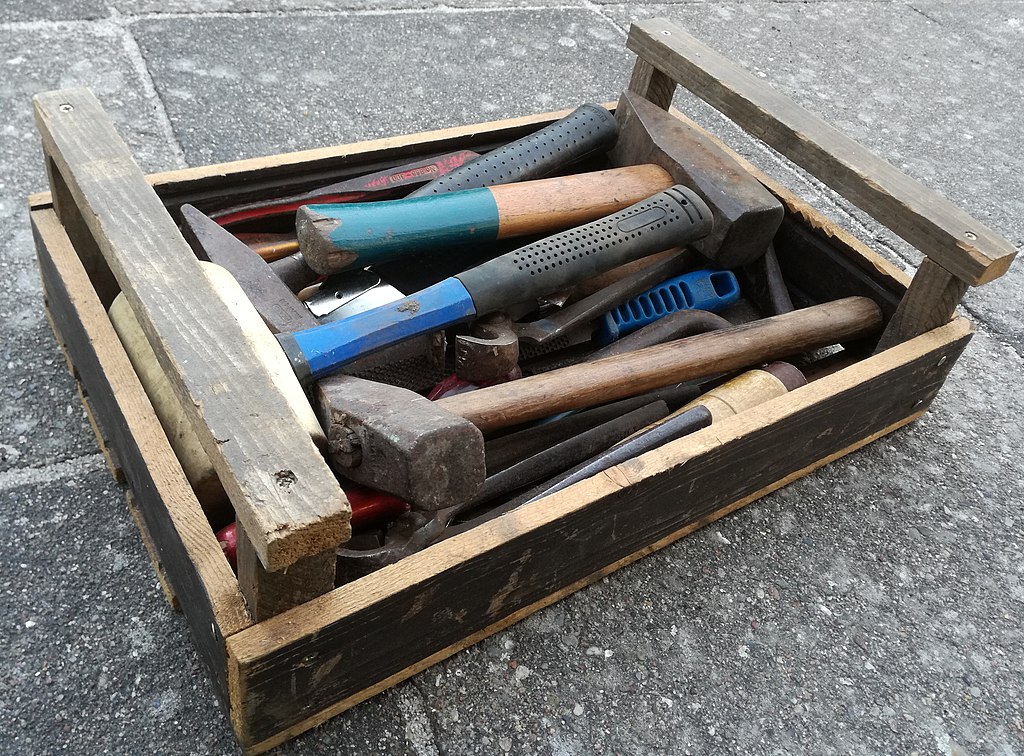
Sometimes the value isn’t in one tool; it’s in the collection. An old wooden toolbox filled with matching or same-era gardening tools can be more desirable as a set.
Original tool groupings that clearly belonged together often appeal to serious collectors.
9. Maker’s Marks Matter
When evaluating vintage garden tools, flip them over. Look for stamped brand names, patent dates, or blacksmith marks. Tools made by well-known manufacturers or artisan makers carry much more value.