The kitchen may be the heart of the home, but it’s also where clutter builds up faster than most people realize. Cabinets fill with items that rarely get used, drawers become harder to close, and countertops slowly get taken over by things kept “just in case.”
Most homes don’t struggle with lack of space. They struggle with holding on to things that no longer serve a purpose. Over time, those extra tools and forgotten gadgets make everyday cooking feel more crowded than it should.
Old-school kitchen wisdom often came down to keeping things simple and only holding onto what actually earned its place. With that in mind, here are items you can let go of without missing them.
Soften Hard Brown Sugar the Easy Way
Grandma never threw out hardened brown sugar. She’d tuck a slice of bread into the container, seal it, and wait. The moisture from the bread would slowly revive the sugar. Simple, inexpensive, and surprisingly effective.
Prevent Boil-Overs With a Wooden Spoon
Place a wooden spoon across the top of a pot of boiling water to disrupt the bubbles before they spill over. It looks almost too easy to work with, but it often is.
Remove Garlic and Onion Odors Naturally
When stubborn kitchen smells clung to her hands, Grandma didn’t reach for fancy soaps. She’d rub them with fresh parsley, a bit of baking soda mixed with salt, or even use coffee grounds to scrub away the scent.
Fix Bitter Coffee
If the coffee tasted too sharp, she’d add a tiny pinch of salt. That small adjustment softened the bitterness and balanced the flavor without masking it.
Peel Boiled Eggs Without a Struggle
Adding a bit of baking soda to the boiling water was her trick for easier egg peeling. It helped loosen the shell, making cleanup quicker and less frustrating.
Chop Onions Without the Tears
Grandma swore by chilling onions before cutting them. The cold slowed down the compounds that cause tearing. Chewing gum while chopping was another surprising trick; it encourages mouth breathing, which helps keep eyes from stinging.
Test Oil Without a Thermometer
Before digital thermometers existed in every drawer, she’d dip the end of a wooden spoon into hot oil. If bubbles gathered around it, the oil was ready for frying.
Check if Eggs Are Fresh
A bowl of water was all she needed. Fresh eggs sink. Old eggs float. No guessing required.
Use Vinegar for Sparkling Glass
A splash of vinegar in the dishwasher or a quick vinegar-and-water wipe-down kept glassware clear and streak-free. Hard water spots didn’t stand a chance.
Save Bacon Grease
Nothing was wasted. Bacon grease was strained, stored in a jar, and used to add deep flavor to eggs, vegetables, or beans. It was budget-friendly and flavorful.
Keep Salads Crisp
To prevent wilting, she’d tuck a damp paper towel into the salad bowl and seal it tightly. The moisture helped keep the greens fresher for longer.
Dredge Before Frying
For crispier fried foods, flour went on first. That thin coating helped create the golden crunch everyone loved.
Tenderize Tough Cuts of Meat
A simple overnight marinade with vinegar and broth softened tougher cuts, stretching the grocery budget while improving flavor.
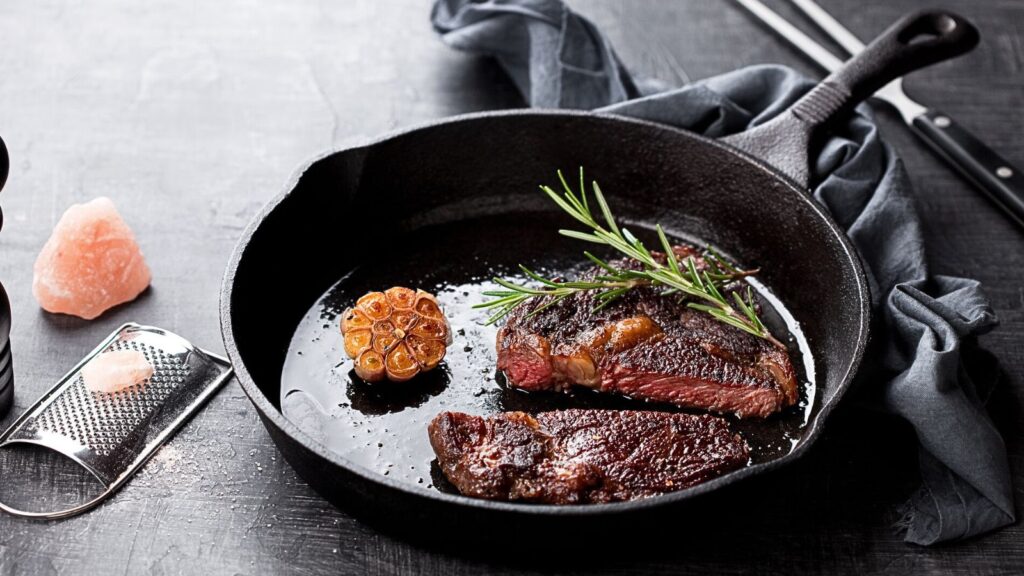
Clean Cast Iron With Salt
Instead of soap, coarse salt was her scrubber of choice for cast iron. It cleaned without stripping away seasoning.
Everyone Loves Their Cast Iron Skillets But No One Agrees on the Right Way to Care for Them
Deodorize the Fridge With Baking Soda
A small dish of baking soda in the refrigerator quietly absorbed odors. She refreshed it every few months and rarely dealt with lingering smells.
Parboil Potatoes for Better Texture
Briefly boiling potatoes before roasting helped them cook evenly and crisp up beautifully in the oven.
Preserve What You Grow
Canning wasn’t trendy; it was practical. Preserving fruits and vegetables meant enjoying harvest flavors year-round and wasting nothing.