Grilling can look simple from the outside. Turn up the heat, toss the food on, flip it a couple of times, and wait for it to finish. But anyone who grills regularly knows it doesn’t always go that smoothly. Even experienced grillers end up with dry meat, uneven cooking, flare-ups, or food that doesn’t quite turn out the way they expected.
Most grilling mistakes aren’t dramatic. They’re small habits that sneak in over time, and they’re easy to overlook until the results show up on the plate.
Here are the common missteps even experienced grillers still make, and what helps avoid them.
Not Preheating the Grill
One of the biggest mistakes happens before the food even hits the grates. If you don’t give your grill time to fully preheat, you’ll struggle with sticking, weak sear marks, and uneven cooking. Let the grill heat up properly so you get that immediate sizzle when food hits the surface.
Skipping the Marinade
Flavor doesn’t happen by accident. Even a simple marinade can transform meat and vegetables. Ingredients like mustard, Worcestershire sauce, soy sauce, miso, or a splash of vinegar add depth while helping tenderize tougher cuts. A little prep time goes a long way.
Overcrowding the Grill
It’s tempting to fit everything on at once, especially when you’re cooking for a crowd. But crowding the grates traps heat and moisture, leading to uneven cooking and more flare-ups. Give your food space. Cook in batches if you have to.
Flipping Too Often
Constant flipping prevents a proper sear from forming. Once food is on the grill, let it cook undisturbed long enough to develop a crust. If it’s sticking, it probably isn’t ready to turn yet.
Flipping Before It’s Ready
Along the same lines, don’t force it. Meat will naturally release from the grates when it’s ready to flip. If you have to pry it loose, give it more time.
Forgetting to Let Meat Rest
Pulling food off the grill and slicing immediately means losing all those flavorful juices. Resting meat for about 10–15 minutes allows juices to redistribute, keeping it tender and flavorful.
Using Too Much Sauce Too Early
Sugary sauces burn quickly over high heat. Instead of coating meat early on, wait until the final few minutes of cooking or serve the sauce on the side. This prevents charring and bitterness.
Not Managing Flare-Ups
Fat dripping onto coals or burners causes sudden flames that can scorch your food. Instead of panicking, move the food to a cooler part of the grill and let the flames settle. Creating heat zones in advance helps avoid this issue.
Forgetting the Vegetables
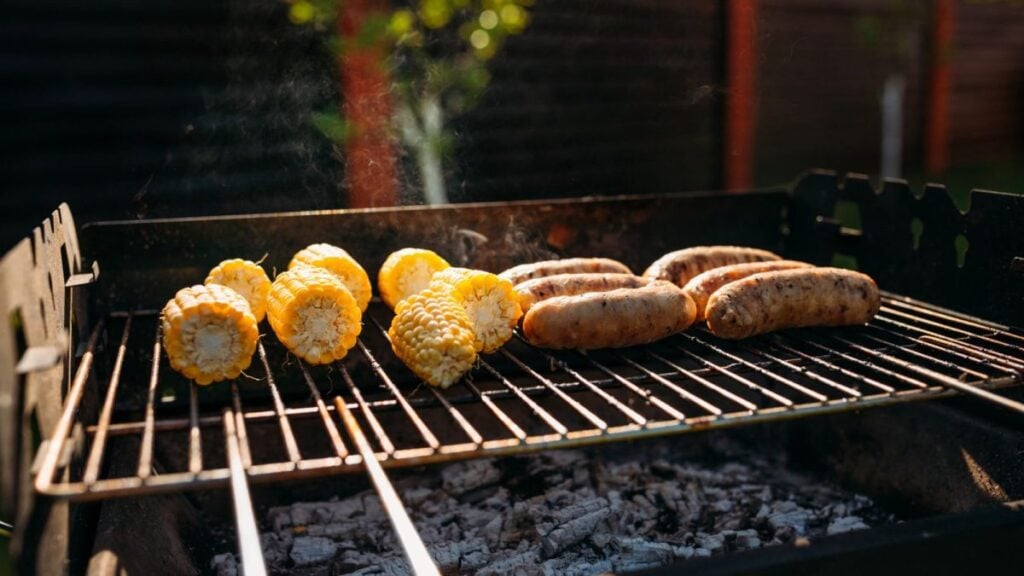
Grilled vegetables aren’t an afterthought; they’re often the highlight. Zucchini, peppers, corn, asparagus, and mushrooms take on incredible flavor over open heat. A little oil and seasoning are all they need.
Using Low-Quality or Damp Charcoal
If you’re using charcoal, quality matters. Cheap or poorly stored charcoal burns inconsistently, leading to temperature swings that make cooking unpredictable.
Ignoring Gas Grill Maintenance
If you use a gas grill, don’t overlook safety checks. Inspect hoses for cracks and make sure burners are functioning properly. A poorly maintained grill affects both safety and performance.
Starting With Dirty Grates
Leftover residue from previous cookouts can affect flavor and cause sticking. Brush grates clean while they’re still warm, so they’re ready for the next round.
Guessing Doneness
Even experienced grillers misjudge internal temperatures. A meat thermometer takes the guesswork out of it and ensures food is safe and cooked perfectly.
Using the Wrong Tools
Piercing meat with a fork lets valuable juices escape. Use tongs or a sturdy spatula instead. The right tools protect both the meat and the flavor.