Dining out is one of life’s simple pleasures. It’s a chance to catch up with friends, take a break from cooking, or just enjoy a meal someone else prepares. But small decisions at the table can quietly push the final bill higher than expected.
Many diners end up spending more without realizing it. Extra sides, add-ons, skipping set meals, or ordering pricier items without checking the menu closely can all add a few dollars here and there. Over time, those small choices make a noticeable difference.
Here are some costly restaurant habits that can easily lead to a bigger bill.
Ordering the Most Expensive Menu Items
It’s easy to assume the most expensive dish on the menu will be the best choice, but that’s not always the case. Many restaurants price certain items higher because of specialty ingredients or presentation rather than flavor.
Mid-range menu options are often just as satisfying and sometimes even more popular with regular customers. Taking a moment to scan the menu before choosing can help you find a great meal without paying top-dollar prices.
Ordering “Specials” Without Asking the Price
Daily specials can sound appealing when your server describes them, but they’re not always budget-friendly. In some restaurants, specials feature premium ingredients and can cost significantly more than the regular menu items.
Since prices aren’t always listed, it’s perfectly reasonable to ask before ordering. A quick question can help you avoid an unexpected surprise when the bill arrives.
Paying for Bottled Water
Bottled water often seems like a harmless upgrade, but it can add several dollars to your bill. In many restaurants, tap water is filtered and perfectly safe to drink. Unless you strongly prefer bottled water, choosing tap water is an easy way to keep your total lower without affecting the overall dining experience.
Skipping Happy Hour Deals
Happy hour specials can offer some of the best value on a restaurant’s menu. Many places offer discounted appetizers, drinks, or small plates during certain hours of the day.
If you’re flexible with timing, arriving during happy hour can significantly reduce the cost of your meal. It’s a simple way to enjoy the same food and drinks for less.
Not Checking for Service Charges
Some restaurants automatically add a service charge or gratuity to the bill, especially for larger groups. If you’re not paying attention, it’s easy to accidentally tip on top of an already included charge. Taking a quick look at the bill before adding extra tip ensures you’re not paying more than intended.
Ordering Too Many Appetizers
Appetizers are tempting, especially when dining with a group, but ordering several before the main course can quickly increase the bill. Many appetizers are also large enough to share. Limiting the number you order or splitting one among the table can keep costs down while still letting everyone try something new.
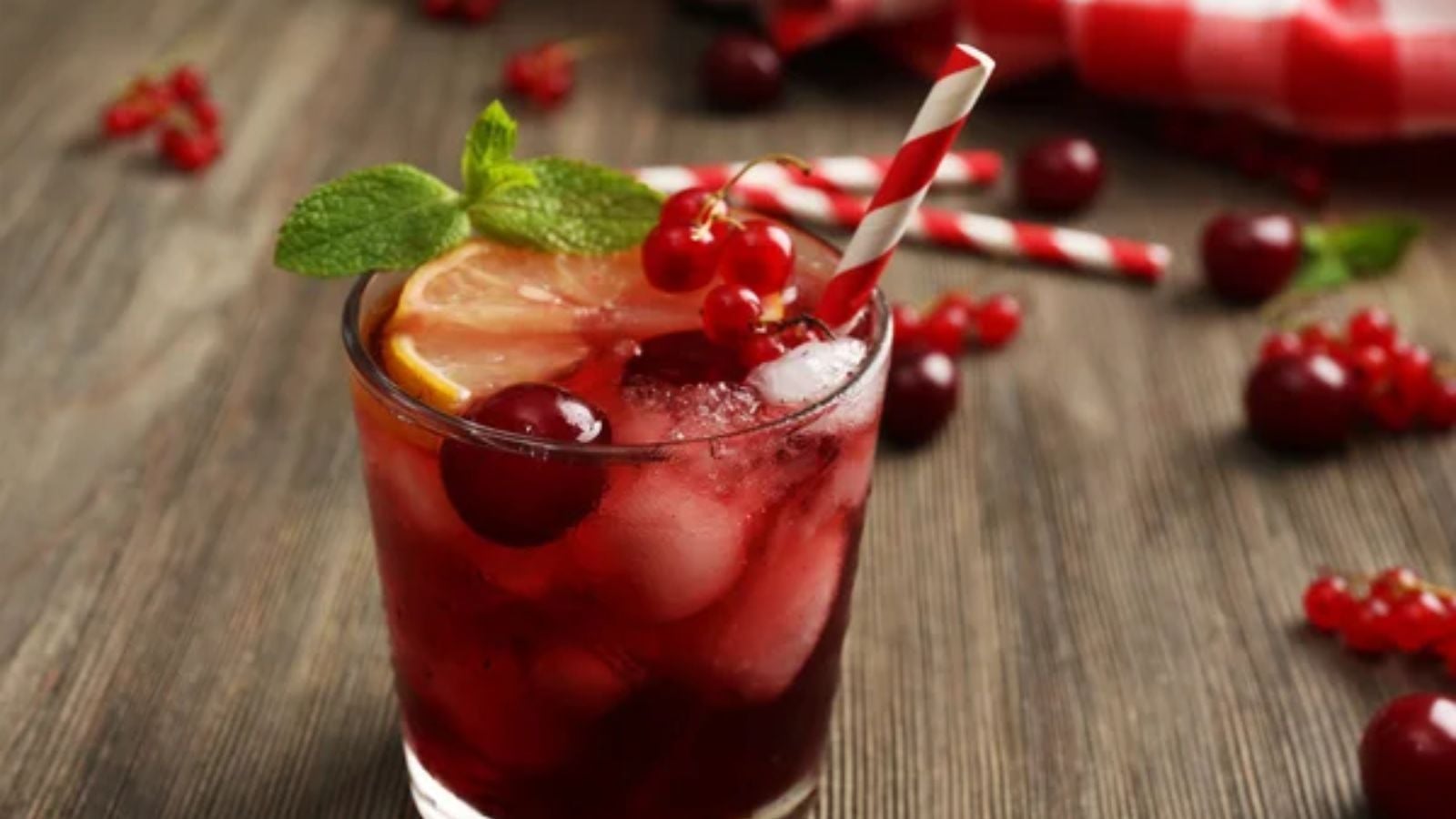
Paying for Fancy Drinks
Specialty cocktails and premium beverages often come with a higher price tag. While they can be enjoyable, ordering multiple drinks throughout the meal can add a surprising amount to the final total. Choosing simpler drinks, house wines, or sticking with one beverage can make a noticeable difference in your bill.
Opting for Premium Sides
Some menu items allow upgrades to premium side dishes such as specialty fries, salads, or vegetables. While these options may sound appealing, they often come with an additional charge. Sticking with the standard sides included with your meal can help keep the cost closer to the listed menu price.
Getting Dessert When You’re Already Full
Desserts can be tempting, especially when they’re displayed or described in detail. But ordering one when you’re already full often leads to leftovers or unfinished plates. Sharing a dessert with someone at the table can still satisfy your sweet tooth while avoiding unnecessary spending.
Not Sharing Dishes
Many restaurants serve portions that are larger than one person needs. Sharing appetizers or even splitting an entrée can be a practical way to reduce the overall cost of the meal. It also allows you to try multiple dishes without ordering more food than necessary.
Ordering More Than You Can Eat
It’s easy to get carried away when browsing a menu, especially if everything sounds good. Ordering more food than you can finish not only wastes money but often leads to food waste as well. Choosing dishes thoughtfully or planning to take leftovers home can help you get the most value from your meal.
Adding Unnecessary Extras
Extras like additional sauces, extra cheese, or premium toppings may seem like small upgrades, but they often come with added charges. When several of these add-ons are included in one meal, the cost can rise quickly. Paying attention to these small upgrades can help keep the bill from creeping higher than expected.