If your monthly energy bill makes you wince, it may not be your utility company’s fault. Often, it’s the small, everyday habits in your home that quietly drive up costs.
The average American household spends more than $2,000 a year on energy for heating, cooling, lighting, and appliances. What many homeowners don’t realize is how much of that money is tied to simple routines; lights left on, overlooked maintenance, inefficient settings, or outdated equipment. But most of these habits are fixable.
If your energy bill is high, take a closer look at these everyday behaviors that could be quietly draining your wallet.
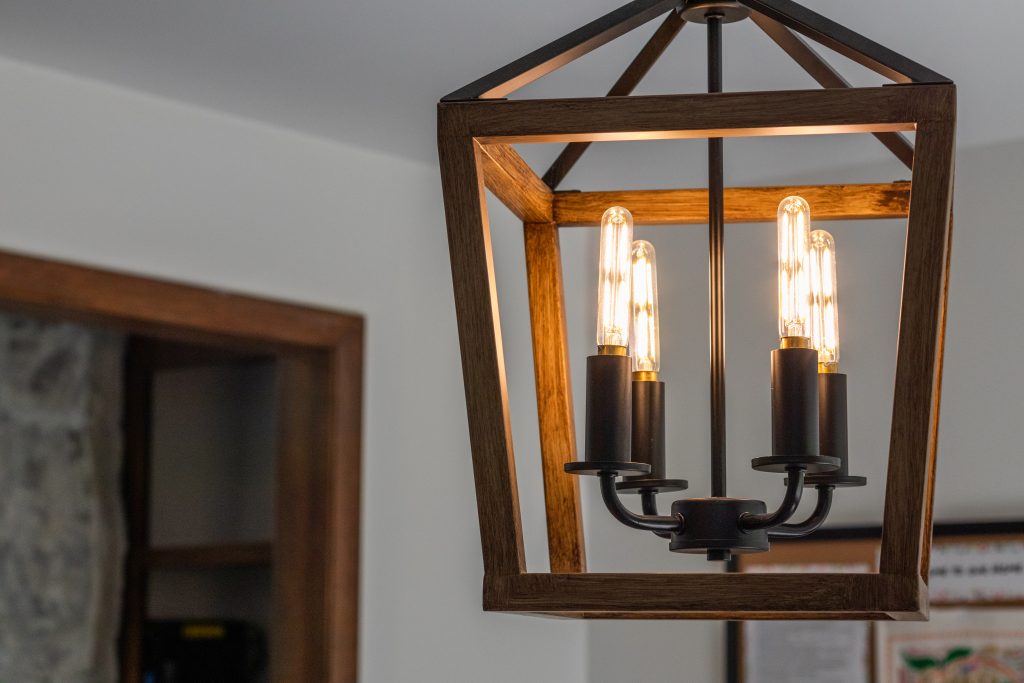
Leaving Lights On in Empty Rooms
It feels harmless to leave a light on “just for a minute,” but those minutes add up. Lighting accounts for a noticeable share of home energy use, especially if you’re still using older bulbs.
Switching to LED bulbs dramatically reduces energy consumption, and building the simple habit of flipping the switch when you leave a room can make a real dent in your bill. Motion sensors, smart lighting, and timers can help if forgetfulness is the problem.
Ignoring Drafts and Air Leaks
If your heating and cooling system seems to run constantly, air leaks could be the reason. Small cracks around windows, doors, and baseboards allow conditioned air to escape, forcing your HVAC system to work overtime.
Sealing leaks with weatherstripping or caulk is inexpensive and can significantly reduce heating and cooling costs. Even a simple hand test on a windy day can reveal hidden problem areas.
Running Half-Empty Dishwashers and Washers
If you frequently run small loads in your dishwasher or washing machine, you’re using nearly the same amount of energy and water as a full load for fewer items.
Waiting until appliances are full, or adjusting settings for smaller loads, can lower both energy and water consumption without changing your routine dramatically.
Leaving Electronics Plugged In
Even when turned off, many electronics continue pulling power. Televisions, gaming consoles, coffee makers, and chargers often use “phantom energy” while sitting idle.
Using smart power strips or unplugging devices when they aren’t in use can prevent this silent drain. Over time, standby power can add up to a surprising portion of your annual electricity costs.
Skipping HVAC Maintenance
Your heating and cooling system is one of the biggest energy users in your home. When filters are clogged or maintenance is skipped, the system works harder and uses more electricity.
Replacing air filters regularly and scheduling annual inspections can improve efficiency and extend the life of your system. A well-maintained HVAC unit doesn’t just perform better it costs less to operate.
Holding On to Outdated Appliances
Older refrigerators, dishwashers, and washing machines consume significantly more energy than modern, high-efficiency models.
If your appliances are more than 10 to 15 years old, upgrading to ENERGY STAR–rated versions can reduce electricity use by 10 to 50 percent, depending on the appliance. Over time, the savings can offset the upfront cost.
Related: Kitchen Appliance Checklist: Your 19 Must-Haves
Keeping the Thermostat at One Setting All Day
If your thermostat stays at the same temperature whether you’re home or not, you’re likely wasting energy.
Programmable or smart thermostats let you automatically lower heating or cooling when the house is empty or when everyone is asleep. Even adjusting the temperature by a few degrees can noticeably reduce annual energy costs.
Setting the Water Heater Too High
Many water heaters are set too high. A setting around 120 degrees Fahrenheit is sufficient for most households.
Lowering the temperature reduces energy use and extends the unit’s life. Insulating the water heater and nearby pipes can further reduce heat loss.
Forgetting About Refrigerator Maintenance
Your refrigerator runs continuously, making it one of the largest energy consumers in your home.
Cleaning the coils, checking door seals, and keeping the appliance set between 35 and 38 degrees Fahrenheit (with the freezer at 0 degrees) helps it operate efficiently. An overpacked fridge can restrict airflow, while an almost empty one works harder to maintain temperature.
Using Incandescent Bulbs
Traditional incandescent bulbs waste most of their energy as heat rather than light. Switching to LEDs can reduce lighting energy use by up to 75 percent and significantly lower replacement frequency since LEDs last much longer. It’s one of the simplest swaps with one of the biggest impacts.
Poor Insulation
If your home struggles to stay warm in winter or cool in summer, insulation may be the issue.
Heat loss through the roof and attic can account for a large percentage of overall energy waste. Upgrading insulation in attics, walls, or crawl spaces improves comfort and can significantly reduce heating and cooling expenses.
Home Insulation Upgrades: When and How to Improve Existing Insulation
Taking Long, Hot Showers
Long showers don’t just increase water usage; they increase water heating costs, too.
Installing low-flow showerheads and shortening shower time can lower both energy and water bills without sacrificing comfort.
Forgetting to Use Ceiling Fans Properly
Ceiling fans don’t lower the room temperature, but they improve comfort by circulating air.
In summer, running the fan counterclockwise creates a cooling breeze, allowing you to raise the thermostat slightly. In winter, switching to clockwise at low speed helps redistribute warm air. Just remember to turn the fans off when leaving the room.