If you’ve ever looked at your grocery receipt and wondered how it climbed so high, you’re not alone. A lot of us toss items into our carts out of habit, convenience, or clever marketing, not because we truly need them. The problem? Those small, “harmless” purchases quietly drain your budget week after week.
If you want to trim your grocery bill without feeling deprived, start by cutting these unnecessary (and often overpriced) items.
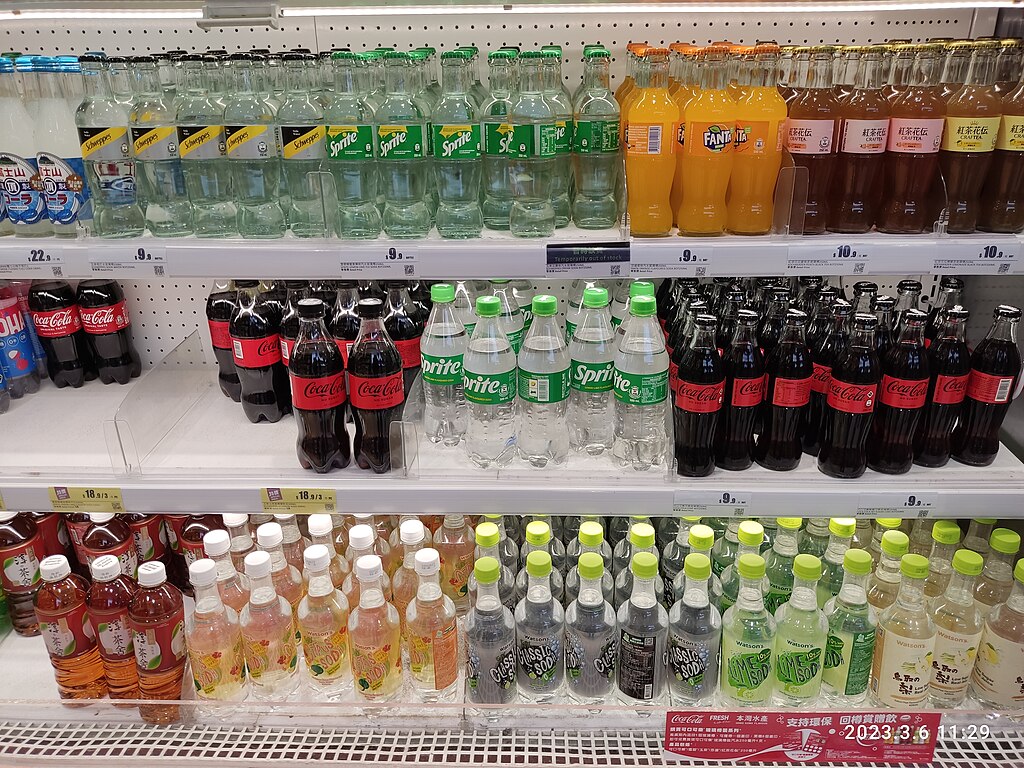
Single-Use Water Bottles
Bottled water might seem convenient, but it’s one of the biggest grocery store money traps. You’re paying exponentially more for something you can get nearly free from your tap. Add in the plastic waste, and it’s a lose-lose.
A reusable water bottle and a simple filter will save you hundreds of dollars a year without sacrificing convenience.
Pre-Sliced Fruits and Vegetables
Yes, they’re convenient. But you’re paying a steep markup for someone else to spend five minutes with a knife. Pre-cut produce also spoils faster, meaning you’re more likely to toss it out before finishing it.
Buy whole fruits and vegetables and slice them yourself. The savings add up quickly.
Individual Snack Packs
Snack-sized bags feel practical, especially for kids’ lunches or on-the-go days. But those tiny portions come at a premium price per ounce. You’re also paying for extra packaging.
Buying larger bags and portioning them into reusable containers cuts costs and reduces waste.
Prepared Meals
Frozen dinners, deli trays, and ready-made entrees promise convenience, but they usually cost far more than cooking from scratch. On top of that, many contain preservatives, extra sodium, and lower-quality ingredients.
Even simple, batch-cooked meals can cost a fraction of what you’d pay for pre-made options.
Exotic or Out-of-Season Produce
Dragon fruit in winter? Imported berries when they’re not in season? These items often carry a hefty price tag.
Choosing seasonal and locally available produce not only saves money, it usually tastes better, too.
Bottled Salad Dressings
Salad dressing is incredibly easy to make at home with basic pantry staples like olive oil, vinegar, lemon juice, and spices. Store-bought bottles often include added sugars and preservatives and cost far more per serving.
Homemade dressing takes minutes and can save you several dollars per bottle.
Specialty Coffee Drinks
Those bottled frappes and gourmet cold brews may taste amazing, but they’re priced like a luxury item. Many are loaded with sugar and syrups, adding empty calories.
Brewing your own coffee at home and adding simple flavorings can dramatically cut this expense.
Frozen Yogurt Cups and Individually Portioned Desserts
Single-serve frozen treats are easy to grab and easy to overpay for. They often contain just as much sugar as regular ice cream, just in smaller packaging.
Buying a larger container or making your own frozen desserts stretches your dollar further.
“Diet” and Low-Fat Processed Foods
Many products labeled low-fat, low-calorie, or diet compensate for flavor loss with added sugar or artificial ingredients. These specialty products often cost more than whole, unprocessed foods.
Focusing on simple, whole ingredients usually saves money and supports better health.
Non-Dairy Milks (When You Don’t Need Them)
Almond, oat, and other plant-based milks can cost significantly more than traditional dairy. If you’re buying them out of trend rather than dietary need, it’s worth reconsidering.
If you prefer them, making them at home can also cut costs.
Bottled Smoothies
Pre-made smoothies marketed as healthy can be surprisingly high in sugar and low in fiber. They’re also expensive for what they contain.
Making smoothies at home lets you control the ingredients and stretch your produce further.
Brand-Name Medications
When it comes to over-the-counter medications, generic options often contain the exact same active ingredients at a fraction of the cost.
Choosing generics can mean major savings over time.
Gourmet Oils and Specialty Vinegars
Truffle oils, infused vinegars, and specialty blends can be tempting, but they often sit unused in the pantry. A good-quality olive oil and standard vinegar will handle most cooking needs at a lower cost.