Dropping off a few bags at a thrift store feels like a great way to declutter while helping someone else. Most of us picture our donations being cleaned up, priced, and placed on the sales floor, but that’s not always what happens.
Every day, thrift stores sort through thousands of donations, and workers have to make quick decisions about what can actually be sold. If an item is unsafe, damaged, unsanitary, or simply too costly to process, it often ends up in the trash or recycling instead. Here are 14 items that frequently never make it past the sorting table.
Moldy or Damp Donations
Moisture is one of the fastest ways for a donation to be rejected. Mold can spread quickly to nearby items, so clothing, books, furniture, and household goods that arrive damp or mildew-covered are usually discarded immediately.
Heavily Stained Clothing
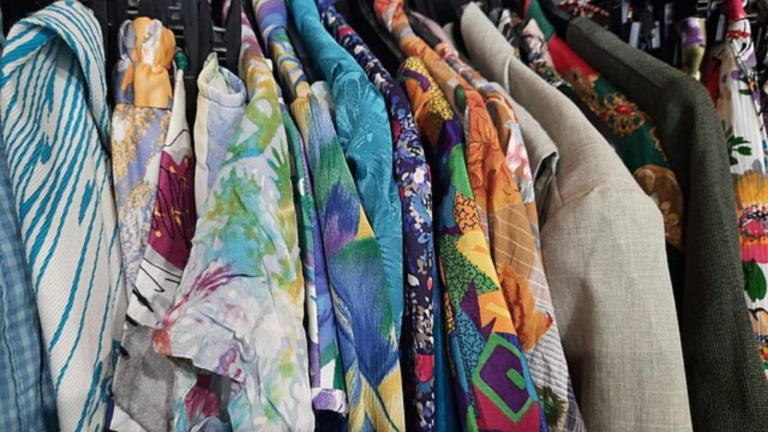
Small washable stains might be overlooked, but clothing covered in grease, bleach spots, permanent stains, or heavy discoloration rarely makes it to the rack. Most thrift stores simply don’t have the time or resources to restore clothing before selling it.
Clothing With Strong Odors
Smoke, mildew, pet odors, or heavy perfume can be nearly impossible to remove completely. If an item has a noticeable smell, many stores decide it’s not worth the effort and remove it during sorting.
Torn or Excessively Worn Clothing
Shirts with holes, jeans with blown-out seams, stretched-out sweaters, or clothing with broken zippers and missing buttons often end up in the reject pile. While some textiles are recycled, many pieces that are too worn to wear are simply thrown away.
Related: 12 Clothing Items People Wish They Never Donated
Opened Personal Care Products
Used makeup, lotions, shampoo, deodorant, perfumes, and other personal care products are generally not resold for health and safety reasons. Even if the container is almost full, most stores have no choice but to dispose of it.
Broken Kitchenware
Cracked plates, chipped mugs, broken glassware, and damaged cookware are common donations that rarely make it onto store shelves. If someone could be injured using an item, thrift stores usually won’t risk selling it.
Electronics That Don’t Work
Old DVD players, printers, coffee makers, lamps, and other electronics often arrive without being tested first. If they don’t power on, are missing essential parts, or appear damaged, many stores choose to recycle or discard them instead.
Related: 12 Electronics You Probably Owned That Are Vintage Today
Used Mattresses
Most thrift stores won’t accept used mattresses because of sanitation concerns and the risk of bed bugs. In many areas, regulations also make reselling used mattresses difficult or impossible.
Worn-Out Pillows and Bedding
Old pillows, stained comforters, ripped blankets, and heavily used bedding are another category that frequently gets thrown away. Hygiene concerns make these difficult to resell unless they’re exceptionally clean and in excellent condition.
Damaged Books
Books with water damage, mold, missing pages, heavy writing, or broken bindings often don’t survive the sorting process. While some may be recycled, those in poor condition usually never make it to the bookshelf.
Related: Say What? People are Freezing their thrifted books
Broken Toys
Toys with missing pieces, broken parts, loose batteries, or safety concerns rarely make the cut. Since many donated toys are intended for children, thrift stores have to be especially cautious about what they put on the sales floor.
Dirty or Unsafe Baby Equipment
Car seats, cribs, walkers, and baby swings often have strict safety standards and recall concerns. If workers can’t verify that an item meets current safety guidelines, it usually won’t be resold.
Furniture With Pest Damage
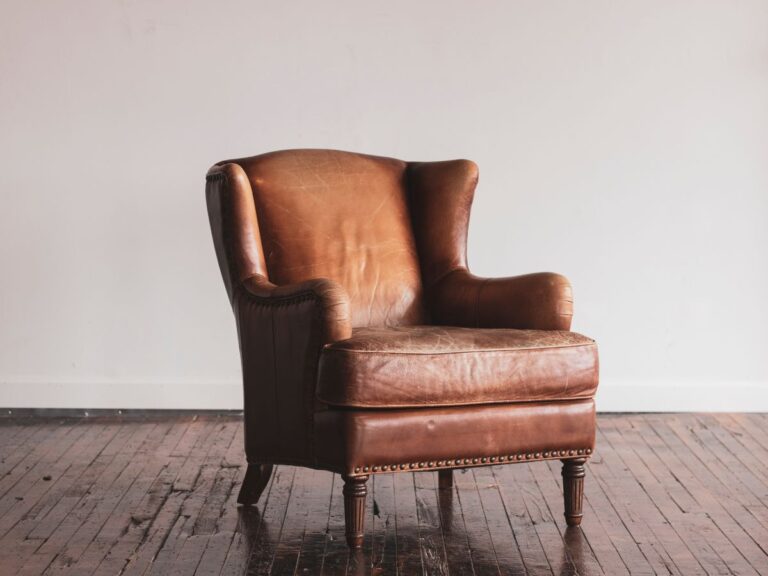
Furniture that shows signs of bed bugs, termites, mold, rodent damage, or heavy pet odors is almost always rejected. One contaminated piece can create a much larger problem inside the store or warehouse.
Boxes of Miscellaneous Junk
One of the biggest surprises for thrift store workers is how often donation boxes contain broken household items, random cords, expired products, old paperwork, or things that clearly belong in the trash. Sorting through these boxes takes valuable time, and much of what’s inside ends up being thrown away immediately.