I’m a big fan of thrifted books. They’re one of the things I always look for when I’m browsing a thrift store, used bookstore, or even a little sidewalk library.
So when I first heard that people were freezing their thrifted books, I was confused.
It sounded dramatic, maybe even a little unnecessary. Books go on shelves, not in freezers. But the more I paid attention, especially after seeing the idea pop up on TikTok and BookTok, the more it started to make sense.
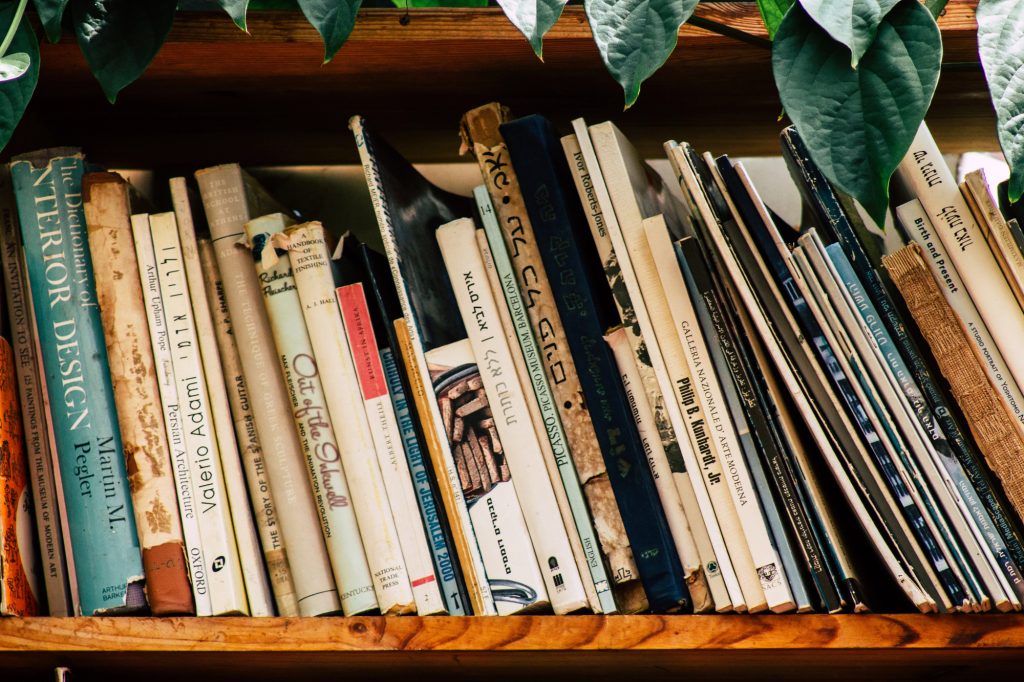
Part of the joy of buying secondhand books is the surprise. You never know what you’ll find: an old hardcover with handwritten notes in the margins, a forgotten paperback you didn’t know you needed, or a coffee-table book that feels far more special than its price tag. What you don’t expect is that those books might come with a little extra history you didn’t bargain for, such as bugs.
Why People Are Freezing Thrifted Books
Books are made from materials such as paper, glue, cardboard, cloth, and sometimes leather. When books are stored in basements, garages, outdoor free libraries, or in humid climates, they can quietly harbor pests like booklice, silverfish, or even bedbugs, none of which are easy to spot during a quick flip-through at a thrift store.
Freezing is a simple way people are dealing with that uncertainty before the books join the rest of their collection.
How TikTok Put This on Everyone’s Radar
Many readers say they learned about freezing thrifted books on TikTok, especially through BookTok creators who regularly share secondhand finds. Short videos showing books sealed in plastic bags and placed in freezers sparked confusion, jokes, and plenty of questions.
But mixed in with the reactions were stories from people who learned the hard way, skipping the step once, then wishing they hadn’t. For some, freezing books has become as routine as washing thrifted clothes before wearing them.
@justbianca96 Freezing thrifted books might sound a little crazy 😅 but it’s my favorite mom hack! Keeps them clean, fresh, and ready for my little ones to enjoy 📚💛 #MomHack #ToddlerMom #PreschoolMom #ThriftedFinds #MomTips ♬ original sound – justbianca96
How the Freezer Method Works
Most people seal books in a plastic bag, place them in the freezer for about 48 hours, and let them thaw slowly while still sealed. The cold kills most insects and larvae, helping prevent them from spreading to shelves, furniture, or other books.
It’s not about cleaning the book or changing it; it’s simply a preventative step.
When Freezing Isn’t a Good Idea
Not every book should go in the freezer. Fragile antiques, rare editions, or books with delicate bindings can be damaged by temperature changes or condensation. Those are better handled with professional care.
Freezing also doesn’t solve mold problems. Cold temperatures can pause mold growth, but they don’t remove it. Mold requires careful cleaning and proper storage.
Why People Keep Doing It Anyway
For people who love thrifted books, freezing isn’t about paranoia; it’s about preservation. As more readers discover secondhand books through thrift stores, sidewalk libraries, and social media recommendations, this small step helps protect the rest of their collection.