There was a time when walking out the front door meant you were on your own until you got back home. No texting to say you were running late. No quick phone call from your pocket. If you wanted to reach someone, you had to find a phone first.
A few days ago, I was walking through the University of California, Berkeley campus when I spotted something I hadn’t seen in years, a working pay phone. It wasn’t there as a display or a piece of history. It actually worked. Seeing it stopped me in my tracks because these days they’re almost impossible to find.
For years, though, pay phones were part of everyday life. You saw them outside grocery stores, at gas stations, in airports, and on busy street corners. Looking back, there are plenty of things about using them that people today would probably find hard to believe.
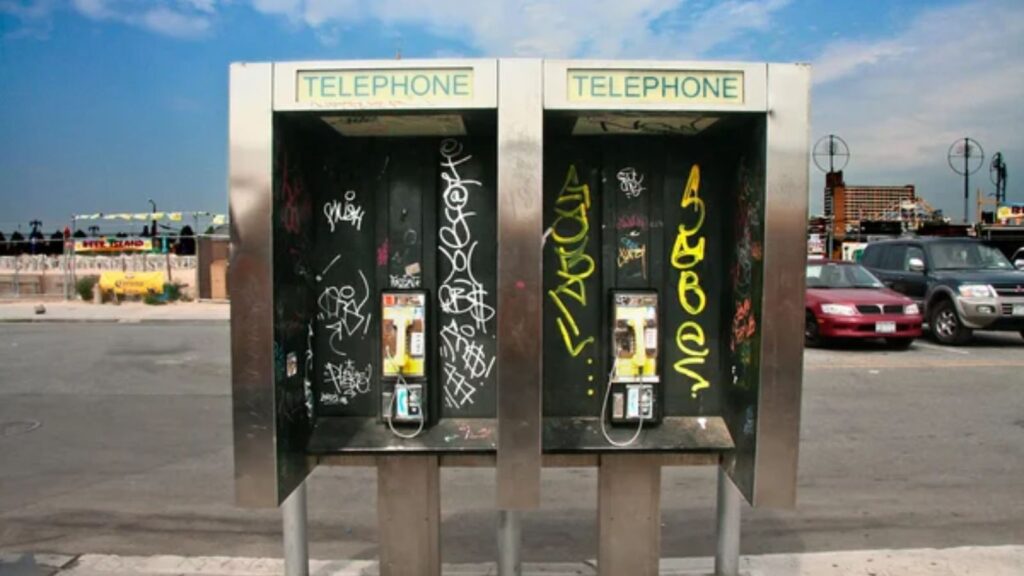
Stepping Into a Phone Booth
Finding a phone booth felt like finding a little pocket of privacy. You could close the door, block out some of the noise around you, and have a conversation without everyone nearby hearing every word. It wasn’t perfect, but it felt like your own space for a few minutes.
Related: 15 Things Walmart Won’t Accept as Returns
Calling Home Was Expected
Parents expected to hear from you if you were going to be late. Whether you were at the mall, the movies, or hanging out with friends, finding a pay phone and checking in was simply part of the day. Most kids didn’t think twice about it.
Related: 15 Hacks to Make Your Morning Routine More Efficient
Keeping Quarters in Your Pocket
Loose change actually mattered. Many people left the house with a couple of quarters tucked into a pocket, purse, or glove compartment, just in case they needed to make a call. Those coins were a small safety net long before cell phones came along.
Memorizing Phone Numbers
You didn’t have a contact list to scroll through. You memorized the numbers that mattered, your house, your best friend’s home, your grandparents, and maybe your parents’ work numbers too. Forgetting a number usually meant waiting until you got home.
Related: 16 Valuable Quarters That Collectors Are Willing to Pay Good Money For
Racing Against the Clock
Pay phone calls weren’t endless. As your time ran out, you listened for the warning that told you the call was about to end. If you wanted to keep talking, you had to feed the phone another coin before the connection disappeared.
Waiting Your Turn
If someone else was already using the phone, there wasn’t much you could do except wait. Sometimes a short line would form, and everyone quietly took their turn. It was just part of using a public phone.
Hearing the Coins Drop
There was something satisfying about hearing your coins fall into the machine. It meant the call was connected, and for a brief moment, everything worked exactly the way it was supposed to. It’s a small detail that’s easy to forget until you hear that sound again.
Related: 17 Rare Quarters Worth Some Serious Money
Knowing Which Phones Worked Best
Anyone who regularly used pay phones knew there were good ones and bad ones. Some were cleaner, some were less likely to be out of order, and others offered a little more privacy. After a while, you remembered exactly where the reliable ones were.
Calls Were Worth Making
Since every call took a little effort and usually cost money, people didn’t pick up the phone for every little thought. Conversations stayed fairly short, and most people got straight to the point. Every call had a reason.
Help Was Never Too Far Away
One of the best things about pay phones was knowing there was almost always one nearby if something went wrong. Many allowed emergency calls without payment, making them a dependable lifeline during accidents, car trouble, or other unexpected situations. Before everyone carried a cell phone, that brought a lot of peace of mind.