For years, I ordered from Amazon without giving it much thought. If I needed a phone charger, a few storage bins, or a kitchen gadget I spotted while scrolling late at night, I added it to my cart and waited for the package to arrive.
Prime shipping made it even easier to shop that way. I could order something in a few minutes and have it at my door within a couple of days.
My shopping habits started to change after I discovered Amazon return bin stores. I had assumed they were full of broken products and unwanted junk, but my visits turned up plenty of unopened merchandise, overstock items, and usable products selling for a small part of their original prices.
Now, before ordering certain household items online, I sometimes stop by a local bin store to see what’s available.
What Are Amazon Return Bin Stores?
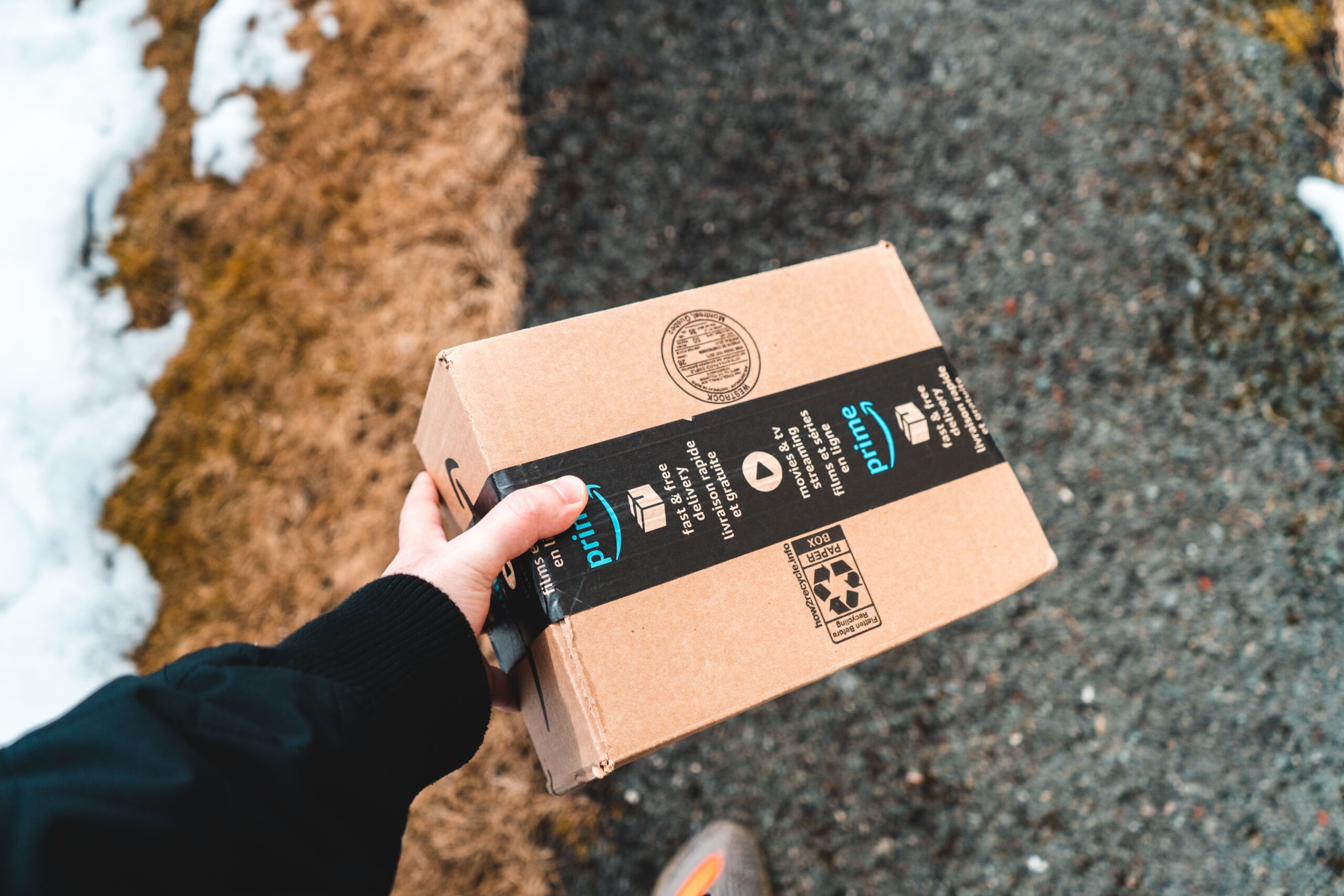
Amazon bin stores sell liquidation merchandise bought in large lots from retailers such as Amazon, Target, Walmart, and other major chains. The inventory can include customer returns, overstock, and products that didn’t sell through regular retail stores.
Rather than placing everything on neatly arranged shelves, these stores usually fill large bins with merchandise for shoppers to sort through. You might find kitchen utensils beside Bluetooth speakers, pet supplies, beauty products, office supplies, phone accessories, and small appliances.
Shopping there feels a bit like a discount store mixed with a treasure hunt. You won’t know what’s available until you start looking through the bins.
The Pricing System Makes Things Interesting
Many bin stores follow a pricing schedule that changes throughout the week. On restock day, an item might cost $10 or $12, regardless of its original retail price, with prices dropping each day afterward.
By the end of the week, some stores may have reduced nearly everything to a dollar or two. The trade-off is that shoppers who wait for the lowest prices have fewer options.
I’ve caught myself debating whether to pay $8 for something I want or wait a few days and hope it’s still there for $2. Another shopper might take it before the next markdown.
Some of the Prices Are Hard to Believe
On my first visit, I expected to see mostly cheap products that weren’t particularly useful. Instead, I came across unopened storage containers, headphones, organizers, pet supplies, phone accessories, and kitchen gadgets that looked almost new.
Of course, not everything is worth buying, so it’s important to check the item before putting it in your cart. Still, finding a product that normally sells online for $40 sitting in a bin for $6 makes you think twice about paying full price.
Related: One Simple Thrift Store Habit That Can Lead to Unexpected Finds
Shopping There Feels Completely Different
Bin-store shopping is nothing like walking through a regular retail store. Instead of browsing organized shelves, you’re usually standing over large bins, moving merchandise around, and checking items one by one.
Restock days can get busy, with shoppers moving quickly and popular finds disappearing fast. It took me a few visits to get used to the experience, but now I enjoy looking through everything.
Many people are simply hoping to find useful products without spending too much. For families watching their budgets, getting something they already needed for a few dollars can be a welcome break from regular retail prices.
Related: Grocery Shopping Hacks That People Say Actually Work
You Never Know What You’ll Find
That’s one of the biggest differences between shopping online and visiting a bin store. If I search Amazon for a phone charger, I know what will appear, but at a bin store, I might find a charger, a storage organizer, a kitchen tool, a dog toy, or something I hadn’t thought to buy.
Some visits are uneventful, and I leave without purchasing anything. Other trips turn up useful items such as cleaning supplies, organizers, kitchen storage, batteries, and small household gadgets I would have ordered online.
Every now and then, I also come across something so random that I wonder why the original buyer sent it back. Those unexpected finds are part of what keeps me checking the bins.
Some Items Have a Catch
These products ended up in liquidation for a reason, so don’t assume everything is in perfect condition. Some are customer returns with torn packaging, missing cords, opened seals, or signs that someone has already used them.
I’ve also come across items that didn’t work at all. Before buying anything, I check for cracks, missing parts, damaged packaging, and other problems that could make the purchase a waste of money.
It helps to remember that bin stores don’t offer the same shopping experience as regular retailers. You’re giving up some convenience in exchange for the chance to pay much less.
It Has Made Me Buy Less Online
The biggest change for me isn’t just the money I’ve saved. Visiting bin stores made me realize how often I used to order things simply because buying online was so easy.
I’d spot something I thought I needed, click a few buttons, and forget about it until the package arrived. Now, if I don’t need an item right away, I sometimes wait and check a local bin store first.
I might find the exact product, something similar, or nothing worth buying that day. Either way, waiting has made me think more carefully before placing another order.
I Still Shop on Amazon
I haven’t stopped ordering from Amazon, and I probably won’t. I still prefer to buy plenty of items online, especially products I need quickly or when I want a particular brand, size, or model.
My visits to bin stores have simply changed how I think about shopping. I no longer assume Amazon will always have the lowest price, since the same product or a similar one might turn up at a local liquidation store for much less.
After finding a few good deals in those bins, I check what’s available locally before clicking the “Buy Now” button.