Decluttering usually starts with one goal: get the stuff out of the house. You start filling bags, making donation piles, and finally dealing with those boxes that have been sitting untouched for years. But in the rush to clear everything out, it’s surprisingly easy to get rid of something you probably should have taken a closer look at first.
That old jewelry tangled in the back of a drawer, the dishes collecting dust in the attic, or even the books you haven’t opened in decades could be worth more than you realize. Valuable items are sometimes discovered in exactly the places most of us would consider clutter.
So before the next donation run or worse, tossing everything into the trash, there are a few places around your home worth checking carefully.
Start With the Junk Drawers and Jewelry Boxes
Junk drawers have a way of becoming the final resting place for anything we don’t know what to do with. Jewelry boxes aren’t much different, especially when they contain pieces inherited from relatives or jewelry we haven’t worn in years.
Items such as antique rings, gold chains, and diamond brooches can easily be overlooked during a cleanout.
Don’t automatically dismiss something because it’s tarnished, broken, old-fashioned, or not your style. If you don’t know what it is, put it aside until you can do a little research.
Take a Second Look at What’s in the Attic and Garage
If something has been sitting in the attic, garage, basement, or shed for 20 years, it’s tempting to assume nobody wants it. But these are exactly the places where forgotten valuables can turn up.
Antique furniture, decorative art, ceramics, glassware, and old clocks are among the household items that can end up being worth considerably more than their owners expected.
Inherited items deserve particular attention. If you don’t know where something came from or how old it is, don’t let the fact that it’s been gathering dust determine whether it’s valuable.
Check Inside Old Furniture
Before dragging an old dresser or sideboard to the curb, empty it completely and then look again.
Check underneath and behind drawers, beneath liners, inside unusual compartments, and under anything left behind. Dawsons specifically recommends checking the bottoms of drawers and looking beneath items such as placemats and napkins.
There’s good reason for it. A homeowner in Missouri City, Texas, reportedly purchased a secondhand dresser from an estate sale and later discovered a hidden compartment containing gold jewelry, diamonds, coins, and family heirlooms worth thousands of dollars.
You probably won’t find a stash of diamonds in Grandma’s dresser, but it takes only a few minutes to check.
Flip Through Books Before Donating Them
If you’re clearing several shelves of books, don’t immediately box them up.
People have long used books as makeshift hiding places for cash, photographs, letters, and other keepsakes. Check between the covers and pages, particularly with older cloth-bound books and books still wearing their original dust jackets.
The book itself could also be worth researching. First editions, including some paperbacks, can have value, so an unusual or particularly old book deserves a quick search before it joins the donation pile.
Don’t Assume Old Papers Are Trash
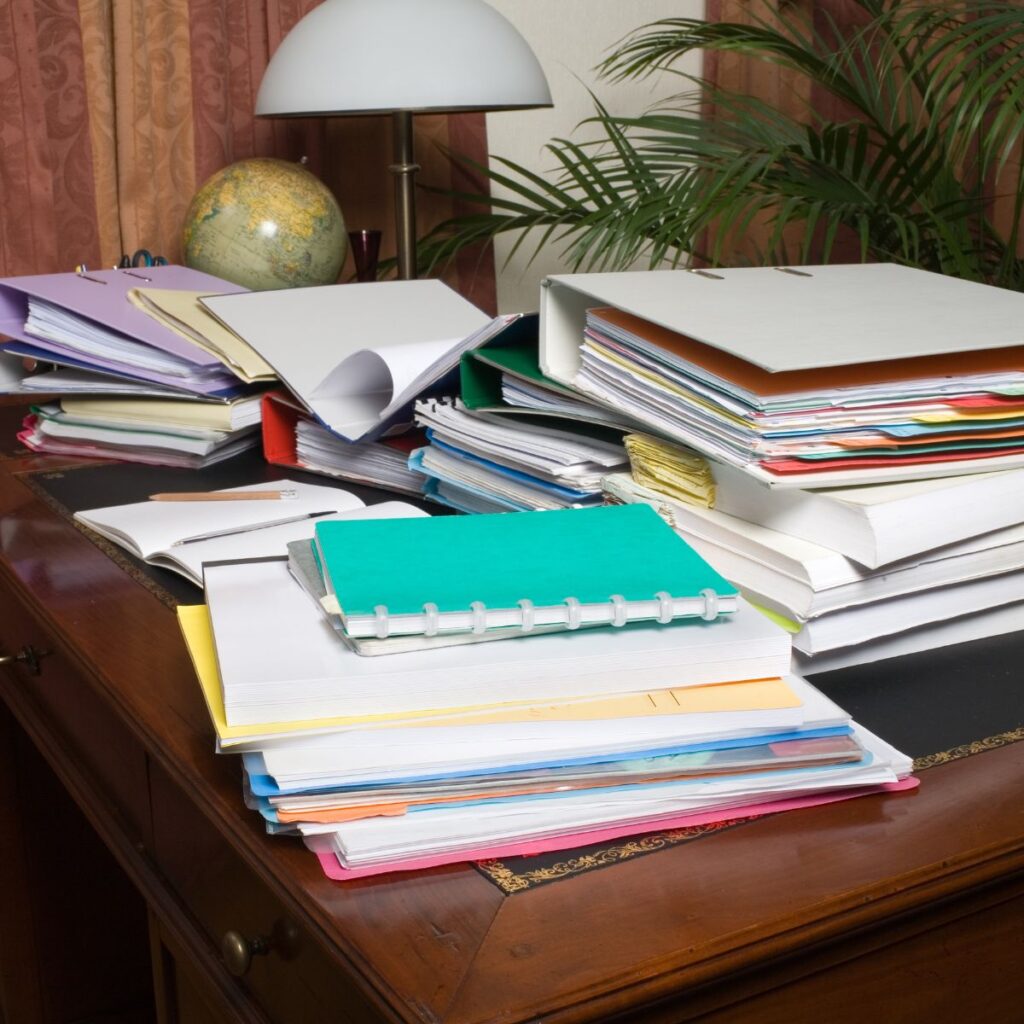
Old letters, postcards, photographs, documents, and other pieces of paper can look like clutter when you’re trying to clear a house quickly.
Jonathan Pratt, managing director of Dawsons Auctioneers, recommends paying particular attention to correspondence with loved ones, wartime letters, historical documents, medals, and related objects.
This is one category where being overly aggressive with decluttering can really backfire. Once family history ends up in the recycling bin, there’s no getting it back.
Create a “research later” box for anything you aren’t sure about. You can keep decluttering without making a permanent decision in the moment.
Don’t Rush to Sell Something Either
Finding something interesting doesn’t mean you should immediately throw it on Facebook Marketplace for $20 just to get it out of the house. Selling an item quickly for convenience can mean receiving far less than its actual market value.
If you uncover old jewelry, artwork, antiques, watches, collectibles, or anything else that seems unusual, research it before deciding on a price. For something potentially significant, getting a professional valuation may be worth the extra effort.
Be Realistic About What You Actually Need to Keep
Checking for valuables doesn’t mean finding an excuse to keep every item in the house. Think about what clutter actually means: belongings you’re keeping that no longer add value to your life.
That includes things you’re saving for someone else. If you’ve been holding onto dishes, furniture, collectibles, or other belongings because you plan to pass them down someday, ask the intended recipient whether they actually want them. Their answer might make your decision much easier.
For clothes, there’s also a simple trick: turn all of your hangers backward. Each time you wear something, return the hanger normally. After several months, you’ll have a pretty clear picture of what you’re actually wearing.
Sell, Donate or Swap Before Throwing Things Away
Once you’re confident something isn’t valuable, throwing it away still doesn’t have to be the first option.
Usable belongings can be sold, donated, given away through community groups, or swapped with friends and neighbors. Even items with little resale value may be useful to someone else.
And when you’re unsure about an item, technology can make that initial research much easier. Google Lens, for example, can help identify an unfamiliar object and find similar items online. It’s not the same as getting a professional appraisal, but it can help you recognize when something deserves further investigation.