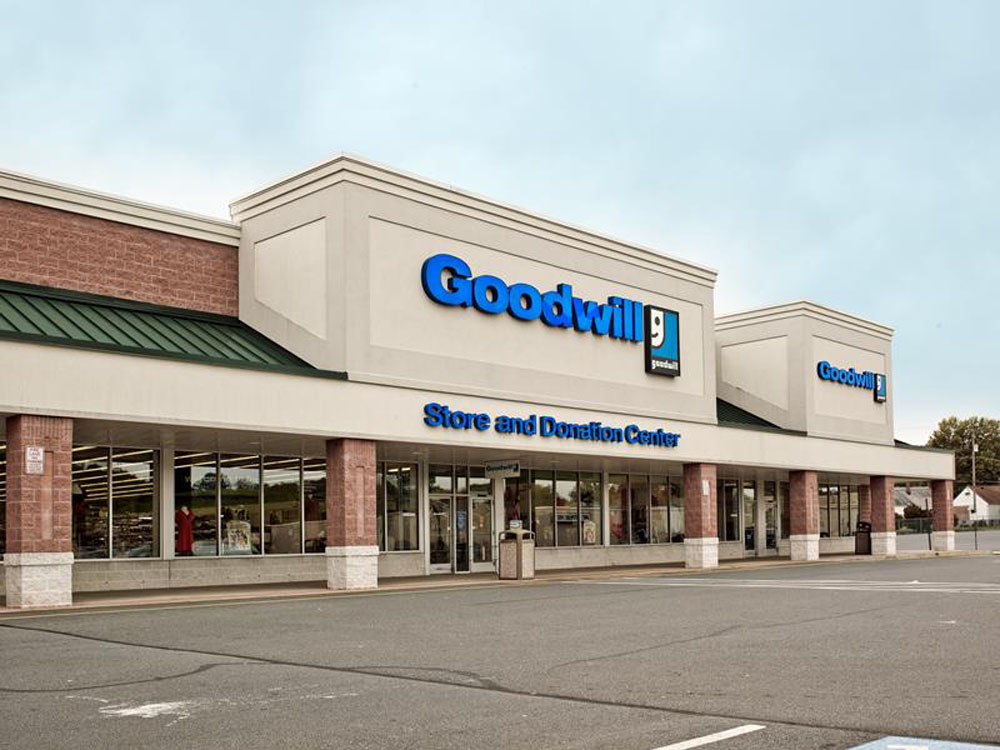
When you’re clearing out the house, it’s tempting to put anything you no longer want into a donation box and let Goodwill figure out the rest. But some belongings aren’t good candidates for a thrift store at all, and dropping them off can simply pass the problem of disposing of them to someone else.
Goodwill’s own donation guidance tells donors not to bring broken or soiled goods, recalled products, or items that don’t meet current safety standards. It also recommends testing electronics and checking with your local organization because individual locations have different acceptance policies.
Before your next donation run, take another look through the pile. These 15 things may have a better destination.
Broken Electronics
A television that won’t turn on or a coffee maker that stopped working years ago isn’t automatically useful because someone might be able to fix it. Look for an electronics recycling program instead of leaving obviously broken equipment at a donation center.
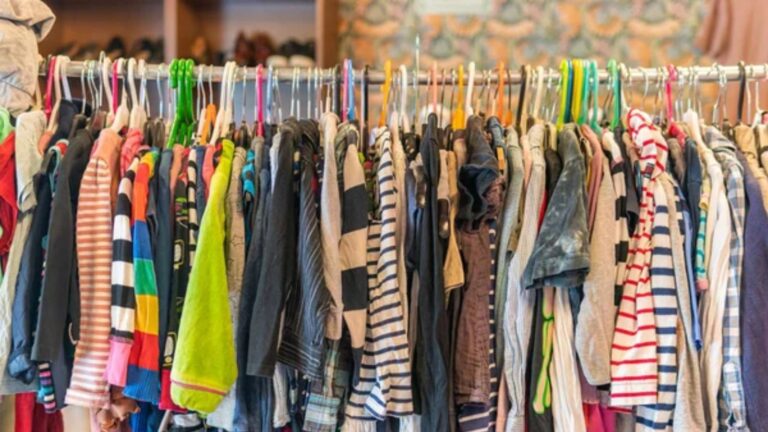
Heavily Stained Clothing
A small amount of wear is expected with secondhand clothing, but large stains, strong odors, mildew, and badly damaged fabric are different. Check whether textile recycling is available in your area for clothing that’s no longer wearable.
Recalled Baby Gear
Old high chairs, strollers, cribs, and other children’s products deserve an extra safety check before they’re passed along. If something has been recalled or no longer meets current safety standards, it shouldn’t simply be handed down to another family.
Used Car Seats
Car seats have expiration dates and can be unsafe after certain accidents, and their history isn’t always obvious when they’re donated. A manufacturer recycling program or retailer trade-in event may be a better destination for one you no longer need.
Hazardous Household Chemicals
Old paint thinner, pesticides, automotive fluids, chemicals, and other hazardous materials don’t belong in an ordinary donation pile. Your local household hazardous-waste program is generally better equipped to handle these products safely.
Old Mattresses
Before wrestling a mattress into the back of your vehicle, call ahead. Goodwill says donation rules vary by location and specifically notes that many local Goodwill organizations don’t accept mattresses.
Broken Furniture
There’s a big difference between a dresser with a few scratches and a chair with a broken leg or a sofa with severe stains. Furniture that’s structurally unsafe or badly damaged may be better suited for repair, recycling, or bulky-item disposal.
Incomplete Board Games
If Monopoly is missing half its money and the Scrabble box has 20 tiles left, you’re probably not giving the next shopper much of a bargain. Goodwill specifically recommends including all pieces and parts when donating children’s games and toys.
Used Personal-Care Products
Half-used bottles of lotion, opened cosmetics, old razors, and other personal-care products generally aren’t things most people want to buy secondhand. Use up what you can and check local disposal guidance for everything else.
Severely Damaged Shoes
Gently worn shoes can absolutely deserve another life, but pairs with holes, separating soles, mold, or significant damage are another matter. Textile or shoe recycling programs may be able to make better use of pairs that aren’t realistically wearable anymore.
Building Materials
Leftover flooring, broken tile, plumbing fixtures, lumber, and renovation scraps can quickly accumulate after a home project. Rather than assuming a traditional thrift store wants them, look for a building-material reuse organization such as a local Habitat for Humanity ReStore.
Large Appliances
Refrigerators, washing machines, dryers, and other major appliances require considerable space and can be difficult for ordinary thrift stores to handle. Appliance recycling programs, utility-company programs, or organizations specializing in large household goods may be better options.
Related: Don’t Rent a Dumpster Yet—ReStore May Pick Up Your Old Cabinets and Building Materials for Free
Medical Equipment
Walkers, shower chairs, braces, and other medical equipment aren’t always straightforward donations because sanitation, safety, and acceptance requirements vary. Look for a medical-equipment reuse program in your community or confirm that your local donation center accepts the specific item first.
Anything With Mold or Pest Damage
A piece of furniture or clothing may have once been expensive, but mold, bedbugs, or other infestations change the equation completely. Don’t risk introducing the problem into a donation center or someone else’s home simply to keep the item out of your trash.
Things That Have Reached the End of Their Life
Sometimes an item isn’t a donation anymore; it’s simply worn out. A cracked plastic bin, broken lamp, badly damaged chair, or filthy rug shouldn’t become someone else’s responsibility because throwing it away feels wasteful.