Thrift shopping can be one of the best ways to save money and find things you simply won’t see in regular stores. But a low price doesn’t automatically make something a good buy, and a few common mistakes can leave you with clothes that don’t fit, broken items, or a cart full of things you never really wanted.
Here are 10 things you should never do at a thrift store.
Skip Inspecting an Item
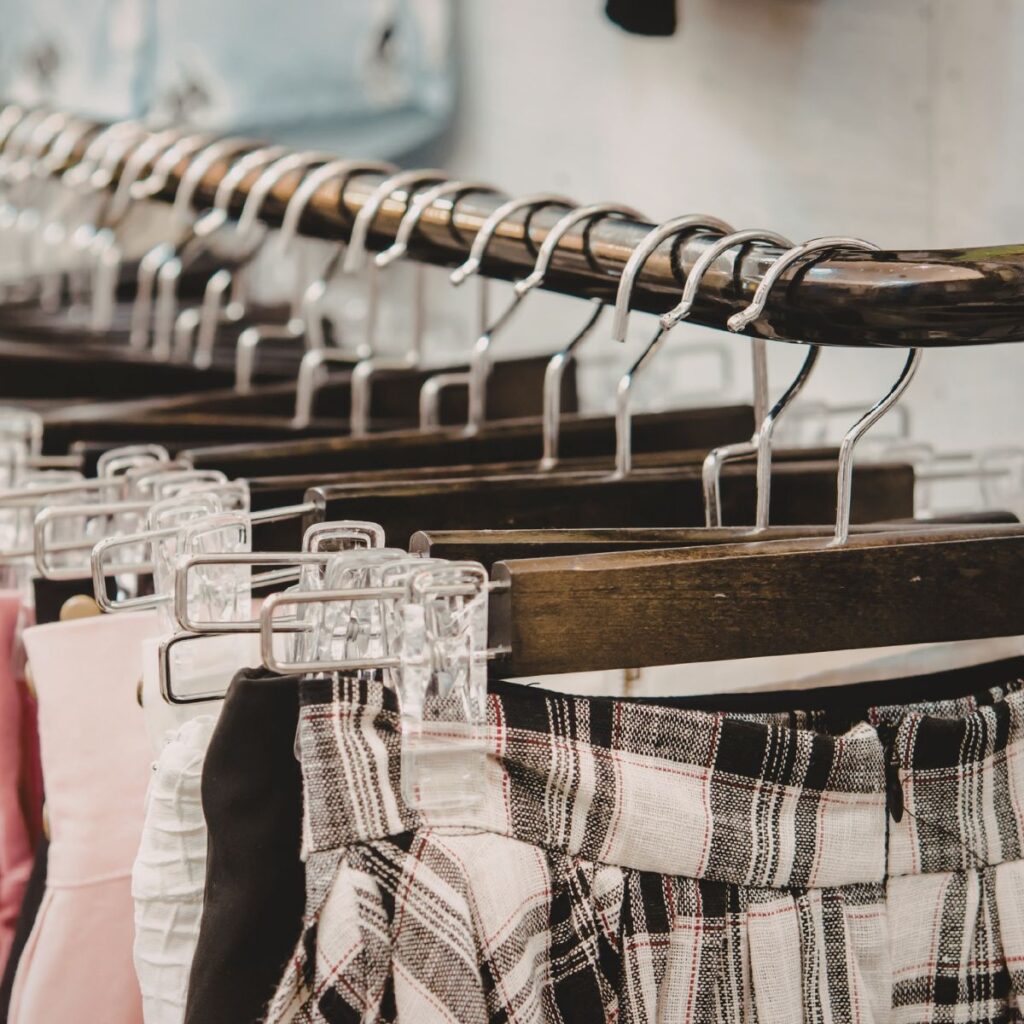
Never assume something is in good condition simply because it made it onto the sales floor. Check clothing for stains, holes, worn seams, and broken zippers, and look over furniture and household items for cracks, missing pieces, or damage that could make them more trouble than they’re worth.
Assume You Can Return It
Thrift store return policies can be much stricter than what you’re used to at traditional retailers, and some purchases may be final sale. Check the policy before paying, especially when buying electronics, furniture, higher-priced items, or anything you aren’t completely sure about.
Ignore the Small Flaws
A missing button or tiny scuff might be an easy fix, but several small problems can quickly turn a bargain into a project. Look closely at hems, hardware, handles, closures, stains, and other details before deciding whether the item is actually worth bringing home.
Buy Something Just Because It’s Trending
Finding a trendy piece secondhand can feel like hitting the jackpot, but that doesn’t mean you need it. If you wouldn’t normally wear it, use it, or decorate with it, it will likely end up right back at the thrift store.
Trust the Size on the Tag
Secondhand clothing may have been washed, altered, or made decades ago when sizing standards were different, so the number on the label only tells you so much. Try clothing on whenever possible, or compare it with your measurements before buying.
Assume the Price Is Always a Good Deal
Thrift stores aren’t automatically cheaper, especially now that some locations price recognizable brands, vintage pieces, and collectibles higher. A quick online search can tell you whether that $25 thrifted item actually costs $30 brand-new or whether you’ve stumbled across something genuinely valuable.
Haggle Over Everything
It’s worth politely asking about a discount when something is noticeably damaged, but don’t assume every thrift store negotiates prices. Many chains have fixed pricing policies, so constantly trying to bargain over already inexpensive items can waste your time and the employee’s.
Fill Your Cart Just Because Things Are Cheap
This is one of the easiest thrift store traps to fall into because $3 and $5 purchases don’t feel like much individually. Before checking out, go through your cart again and ask yourself whether you actually want each item or were simply excited by the price.
Bring Everything Straight Into Your Home
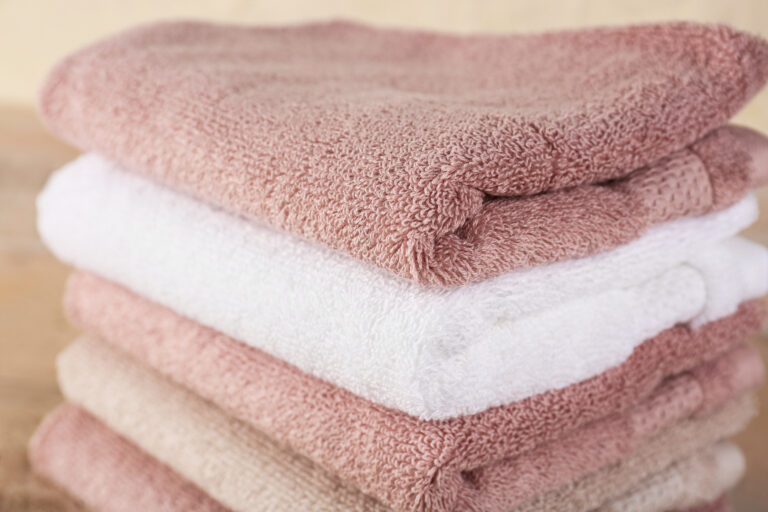
Secondhand clothing, linens, furniture and household goods should get a proper cleaning before being put away or used. Wash what you can, wipe down hard surfaces, and inspect items carefully before bringing them into your closets, bedrooms, and living spaces.
Rush Through the Store
Some of the best thrift finds are buried behind regular items, on bottom shelves, at the top of racks, or mixed into racks that initially look like a bust. Give yourself enough time to look carefully, check sections you normally skip, and circle back through promising aisles; you never know what someone may have put back while you were shopping.