
We don’t always think of our homes as affecting our mood. They’re just the places where life happens, where we wake up tired, drink coffee too slowly, fold laundry, and try to unwind at the end of the day. But over time, the rooms we live in start to speak back to us.
Sometimes a space feels calm without you knowing why. Other times, it feels unsettled, even when nothing obvious is wrong. That usually isn’t a coincidence. Small details, light, color, texture, and clutter can shape how we feel more than we realize.
Here are a few subtle ways your home decor may be influencing your mood, often without asking permission.
Color Sets the Background Mood
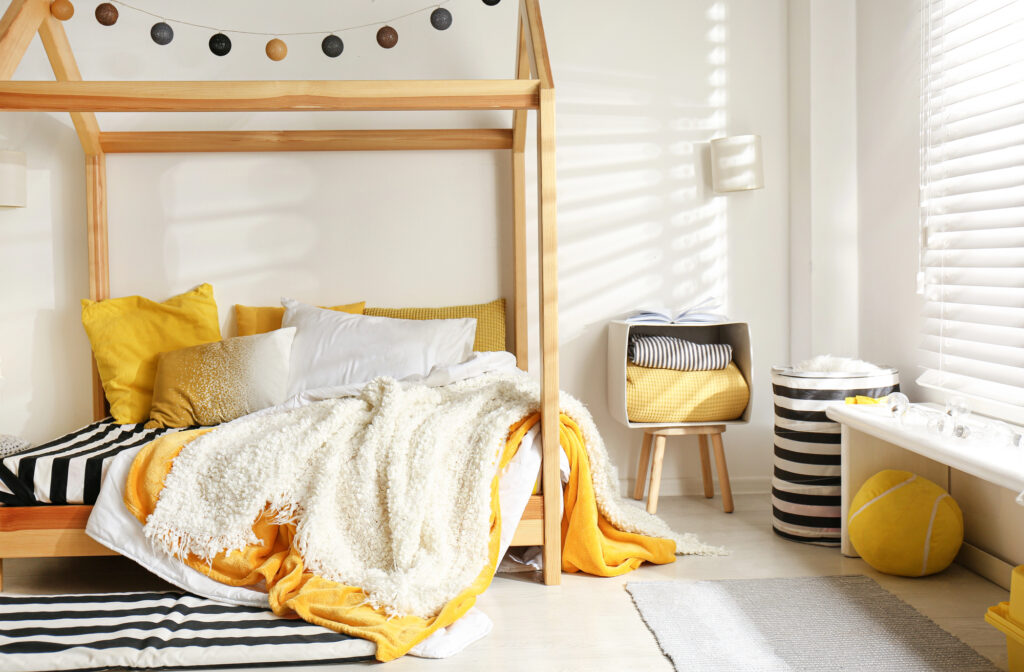
Colors quietly influence how a room feels the moment you walk in. Soft blues and greens tend to slow things down, while warmer tones like terracotta or muted yellow can feel comforting and grounded. Bright, high-energy colors can be motivating, but too many can feel overwhelming.
Natural Light Changes Everything
Rooms filled with natural light tend to feel easier to be in. Sunlight helps regulate sleep, lifts energy, and makes spaces feel more open. When light is limited, small adjustments such as sheer curtains, mirrors, or warmer bulbs can soften the effect.
Clutter Adds Invisible Noise
Clutter doesn’t just take up physical space. It takes up mental space, too. When surfaces are crowded, it can be hard to relax, even if you don’t consciously register why. A home doesn’t need to be minimal, but it does benefit from breathing room.
Scent Is Tied to Memory
Smell reaches us faster than sight. Certain scents can calm the nervous system, while others energize or comfort. A familiar candle, fresh air through an open window, or herbs from the kitchen can quietly shift a room’s mood.
Texture Creates Comfort
Soft fabrics, natural fibers, and layered textures make rooms feel welcoming. Rugs, throws, and linen curtains don’t just decorate a space; they define it. They soften it and make it easier to settle in.
Furniture Layout Affects Ease
Rooms that are hard to move through can feel tense. A layout that allows for easy walking, sitting, and conversation helps a space feel calmer and more functional. Good flow isn’t about perfection. It’s about removing friction.
Personal Items Create Belonging
Photos, artwork, and meaningful objects ground a space in real life. They remind you who you are and where you’ve been. A home feels better when it reflects real memories, not just good taste.

Plants Bring Quiet Stability
Plants add more than color. They bring softness, rhythm, and a sense of care. Even one plant can shift the tone of a room, making it feel more alive and less static.
Art Sets Emotional Tone
The art you live with becomes part of your emotional backdrop. Whether it’s calming, nostalgic, or playful, it influences how a space feels over time. Choose pieces that feel good to look at every day.
Lighting Shapes How You Wind Down
Harsh overhead lighting can make a space feel unfinished. Soft, layered lighting lamps, warm bulbs, and dimmers help rooms feel calmer, especially at night.
Sound Affects How a Space Feels
Background noise matters more than we think. Silence, soft music, or gentle ambient sounds can feel grounding, while constant noise can quietly increase tension.
Space for Rest Supports Mental Health
Even a small corner meant for rest, a chair by a window, a bedside lamp, a quiet place to read, can change how a home feels. One calm spot can make the rest of the space feel easier to be in.
Home decor isn’t about getting everything right. It’s about noticing what feels good, what feels heavy, and what you want to come home to. Sometimes the smallest changes make the biggest difference.