If you’ve spent any time gardening, you’ve probably heard the same advice repeated over and over. Friends share it, blogs repeat it, and it starts to feel like these tips are just part of the “rules” of gardening.
But the truth is, not all of that advice holds up. Some of the most common tips sound helpful, but depending on your plants, soil, or climate, they can actually do more harm than good.
Over time, I’ve learned that gardening isn’t about following every tip; it’s about understanding what actually works in your space. Here are some of those widely shared tips that don’t always deliver the results people expect.
Fertilizing Every Week
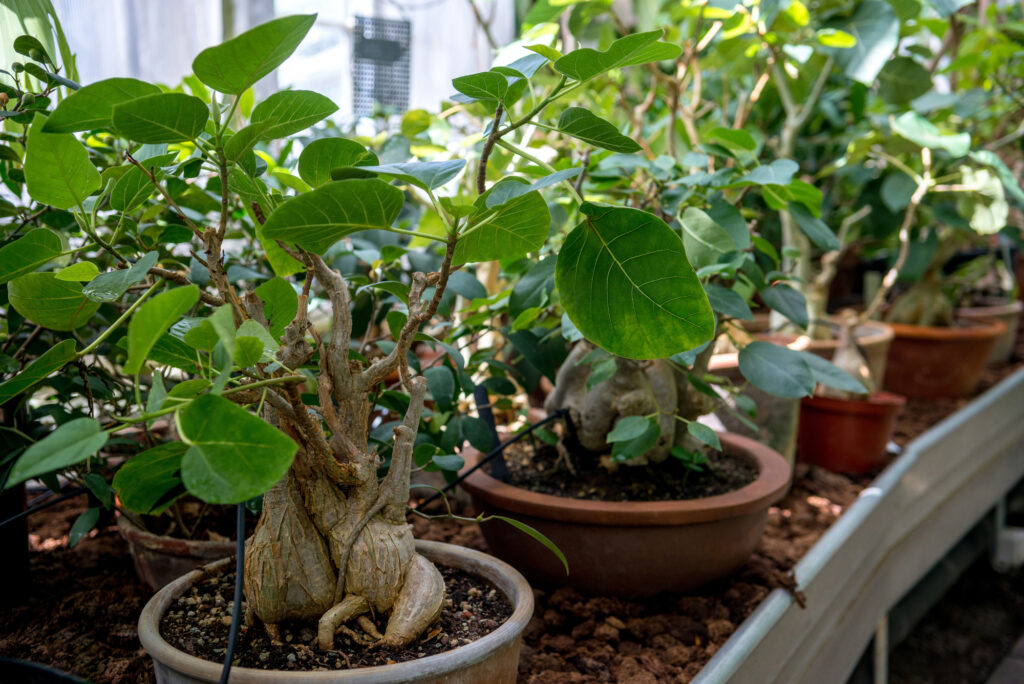
More fertilizer doesn’t always mean better results. Overfeeding can stress plants and even damage their roots.
A steady, moderate approach usually supports better long-term growth.
Giving Plants an Extra Deep Soak

It’s often said that soaking plants heavily helps roots grow deeper and stronger. In reality, too much water can overwhelm roots, especially for herbs and shallow-rooted plants.
Consistent, balanced watering tends to work better than overdoing it all at once.
Adding Gravel to the Bottom of Pots
This one sounds logical. Gravel should improve drainage, right? But it can actually trap water above the gravel layer, leaving roots sitting in soggy soil.
Using well-draining potting mix without added layers is usually the better approach.
Coffee Grounds as a Miracle Fix
Coffee grounds get a lot of hype as a natural fertilizer. While they do add nutrients, they can also alter soil acidity in ways that not all plants can handle.
They’re better used in compost rather than applied directly to most plants.
Full Sun All Day for Every Plant
More sun doesn’t always mean better growth. Some plants thrive in partial shade, and too much direct sun can stress or burn them.
Checking each plant’s needs makes a big difference in how well it grows.
Pruning Everything Early in the Season
It’s tempting to start the season by cutting everything back, but timing matters. Some plants, like flowering shrubs, can lose their blooms if pruned too early.
Understanding when each plant should be pruned is key.
Epsom Salts as a Cure-All
Epsom salts are often recommended for everything from yellow leaves to slow growth. While they can help in specific cases, they’re not a universal solution.
Using them without knowing your soil’s needs can throw off nutrient balance.
Soap Water for Any Pest Problem
Homemade soap sprays can help with certain pests, but they’re not a one-size-fits-all fix. Some mixtures can damage leaves or harm beneficial insects.
It’s better to match the solution to the specific pest you’re dealing with.
Planting Seeds Too Close Together
Packing seeds tightly might seem like a shortcut to a fuller garden, but it usually leads to overcrowding. Plants end up competing for light, water, and nutrients.
Giving them proper spacing helps them grow stronger and healthier.
Watering in the Middle of the Day
It might seem like a good idea to “cool down” plants during the hottest part of the day, but most of that water evaporates before it reaches the roots.
Watering early in the morning is far more effective.
Using Garden Soil in Containers
It’s easy to grab soil from the yard for potted plants, but it’s often too dense for containers. This can lead to poor drainage and restricted root growth.
A proper potting mix is designed to avoid those issues.
Watering the Lawn Every Day
Daily watering might keep grass looking green at first, but it can lead to shallow roots over time. Less frequent, deeper watering encourages a stronger, more resilient lawn.
Assuming “Natural” Means Safe
Natural pest control products are often seen as harmless, but that’s not always the case. Some can still damage plants or affect beneficial insects if used incorrectly.
Even natural solutions need to be used thoughtfully.
Other Topics You Might Like
- 13 Gardening Antiques Collectors Love and Often Pay Up For
- I Stopped Buying Fertilizers After Years of Gardening and Started Using This Instead
- Some of the Best Gardening Tips I Ever Got That Break All the Rules
- 9 Vintage Gardening Tools Hiding in Grandma’s Potting Shed— Some Could Be Worth a Small Fortune