A small home can start feeling crowded before you realize what happened. One more chair gets squeezed into the living room, the closet gets harder to close, and every kitchen cabinet seems packed to the point where finding one pan becomes a project.
It’s easy to assume the answer is a bigger house. But sometimes the house itself isn’t the problem. There’s simply too much stuff taking up the space you already have.
Getting rid of a few bulky or rarely used items can make a surprising difference. Rooms become easier to walk through, storage becomes more manageable, and the whole house can feel less crowded without spending money on a larger place.
Here are some of the things worth reconsidering if your home feels too small.
Oversized Furniture
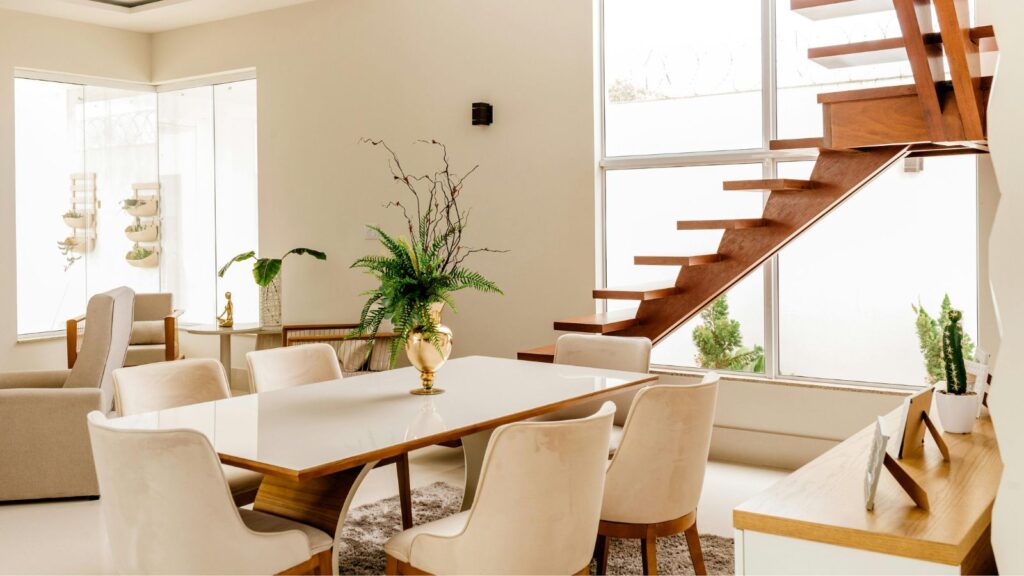
A huge sectional, bulky dresser, oversized coffee table, or heavy armoire can take over a small room. It may technically fit, but that doesn’t mean it works well in the space.
Large pieces eat into walking areas and can make a room feel closed off. Swapping them for smaller furniture, apartment-sized pieces, or designs with exposed legs can leave more floor visible and make the room feel much more open.
Related: 10 Places That Will Take Your Furniture Donations
Dining Tables That Rarely Get Used
A formal dining table can occupy a large part of a room, especially if it comes with six or eight chairs that spend most of the year sitting empty.
If your household usually eats at the kitchen counter or a smaller table, that unused dining area could serve another purpose. A folding table, expandable table, or slim console-style table can provide seating when guests come over without taking up so much room every day.
Too Many Books
Books can make a home feel personal and lived-in, but a large collection takes up a lot of physical space.
If your shelves are packed with books you haven’t opened in years, it might be time to keep the ones you genuinely love and pass the rest along. Your local library can provide plenty of reading material without requiring another bookcase at home.
For people who enjoy reading digitally, an eReader or audiobooks can also cut down on the amount of physical storage needed.
Related: How to Create the Perfect Cozy Reading Nook
Clothes That Never Get Worn
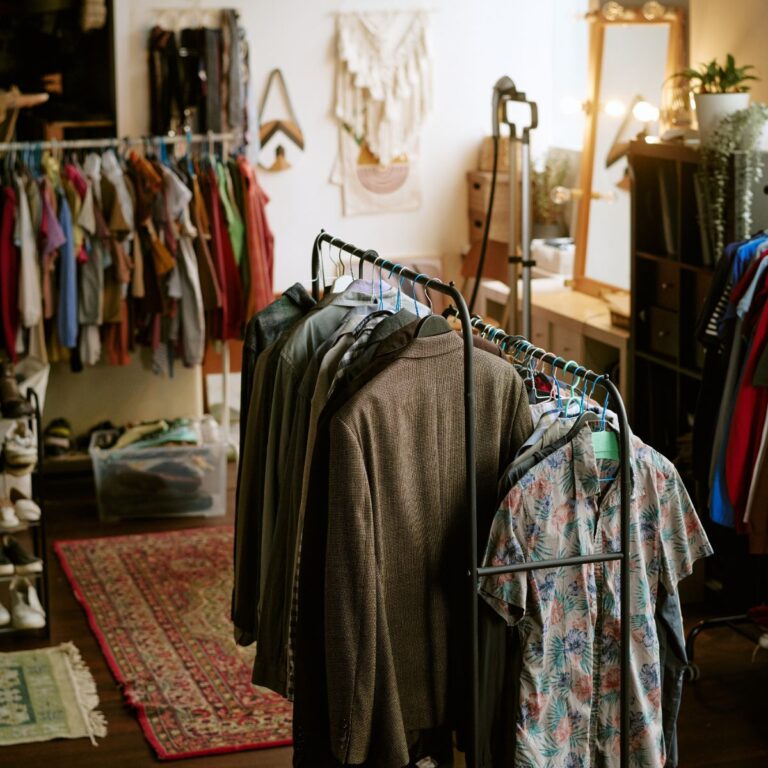
Closets have a way of filling up slowly. A shirt you might wear someday turns into ten shirts, old jeans stay around because they could fit again, and special-occasion clothes sit untouched for years.
Go through the clothes you actually wear and compare them with everything taking up space. Getting rid of things that no longer fit, don’t feel good, or haven’t been worn in years can free up a surprising amount of room.
An emptier closet also makes it much easier to see what you already own.
Extra Kitchen Gadgets
Kitchen counters and cabinets are common places for clutter to pile up. Bread makers, specialty appliances, duplicate utensils, single-purpose gadgets, and cookware you rarely use can quickly consume valuable space.
If you haven’t used something in a year or two, ask yourself whether it’s really earning its spot in the kitchen. Keeping the tools you reach for regularly can leave more room for cooking and make the kitchen easier to clean.
Coffee Tables
A coffee table can be useful, but a large one can make a small living room feel cramped. It also tends to become a landing spot for mail, remotes, cups, chargers, toys, and anything else that doesn’t have a home.
A smaller table, nesting tables, or a lightweight piece that can be moved out of the way may work better. Some living rooms may even function perfectly well without one.
Bulky Bed Frames
A large bed frame with a thick headboard, heavy base, and built-in drawers can dominate a small bedroom.
A simpler frame can leave more visible floor around the bed and make the room feel less crowded. Open space underneath the bed can also give the room a lighter appearance, while a Murphy bed or other space-saving setup can make a particularly small bedroom more flexible.
Decorative Clutter
A few decorations can make a room feel welcoming. When every shelf, counter, and tabletop is covered, the same room can start feeling crowded.
Look around and remove the pieces you don’t really care about. You don’t have to strip the room bare. Leaving some empty space between the things you love can make those pieces stand out more while giving the room some breathing room.
Related: 10 Ways to Declutter Your Home Without Feeling Overwhelmed
Exercise Equipment That Isn’t Used
That treadmill you haven’t touched in two years is still taking up the same amount of space every day.
Unused bikes, weight sets, rowing machines, benches, and other workout equipment can turn an entire corner of a home into storage. If you’re consistently not using the equipment, selling or donating it could give the room a completely different purpose.
You can always choose smaller equipment or a gym membership if that works better for your routine.
Too Many Towels and Linens
Linen closets have a habit of becoming storage areas for far more towels and bedding than a household needs.
Most people have a few favorites they use over and over. The rest sit on shelves for months or years.
Keeping a practical number of towels, sheets, blankets, and other linens can free up a lot of cabinet space. It also means you won’t have to dig through a packed closet every time you need a clean towel.
Furniture That Serves Only One Purpose
Small homes benefit from furniture that can do more than one job.
A storage ottoman can provide seating and hold blankets. A desk can double as a craft area. A dining table can become a workspace. A sleeper sofa can provide a guest bed without requiring an entire room to stay dedicated to visitors.
If you have limited square footage, replacing bulky single-use furniture with pieces that serve several purposes can make the home much easier to use.
Storage Bins Filled With “Just in Case” Items
Storage bins can make clutter look organized without actually getting rid of it.
It’s easy to put something into a container because you might need it someday, then forget about it completely. Years later, you have a stack of bins filled with things nobody has touched.
Before buying another storage container, go through the ones you already have. If you haven’t needed something for years and can’t think of a realistic reason you’ll need it soon, letting it go may be more useful than finding another place to store it.
Spare Guest Furniture
A dedicated guest room can be a luxury, but it may not make sense in a small home if overnight guests only visit a few times a year.
An entire bedroom filled with a bed, dresser, nightstands, and other furniture can take up a lot of space that sits unused most of the time. A sleeper sofa, Murphy bed, or fold-away setup can give guests somewhere comfortable to sleep without keeping an entire room dedicated to occasional visitors.
Related: Guest Bathroom Essentials Checklist
Furniture That Blocks Light and Airflow
Sometimes the problem isn’t how much furniture you own, but where you put it.
A tall cabinet in front of a window can block natural light. A large sofa can close off a walkway. An oversized entertainment center can make an entire wall feel heavy.
Try moving furniture away from windows and clearing the main walking paths. Even without getting rid of anything, opening up the sightlines can make a room feel noticeably larger.
A bigger house isn’t always the answer to a crowded home. Sometimes, a good declutter and a little rearranging can give you the extra breathing room you’ve been looking for without adding another mortgage, another room to clean, or another set of bills.